Best DSLR Camera Brands in India: Canon vs Nikon vs Sony (2026 Guide)
 May, 8 2026
DSLR Brand Matcher
Select your primary photography style and priorities to find the best DSLR brand for you.
Portraits & Weddings
People, events, skin tones matter
Landscape & Nature
Scenery, dynamic range, detail
Sports & Action
Fast movement, burst mode
Video & Hybrid
Content creation, 4K recording
Beginner / General
Learning, versatility, ease of use
Wildlife
Telephoto reach, autofocus speed
Your Recommended Brand
Canon
Best choice for your needs
DSLR cameras are digital single-lens reflex cameras that use a mirror mechanism to reflect light from the lens to an optical viewfinder. While mirrorless technology is rising fast, many photographers in India still rely on DSLRs for their durability, battery life, and vast lens ecosystems. Choosing the right brand isn't just about picking a logo; it's about finding a system that fits your shooting style, budget, and long-term goals.
The Big Three: Who Dominates the Indian Market?
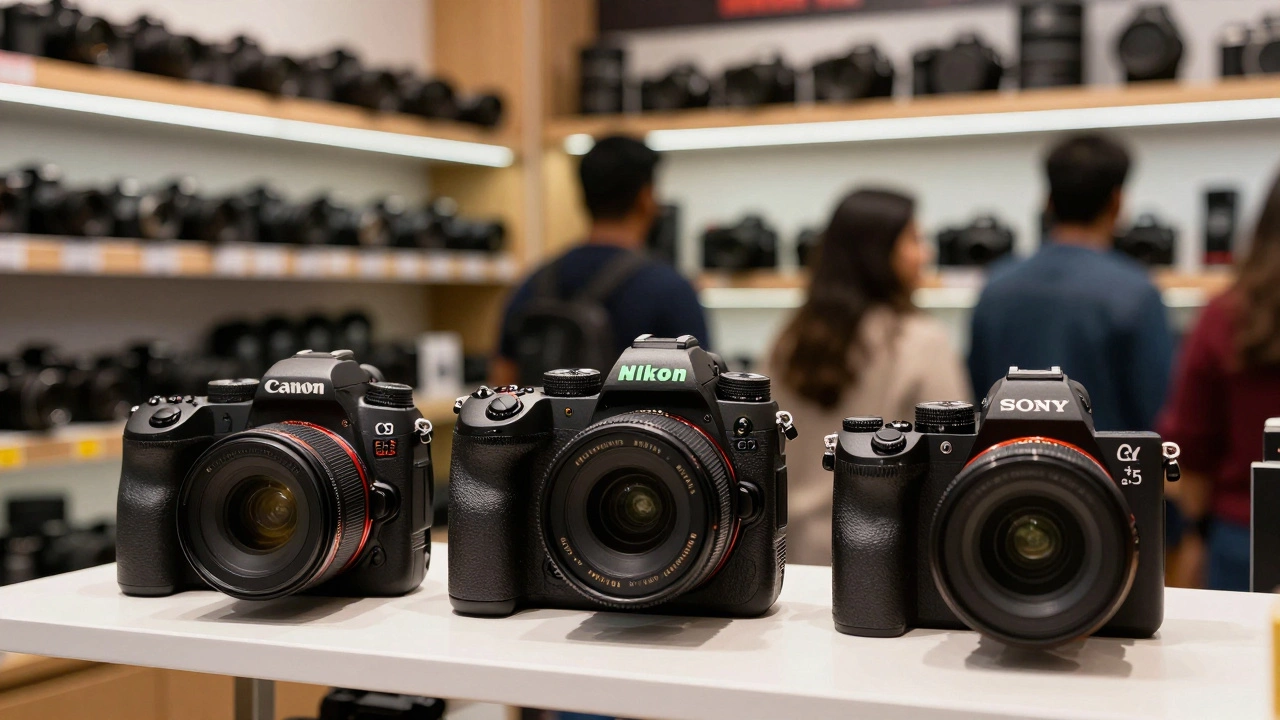
When you walk into any camera store in Mumbai, Delhi, or Bangalore, three names dominate the shelves: Canon, a Japanese multinational corporation specializing in imaging and industrial products, particularly known for its EOS series of cameras, Nikon, a Japanese multinational corporation renowned for its optics and imaging devices, especially the F-mount lens system, and Sony, a Japanese multinational conglomerate that has become a leader in digital imaging and sensor technology. Each has distinct strengths that appeal to different types of shooters. Canon holds the largest market share in India, largely due to its strong presence in entry-level and mid-range segments. Its user-friendly interface makes it a favorite among beginners and wedding photographers who need reliable performance without a steep learning curve. Nikon counters with superior build quality and exceptional value for money, particularly in its professional-grade bodies. Sony, while historically stronger in mirrorless, offers compelling DSLR options like the Alpha DSLR-A77 II for those seeking advanced autofocus systems and video capabilities.Canon: The People’s Choice
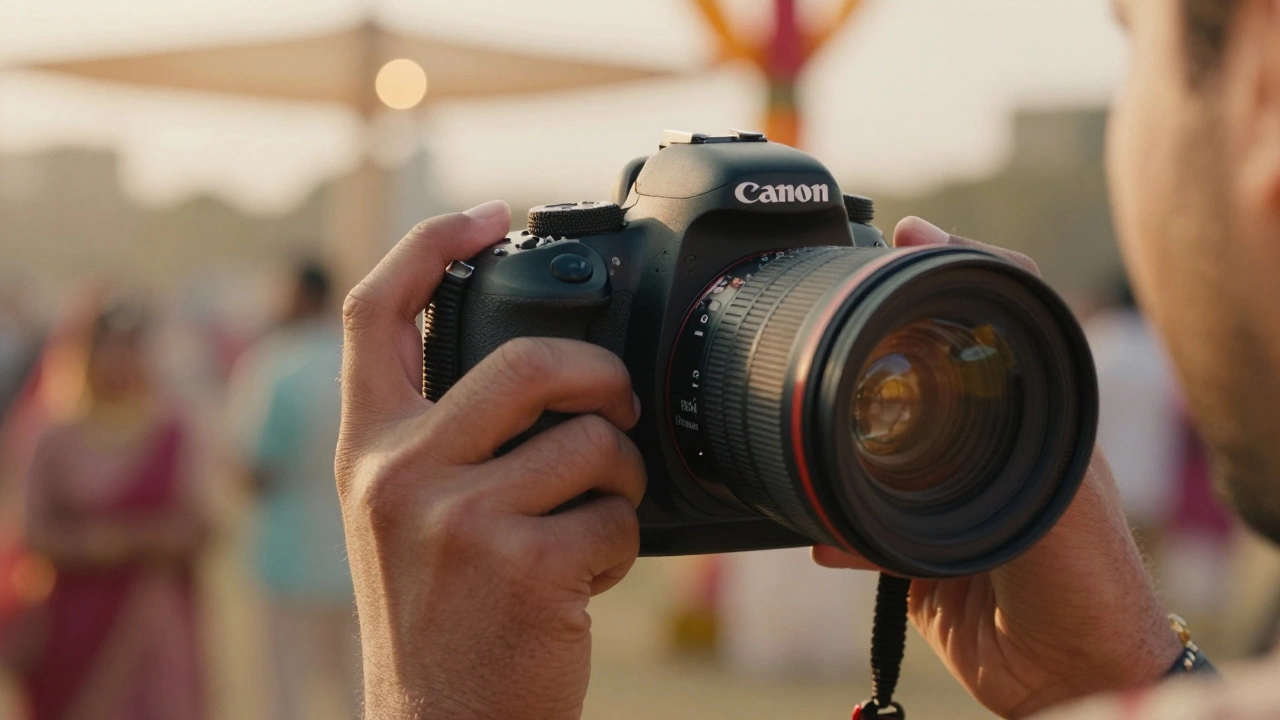
Canon’s reputation in India is built on consistency. The Canon EOS Rebel T7i (also known as the 800D) remains a top seller because it balances price and performance perfectly. For professionals, the Canon EOS 5D Mark IV set the standard for full-frame versatility. Why do so many Indian photographers choose Canon?- Color Science: Canon’s JPEG output is praised for its natural skin tones, which is crucial for portrait and wedding photography where minimal post-processing is desired.
- Lens Ecosystem: The EF mount has over 60 lenses available, ranging from affordable kit lenses to high-end L-series glass. This variety ensures you can find a lens for every situation, from wildlife telephotos to wide-angle landscapes.
- Service Network: Canon has one of the most extensive service networks in India, with authorized centers in most tier-1 and tier-2 cities. If your camera needs repair, you’re likely not far from help.
Nikon: Built for Durability and Value
Nikon appeals to photographers who prioritize ruggedness and optical precision. The Nikon D3500 is often recommended as the best beginner DSLR in India due to its lightweight design and impressive battery life-up to 1,550 shots per charge. For more serious work, the Nikon D7500 offers weather sealing and dual SD card slots, features usually found in higher-priced models. Key advantages of choosing Nikon:- Build Quality: Nikon bodies are known for their robust construction. Even entry-level models feel solid, and professional models like the D850 are virtually indestructible.
- Dynamic Range: Nikon sensors excel at capturing details in both shadows and highlights. This is invaluable for landscape photographers dealing with high-contrast scenes.
- Price-to-Performance Ratio: Nikon often undercuts Canon on price while offering similar or better specifications. You get more camera for your rupees.
Sony: The Tech Innovator
Sony entered the DSLR market later than Canon and Nikon but brought innovative technology to the table. The Sony Alpha DSLR-A77 II stands out with its hybrid autofocus system, combining phase-detection and contrast-detection for faster subject tracking. It also boasts excellent video capabilities, making it a choice for hybrid shooters who photograph and film equally. Reasons to consider Sony:- Advanced Autofocus: Sony’s AF system is among the fastest in the industry, ideal for sports and action photography.
- Video Features: With 4K recording and advanced stabilization, Sony DSLRs cater to content creators who need versatile tools.
- Compact Design: Sony tends to produce smaller bodies without sacrificing functionality, appealing to travelers and street photographers.
Comparison Table: Head-to-Head
| Feature | Canon | Nikon | Sony |
|---|---|---|---|
| Best For | Portraits & Weddings | Landscape & Wildlife | Sports & Video |
| Autofocus Speed | Good | Very Good | Excellent |
| Battery Life | Average | Excellent | Average |
| Lens Selection | Extensive | Extensive | Limited |
| Price Range | Moderate to High | Affordable to Moderate | Moderate to High |
Choosing Based on Your Needs
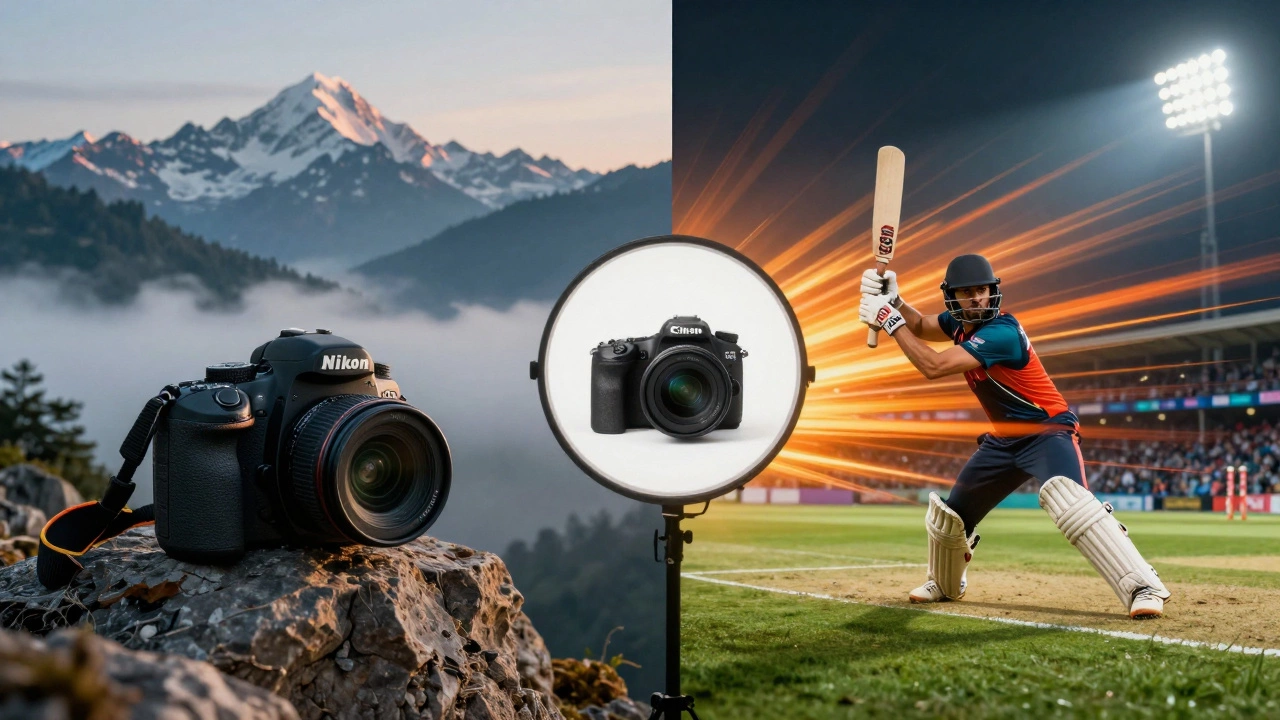
Your decision should hinge on what you plan to shoot most. Here’s how to match brands to common photography genres in India: Wedding Photography: Canon leads here. Its color rendition reduces editing time, and the reliability of models like the 5D Mark IV ensures no missed moments. Many Indian wedding photographers swear by Canon for its consistent performance in varied lighting conditions. Landscape Photography: Nikon takes the crown. The dynamic range of sensors in models like the D850 captures intricate details in misty Himalayan mornings or vibrant Kerala backwaters. Pair it with Nikon’s sharp Nikkor lenses, and you have a powerhouse combination. Sports and Action: Sony’s rapid autofocus and burst rates make it ideal for cricket matches or marathon events. However, if you prefer traditional DSLRs, the Nikon D500 offers comparable speed with better ergonomics for long shooting sessions. Beginners: Start with either the Canon EOS Rebel T7i or Nikon D3500. Both are intuitive, affordable, and come with helpful guide modes that teach you as you shoot. Consider your budget and local availability when deciding.Budget Considerations
In India, camera prices vary significantly based on import duties and exchange rates. As of 2026, entry-level DSLRs start around ₹25,000-₹35,000, while professional models exceed ₹1,50,000. Remember to factor in lens costs-a good lens often lasts longer than the camera body itself. Tips for smart spending:- Buy Used: Platforms like OLX and dedicated camera forums offer gently used gear at significant discounts. Always test before buying.
- Kits vs. Bodies: Kit lenses are convenient starters but upgrading early improves image quality. Allocate part of your budget for a prime lens.
- Warranty Matters: Ensure your purchase includes an official warranty. Unauthorized imports may save money upfront but cost more in repairs later.
The Future: Mirrorless vs. DSLR
While DSLRs remain popular, mirrorless cameras are gaining traction. Brands like Fujifilm and Sony are investing heavily in mirrorless tech, which offers electronic viewfinders, lighter bodies, and faster processing. However, DSLRs still hold advantages in battery efficiency and optical clarity. If you’re starting fresh, consider whether you want to invest in a mature DSLR system or future-proof with mirrorless. For now, DSLRs offer unbeatable value, especially in the Indian market where second-hand options abound.Is Canon better than Nikon for beginners?
Both are excellent choices. Canon offers a more user-friendly interface and superior color science for portraits, while Nikon provides better value and durability. Choose Canon if you prioritize ease of use and portraiture; opt for Nikon if you want ruggedness and landscape capabilities.
What is the best DSLR for wildlife photography in India?
The Nikon D500 or Canon EOS 90D are top picks. They offer fast autofocus, high frame rates, and weather sealing essential for outdoor shoots. Pair them with telephoto lenses like the Nikon AF-S NIKKOR 200-500mm for optimal results.
Are DSLRs still worth buying in 2026?
Yes, especially for budget-conscious buyers. DSLRs provide proven reliability, extensive lens options, and lower entry costs compared to mirrorless systems. They remain relevant for many professional and hobbyist photographers.
Which brand has the best customer service in India?
Canon generally has the most extensive service network across India, followed closely by Nikon. Sony’s service infrastructure is growing but remains less widespread outside major metropolitan areas.
Can I switch between Canon and Nikon lenses?
No, Canon EF and Nikon F mounts are incompatible. Adapters exist but compromise autofocus and aperture control. Stick to one ecosystem unless you’re willing to adapt or buy new lenses.