Best DSLR Cameras in India 2026: Top Picks for Beginners, Pros & Budget
 Jun, 9 2026
DSLR Camera Selector for India 2026
What's your budget range?
Select the price range you're comfortable with for your new DSLR camera.
Entry Level
Perfect for beginnersMid Range
Great for enthusiastsProfessional
For serious workWhat's your experience level?
Be honest about your current photography skills.
Complete Beginner
Never used a DSLR beforeIntermediate
Know basics, want more controlAdvanced/Pro
Shooting professionallyWhat will you primarily shoot?
Choose your main photography subject or style.
Portraits & Weddings
People, events, ceremoniesLandscape & Travel
Nature, scenery, architectureStreet Photography
Candid moments, urban scenesWildlife & Sports
Fast-moving subjectsYour Perfect Match
Based on your preferences, we recommend:
Why This Camera?
- Excellent value for money
- Great color science for portraits
- Lightweight and easy to carry
Key Specifications
- 18 Megapixel APS-C Sensor
- 9-Point Autofocus System
- 3 FPS Continuous Shooting
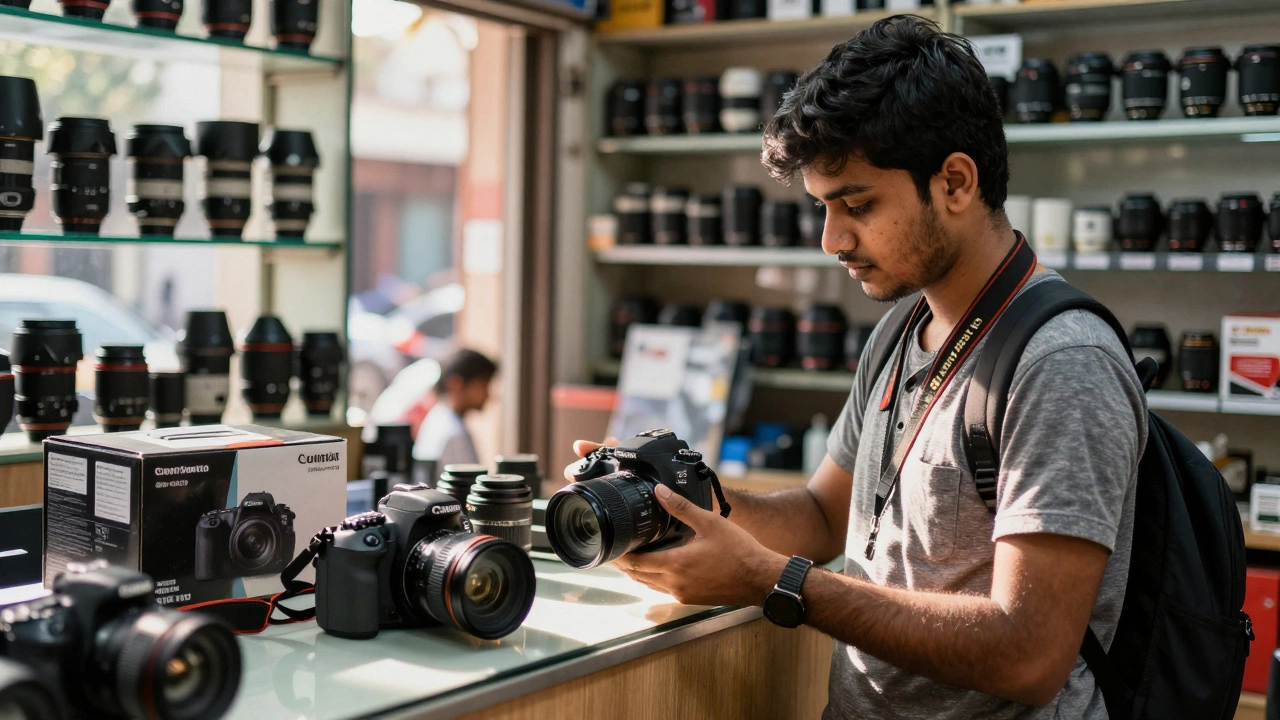
Walking into a camera store in Mumbai or Delhi today feels like stepping back in time. While the rest of the world has largely moved to mirrorless systems, India still holds a massive love affair with the traditional DSLR, which stands for Digital Single-Lens Reflex camera. You might wonder why. The answer is simple: price and durability. For many Indian photographers, especially those shooting weddings or street scenes on a budget, a DSLR offers more bang for your buck than its newer counterparts.
If you are standing at the counter right now, confused by the flashing lights and confusing specs, you are not alone. The market is flooded with options from giants like Canon, Nikon, and even Sony trying to keep their legacy lines alive. But which one actually deserves your hard-earned rupees? Let’s cut through the noise and look at what really matters for photographers in India in 2026.
The Reality Check: Why Buy a DSLR in 2026?
Before we dive into specific models, let’s address the elephant in the room. Mirrorless cameras are technically superior in autofocus speed and video capabilities. So why buy a DSLR? In India, the ecosystem for used lenses is vast. A Canon EF lens bought five years ago works perfectly on a new entry-level body. This resale value and availability make DSLRs incredibly practical for students, hobbyists, and semi-professionals who need reliability without breaking the bank.
Additionally, DSLRs have better battery life. If you are shooting an all-day wedding in the heat of Rajasthan, a DSLR can often last the entire event on a single charge, whereas a mirrorless might need two batteries. That reliability is worth gold when you cannot afford to miss a shot.
Best Entry-Level DSLRs for Beginners
If you are just starting out, you do not need complex menus or 4K video. You need something that teaches you the basics of aperture, shutter speed, and ISO without overwhelming you. Here are the top contenders in the sub-₹30,000 range.
| Model | Sensor Type | Megapixels | Approx. Price (INR) | Key Strength |
|---|---|---|---|---|
| Canon EOS 4000D | APS-C CMOS | 18 MP | ₹24,999 | Cheapest option, great color science |
| Nikon D3500 | APS-C CMOS | 24.2 MP | ₹28,999 | Excellent battery life, user-friendly guide mode |
| Canon EOS 3000D | APS-C CMOS | 18 MP | ₹22,999 | Budget king, lightweight |
The Canon EOS 4000D remains the undisputed king of affordability. It is no-frills. The build quality is plastic, and it lacks a vari-angle screen, but the image quality is surprisingly good for portraits thanks to Canon’s skin tone rendering. If you are on a tight budget, this is the gateway drug to photography.
On the other hand, the Nikon D3500 offers a slightly higher resolution sensor and a feature called Guide Mode, which acts as a built-in tutor. It explains what each setting does as you change it. For a complete novice, this educational aspect is invaluable. Plus, Nikon’s EXPEED 4 processor handles noise reduction better at high ISOs compared to Canon’s entry-level chips.
Mid-Range DSLRs for Enthusiasts
Once you have mastered the basics, you will want more control, faster autofocus, and perhaps some video capability. This is where the ₹40,000 to ₹60,000 segment shines. These cameras bridge the gap between hobby and pro.
The Canon EOS 200D II is a standout here. It features a vari-angle touchscreen, which is a game-changer for vloggers or anyone who likes to shoot from odd angles. The Dual Pixel Autofocus system makes live view shooting smooth and accurate, something older DSLRs struggled with. It is compact, stylish, and packs enough punch for serious social media content creation.
Nikon counters with the Nikon D5600. While slightly older, it offers excellent dynamic range and a tilting LCD screen. Its 39-point autofocus system is robust for capturing moving subjects, making it a favorite among wildlife enthusiasts who cannot yet afford a flagship model. The lack of weather sealing is a drawback if you plan to shoot in monsoon conditions, but for general use, it delivers stunning JPEGs straight out of the camera.
Professional DSLRs for Serious Work
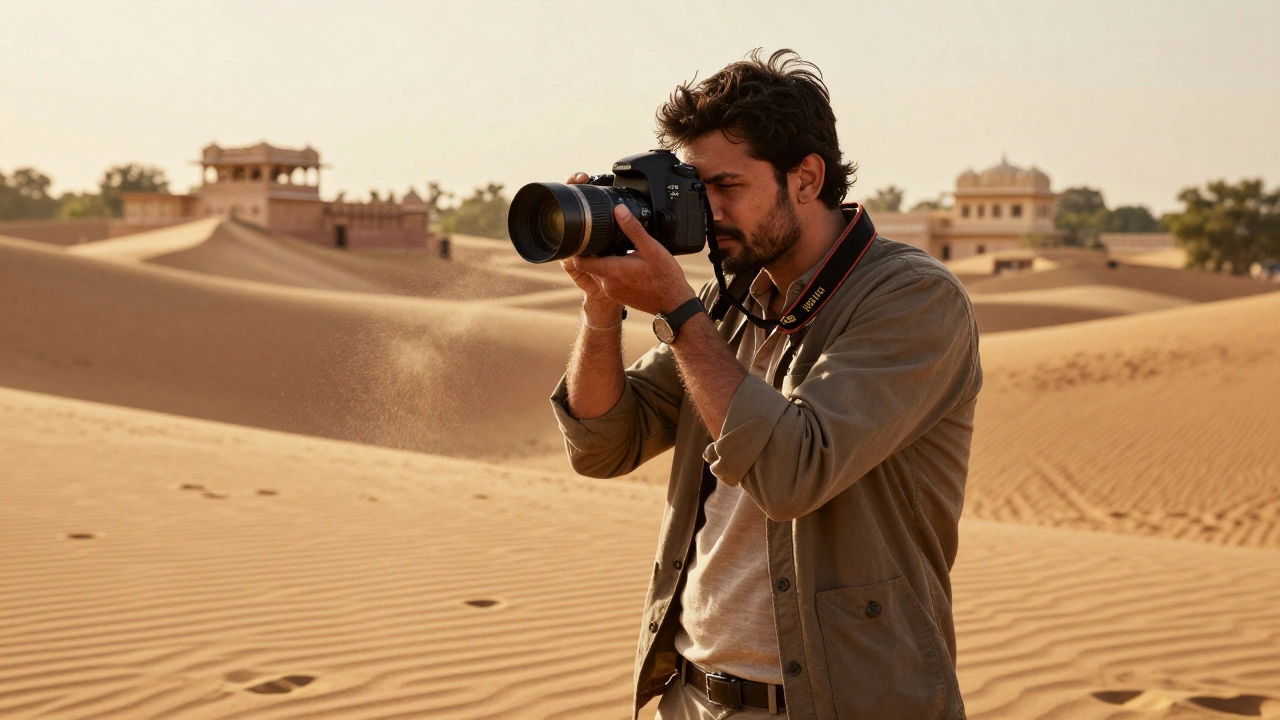
If you are running a business-be it wedding photography, corporate events, or commercial shoots-you need reliability above all else. This means dual card slots, rugged weather sealing, and fast continuous shooting speeds.
The Canon EOS 90D is currently the sweet spot for professional APS-C shooters. With 32.5 megapixels and a Digic 8 processor, it captures incredible detail. It can shoot up to 10 frames per second, which is crucial for freezing action during sports or candid moments at weddings. The optical viewfinder is bright and large, providing a true representation of what you are seeing.
For those who need full-frame performance, the Nikon D780 is a beast. It combines the classic DSLR experience with hybrid autofocus technology borrowed from Nikon’s mirrorless line. This means it performs well in both optical viewfinder mode and live view mode. Its low-light performance is exceptional, allowing you to shoot in dimly lit churches or evening receptions without raising the ISO too high.
What About Sony and Other Brands?
You might notice Sony is less prominent in the DSLR conversation. That is because Sony bet everything on mirrorless technology years ago. Their DSLR lineup is virtually non-existent in the current retail market. However, if you see a used Sony Alpha a77 II floating around, it is a capable machine with excellent autofocus tracking. But for new purchases, sticking to Canon or Nikon ensures better support, warranty service, and a wider selection of available lenses in India.
Pentax also maintains a niche presence with models like the Pentax K-70. It is known for its extreme weather resistance and in-body image stabilization. If you are a travel photographer heading to the Himalayas or coastal Kerala, the K-70’s durability might outweigh its slower autofocus compared to Canon or Nikon.
Essential Accessories for Indian Conditions
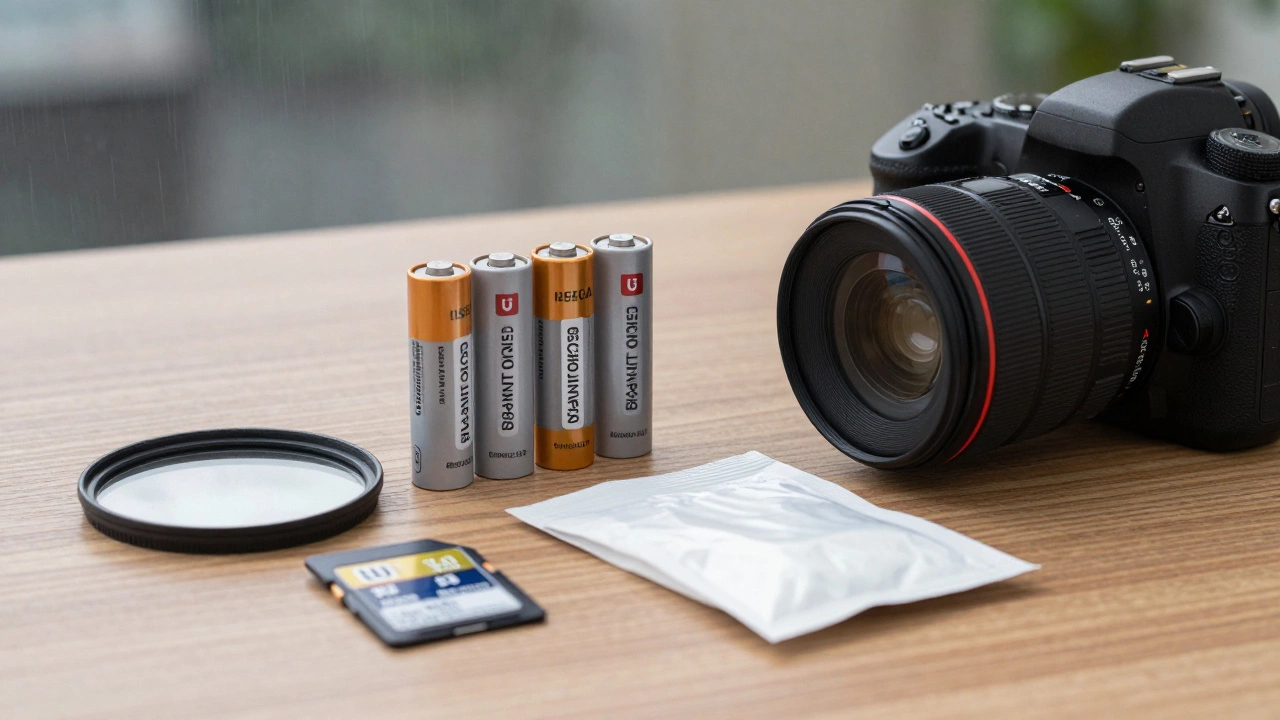
Buying the camera is only half the battle. India presents unique challenges: dust, humidity, and power fluctuations. To protect your investment, consider these essentials:
- UV Filter: Protects your front lens element from dust and scratches. Essential for outdoor shoots.
- Extra Batteries: Even with good battery life, carrying a spare is wise. Look for compatible third-party options to save money.
- Memory Cards: Invest in high-speed UHS-I SD cards. Slow cards can bottleneck your camera’s buffer, causing missed shots during bursts.
- Silica Gel Packets: Store them in your camera bag during monsoon season to absorb moisture and prevent fungus growth on lenses.
Final Thoughts: Making the Right Choice
Choosing the best DSLR in India depends entirely on your goals. If you are a student or casual shooter, the Canon EOS 4000D or Nikon D3500 will serve you well for years. If you are building a career, invest in the Canon EOS 90D or Nikon D780 for their professional features and durability. Remember, the best camera is the one you carry with you. Do not get paralyzed by spec sheets; pick a brand, learn its tools, and start shooting.
Is it worth buying a DSLR in 2026?
Yes, especially in India. DSLRs offer better battery life, cheaper lens ecosystems, and lower upfront costs compared to mirrorless systems. They are ideal for beginners and professionals who prioritize reliability over cutting-edge video features.
Which is better: Canon or Nikon for beginners?
Canon generally offers more intuitive menus and better skin tones for portraits, making it popular for wedding and event photography. Nikon provides excellent ergonomics, battery life, and landscape-oriented dynamic range. Both are great choices depending on your subject matter.
Do I need a full-frame DSLR?
Not necessarily. APS-C sensors found in mid-range DSLRs like the Canon 90D or Nikon D5600 produce high-quality images suitable for most professional needs. Full-frame is beneficial for extreme low-light situations and shallow depth of field requirements.
What is the cheapest DSLR available in India?
The Canon EOS 3000D is typically the cheapest new DSLR available, often priced under ₹23,000. It is a basic kit perfect for learning the fundamentals of photography without a significant financial commitment.
Are DSLRs good for video recording?
Modern DSLRs like the Canon EOS 200D II can record decent 1080p or 4K video. However, they lag behind mirrorless cameras in autofocus tracking during video. If video is your primary focus, consider a mirrorless hybrid instead.