Best Photo Book Sizes: Choosing the Perfect Dimensions for Your Memories
 Apr, 24 2026
Photo Book Size Advisor
Tell us about your photos
Recommended Size: -
Select your options to see the recommendation.
Visual Scale Representation
0 x 0 inches
Fill in the details to see the visual recommendation!
You've spent hours scrolling through thousands of photos from your last trip or your child's first year. Now comes the hard part: picking a size. Most people panic and just hit 'default,' but that's a mistake. A tiny book makes a sprawling mountain landscape look like a postage stamp, and a massive coffee table book can make a single selfie look lonely and empty. The truth is, there isn't one single "best" size, but there are industry standards that work for specific types of memories.
Quick Guide to Choosing Your Size
- Square (8x8 or 12x12): Best for Instagram-style shots and mixed orientations.
- Landscape (11x8.5): Perfect for travel, nature, and wide-angle panoramas.
- Portrait (8.5x11): Ideal for family portraits and tall cityscapes.
- Small/Mini (6x6 or 5x7): Great for "pocket" memories or specific event gifts.
The Reign of the Square Format
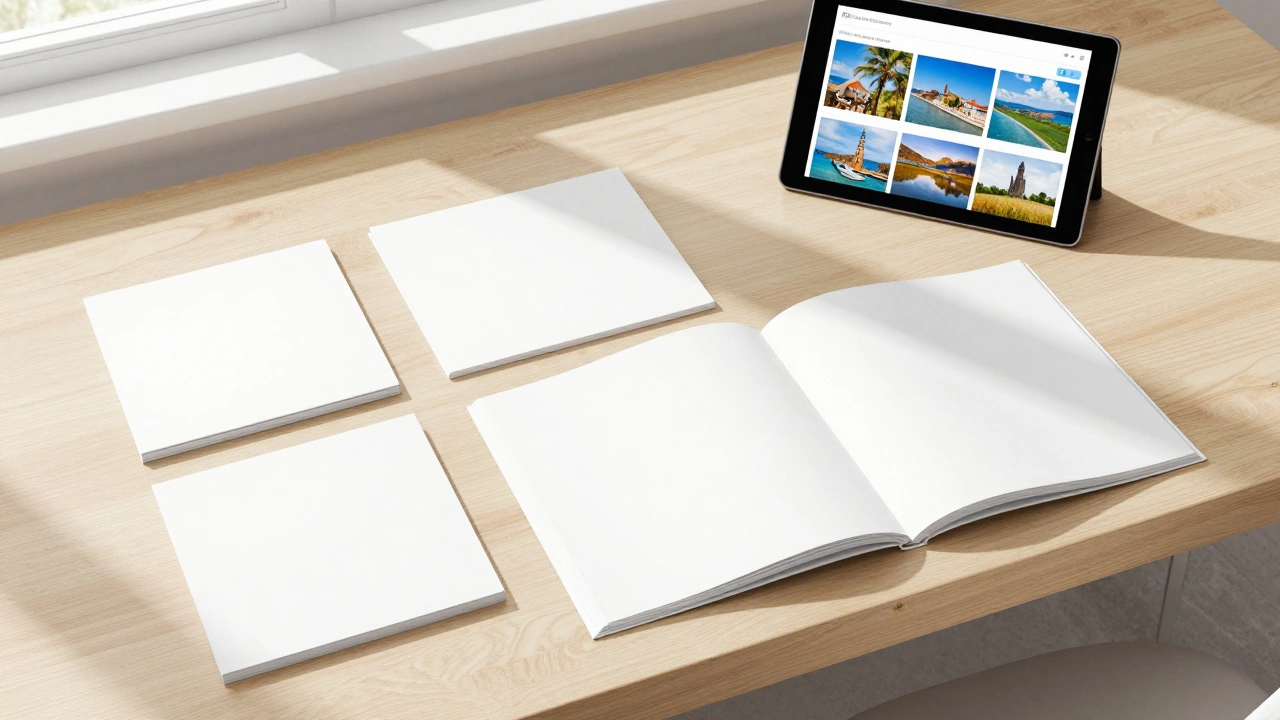
If you look at the sales data from major printing houses, Square Photo Books is the most frequent choice for modern users. Why? Because it solves the "orientation struggle." When you have a mix of vertical and horizontal photos, a square layout prevents you from having massive white gaps on your pages.
The 8x8 inch size is the sweet spot for most. It's large enough to feel like a real book but small enough to fit on a crowded shelf. However, if you're creating a wedding heirloom, jumping up to a 12x12 inch layout transforms the experience. A 12-inch square allows for a "hero image"-a single photo that spans two pages-giving your best shots the breathing room they deserve.
When to Go Landscape
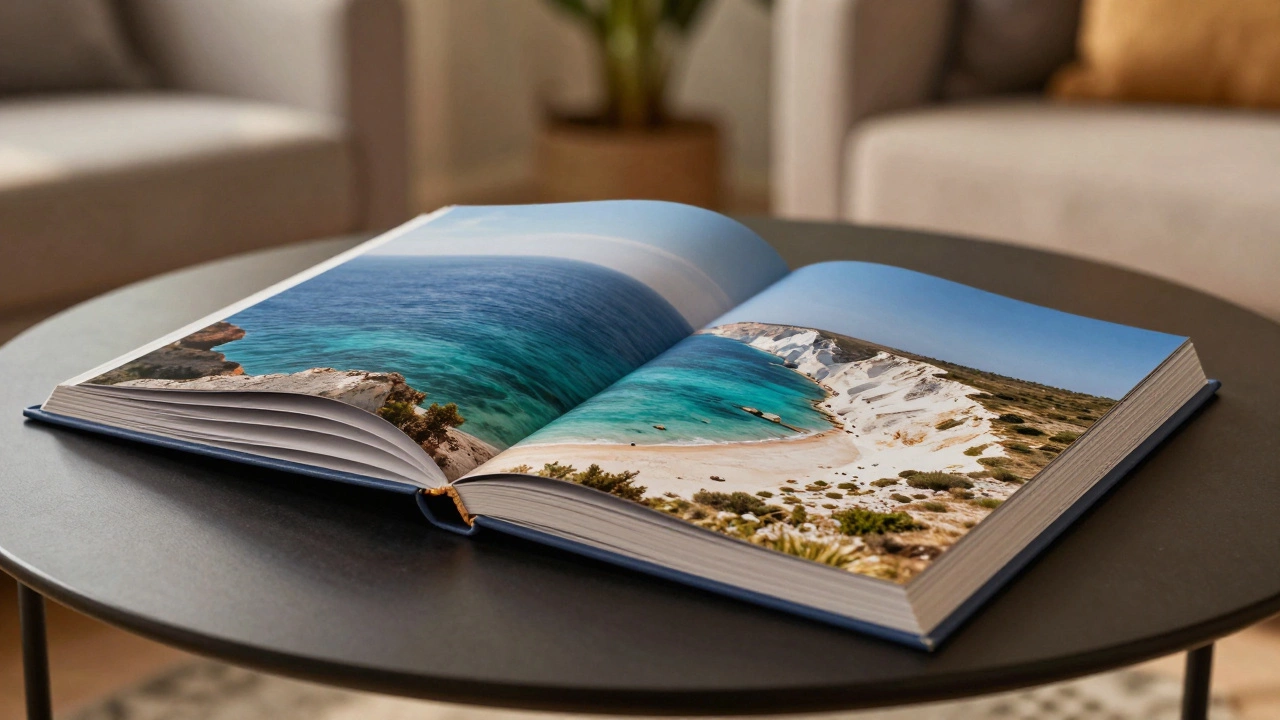
For those of us who love wide-open spaces, Landscape Orientation is a non-negotiable. If your collection is heavy on beach shots, forest trails, or group photos of twenty people, a portrait book will force you to crop out the edges or shrink the image to fit.
The standard 11x8.5 inch size mirrors the aspect ratio of most Digital Cameras and smartphones. Since your images are already captured in this wide format, they fit the page naturally. This removes the need for awkward borders. If you're documenting a road trip through the Highlands or a Mediterranean cruise, this is your go-to. It feels like a cinematic experience when you flip the pages.
The Classic Portrait Approach
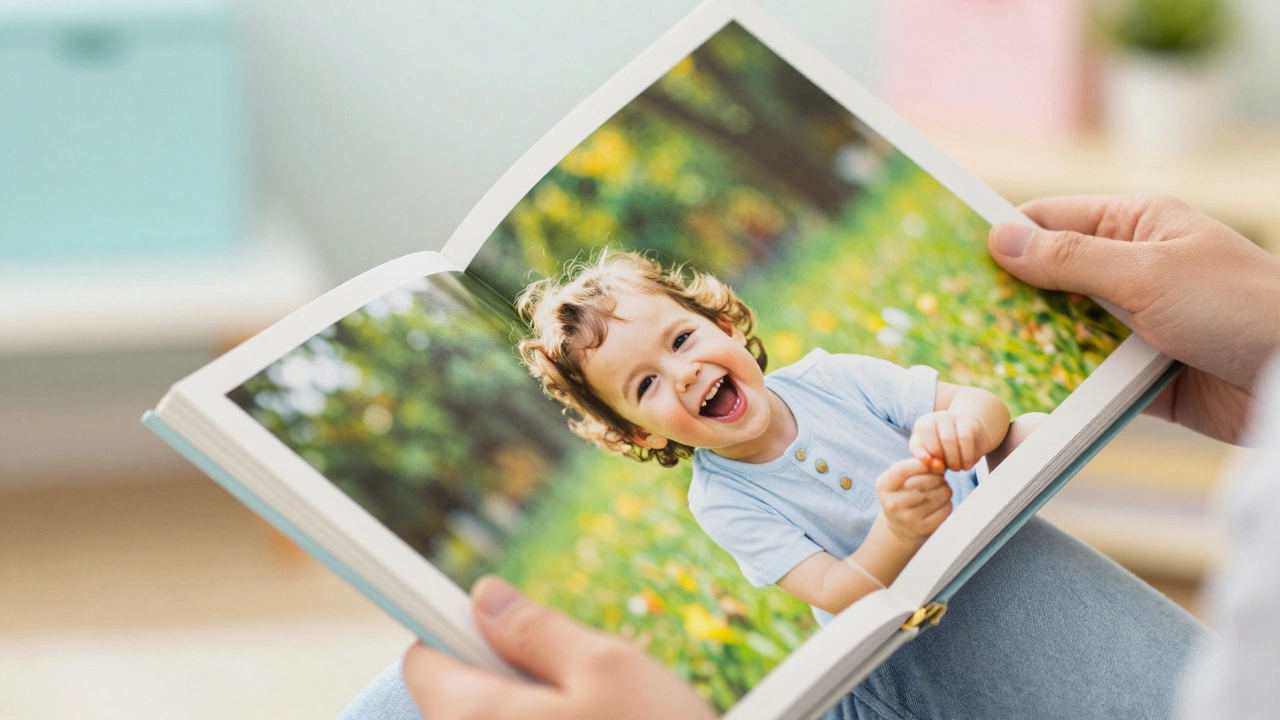
Portrait books, typically 8.5x11 inches, feel the most like traditional magazines or textbooks. They are the logical choice for Portrait Photography. Think of a "Year in Review" book for a child. Most of those photos are vertical-standing up, jumping, or playing. Using a portrait layout allows you to maximize the vertical space without sacrificing image quality.
The downside? Landscape photos look tiny in a portrait book. You'll either end up with a lot of empty space at the top and bottom of the page, or you'll have to group three or four small horizontal photos together to fill the gap. If your archive is a 50/50 split between vertical and horizontal, stick to the square format instead.
Comparing the Most Popular Dimensions
| Size (Inches) | Best For | Vibe | Common Use Case |
|---|---|---|---|
| 8x8 (Square) | Mixed orientations | Modern & Versatile | Social media archives, Baby books |
| 11x8.5 (Landscape) | Scenic views | Cinematic & Open | Travel journals, Nature photography |
| 8.5x11 (Portrait) | People & Portraits | Classic & Editorial | Yearly summaries, Fashion shoots |
| 12x12 (Large Square) | High-impact imagery | Luxury & Grand | Wedding albums, Portfolio books |
Understanding Resolution and Scaling
Here is where people usually mess up: they pick a huge book size but use low-resolution photos. A 12x12 inch book requires a much higher DPI (Dots Per Inch) than a 6x6 mini-book. If you're using photos downloaded from WhatsApp or Facebook, they've likely been compressed. Printing a compressed image across a full 12-inch page will result in "pixelation"-those ugly little squares that make a photo look blurry.
A good rule of thumb is to ensure your images are at least 300 DPI at the final print size. For a full-page spread in a large album, you're looking at a file size of roughly 3500 to 5000 pixels on the shortest side. If your photos are small, stick to the 8x8 or smaller sizes to keep the images looking sharp and professional.
Material Choices That Affect Perception
The size isn't the only thing that defines the "feel" of the book; the paper and binding matter too. Layflat Binding is a game-changer for larger books. Traditional books have a "gutter"-that dip in the middle where the pages meet. If you put a photo across two pages in a standard book, the most important part of the image often disappears into the fold.
Layflat books open completely flat, meaning your 12x12 spread is actually one seamless 24x12 inch image. This is almost essential for wedding albums or panoramic landscapes. Pair this with a matte finish to avoid fingerprints, or a high-gloss finish if you want the colors of a tropical vacation to really pop.
Avoiding Common Sizing Pitfalls
One of the biggest mistakes is ignoring the "bleed area." Most Printing Services trim the edges of the paper after printing. If you place a person's head or a crucial piece of text right at the edge of your digital canvas, there's a high chance it will be chopped off in the final product. Always keep a 0.25-inch safety margin around the edges.
Another trap is overstuffing. A common mistake is trying to cram 10 photos onto one page of an 8x8 book. This makes the book feel like a cluttered scrapbook rather than a curated gallery. If you have too many photos for a small size, don't just shrink them-either increase the book size or, better yet, curate your selection. Three great photos are always better than ten mediocre ones.
What is the most popular size for a photo book?
The most popular size is generally the 8x8 inch square. This format is favored because it accommodates both portrait and landscape photos without requiring excessive cropping or leaving large empty spaces on the page. It is seen as the most versatile "all-purpose" size for family albums and travel books.
Which size is best for wedding albums?
For weddings, the 12x12 inch square or a large landscape (11x8.5 or larger) is recommended. Wedding photography often features wide shots of the venue and emotional close-ups; a larger format allows these images to be displayed with more impact. Using a layflat binding is also highly recommended for this size to prevent image loss in the center fold.
Can I use phone photos for a large 12x12 book?
Yes, provided the photos were taken with a modern smartphone and haven't been heavily compressed by messaging apps. Most current smartphones capture images at a resolution high enough for a 12x12 page, but you should check for "low resolution" warnings in your printing software before finalizing the order.
What is the difference between landscape and portrait books?
A landscape book is wider than it is tall, making it ideal for scenery, wide-angle shots, and group photos. A portrait book is taller than it is wide, which is best for individual portraits, full-body shots, and vertical architecture. Choosing the wrong one often results in unnecessary cropping of your images.
How do I stop my photos from looking blurry in a big book?
To avoid blurriness (pixelation), ensure your images have a high DPI (Dots Per Inch). For a professional look, aim for 300 DPI. If the printing software warns you that a photo is "low resolution," avoid stretching it to fill a whole page; instead, use it in a smaller collage layout where it won't be enlarged as much.
Final Pro Tips for Your Project
Before you hit the print button, do a "flip-through" check. If you're using a digital preview, simulate how the book will feel. Does the flow make sense? Do the colors match across the pages? If you're undecided between two sizes, remember that a slightly smaller book with high-quality, sharp images always looks more expensive than a massive book with blurry, stretched-out photos.
If you're making a gift, consider the recipient's space. A 12x12 book is a statement piece for a coffee table, but a 6x6 mini-book is something they can keep on a nightstand or desk. Match the scale of the book to the scale of the occasion.