Can You Smile in a Passport Photo? Official Rules and Tips
 Apr, 7 2026
Passport Photo Compliance Checker
Will my photo be accepted?
Select your criteria
Adjust the options on the left to see if your photo meets the biometric requirements.
Quick Guide to Passport Smiles
- USA: Natural expression is required; a small smile is generally okay if it doesn't distort your face.
- UK: Neutral expression is mandatory; no smiling, no frowning.
- EU/Schengen: Strict neutral expression; mouths must be closed.
- General Rule: When in doubt, keep a "stone face" to avoid delays.
The Science of the Biometric Photo
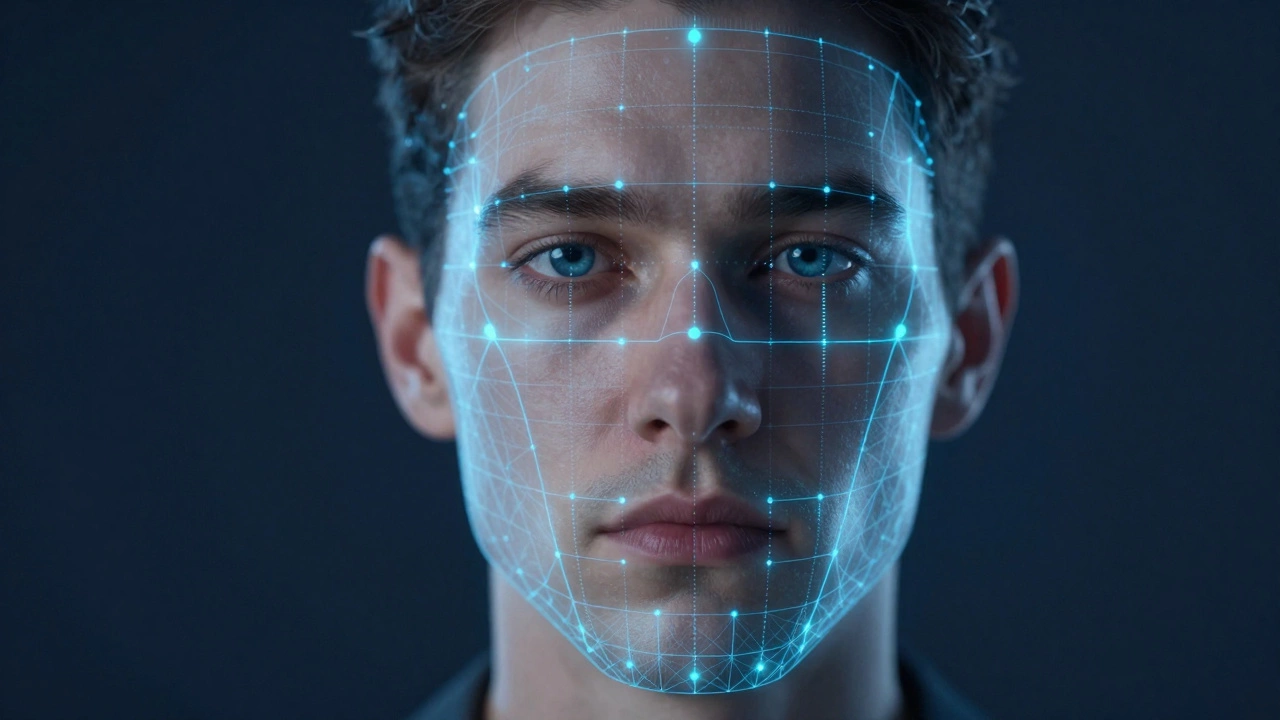
To understand why governments are so picky about your expression, you have to look at the technology. Most modern passports use Biometric is the technical term for biological measurements or physical characteristics that can be used to uniquely identify an individual technology. Your passport photo isn't just a picture; it's a data map. Facial Recognition Software analyzes the distance between your eyes, the width of your nose, and the contour of your jawline.
When you smile, your cheeks lift, your eyes narrow, and your lips change shape. This alters the geometry of your face. If the software at the airport gate can't match your smiling photo to your current, non-smiling face, you might get flagged. This is why agencies like the U.S. Department of State or the HM Passport Office in the UK have such rigid guidelines.
Country-Specific Rules: Where You Can and Can't Smile
Not every country views a smile as a "distortion." Here is how the biggest players handle it.
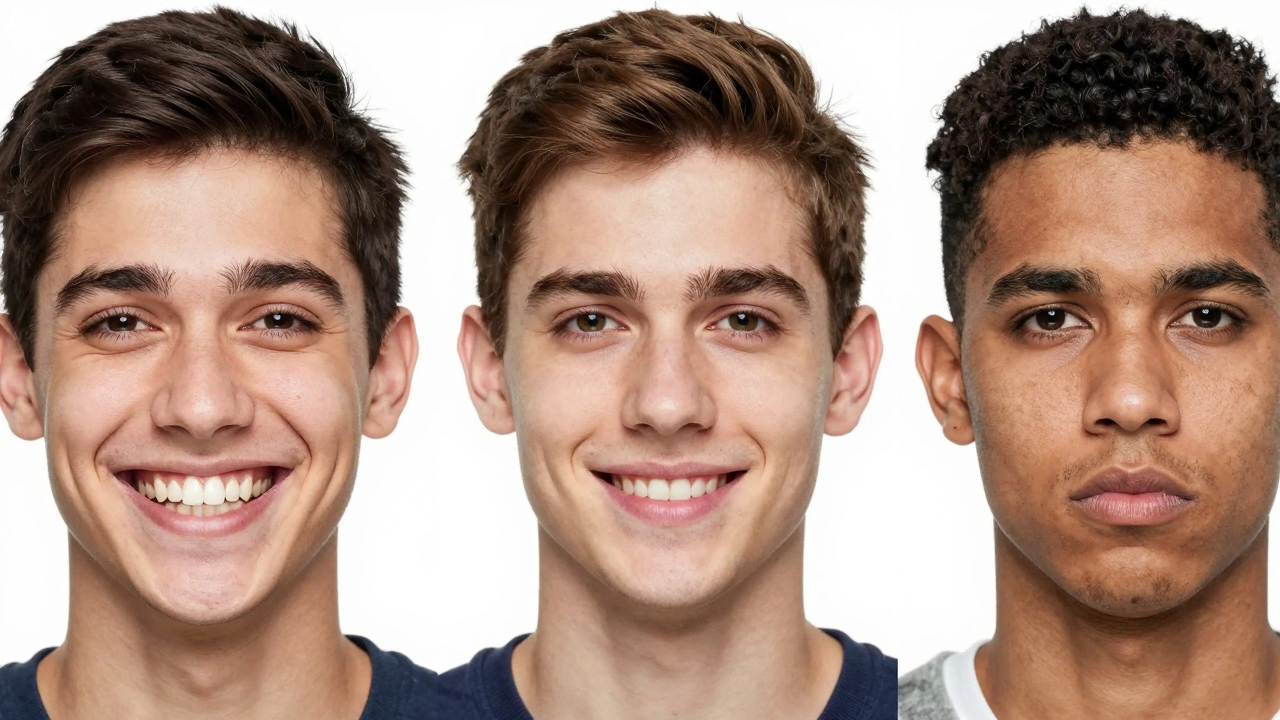
In the United States, the rules are slightly more relaxed. You are allowed a "natural expression." While they prefer a neutral look, a soft smile that doesn't show teeth or drastically change your facial features is usually accepted. However, if you're doing a full-blown grin, expect a rejection letter.
The United Kingdom is much stricter. The guidance is clear: you must have a neutral expression. This means your mouth should be closed and your eyes looking straight at the camera. Even a slight smirk can lead to your application being rejected. The goal is a standardized image that the International Civil Aviation Organization (ICAO) can easily categorize.
Across the European Union and Schengen Area, the rules are nearly identical to the UK. They require a neutral expression with the mouth closed. If you're applying for a visa to visit France or Germany, leave the smiling for the actual trip.
| Region/Country | Smile Allowed? | Teeth Showing? | Strictness Level |
|---|---|---|---|
| USA | Natural/Soft Smile | Discouraged | Moderate |
| UK | No | No | High |
| European Union | No | No | High |
| Canada | Neutral Expression | No | High |
Common Pitfalls That Lead to Rejection
It's rarely just the smile that gets a photo rejected; it's usually a combination of factors. If you're using a passport photo online service or taking a selfie at home, watch out for these red flags:
- Squinting: When people try to smile with their eyes, they often squint. This obscures the iris and pupil, which are critical for biometric scanning.
- The "Duck Face": Pouting your lips changes the distance between your nose and chin, which is a key measurement used by facial recognition systems.
- Head Tilt: Trying to find your "best angle" by tilting your head is a one-way ticket to a rejected application. Your head must be square to the camera.
- Shadows: If you're smiling and tilting your head, you often create shadows under the chin or nose. Lighting must be even across the entire face.
How to Get the Perfect "Neutral" Photo
Looking "neutral" doesn't mean you have to look like you're staring at a wall of paint. There are a few tricks to look approachable without breaking the rules.
- The "Slightly Open" Mouth: Instead of clenching your jaw tight (which makes you look tense), leave a tiny bit of space between your upper and lower teeth, but keep your lips closed. This relaxes the face.
- Focus on the Eyes: Since you can't smile with your mouth, imagine something funny just behind the camera. This creates a "smize" (smiling with your eyes) that looks friendly but keeps the biometric markers intact.
- Posture Check: Roll your shoulders back and push your chin slightly forward. This prevents a double chin and ensures your jawline is clearly defined for the software.
- Lighting is Everything: Stand facing a window with natural light. This eliminates the harsh shadows that often make a neutral expression look angry or grim.
Using Online Tools for Passport Photos
Many people now use apps or websites to take their photos at home. While convenient, this is where most mistakes happen. If you're using a passport photo online generator, make sure it has an automated check for expression and background.
A good tool should alert you if your head is tilted or if the lighting is too dark. But remember: no software can "fix" a smile into a neutral expression. If you've taken a photo where you're grinning, don't try to edit it using AI tools. Digital manipulation of facial features is strictly forbidden and can be flagged as fraud during the verification process.
The safest bet is to take ten different shots. In a few of them, try a very slight, closed-mouth smile; in others, go completely neutral. When you upload them to a verification service, they can tell you which one meets the specific legal requirements for your destination.
Next Steps for Your Application
Once you have your photo, don't just print it on any paper. Use high-quality matte or glossy photo paper. Inkjet prints on standard office paper will be rejected instantly. If you're unsure about your photo, you can use a free online validator or visit a professional studio that offers a "guarantee" that the photo will be accepted.
If you are applying for a passport for a baby or a toddler, the rules are usually slightly more relaxed. It is nearly impossible to get a one-year-old to maintain a perfectly neutral expression. In these cases, as long as the child's face is visible and they aren't making an extreme face, the authorities generally allow it.
Can I show my teeth in a passport photo?
In most countries, including the UK and EU, showing teeth is strictly forbidden. In the US, it is generally discouraged. To avoid any risk of rejection, keep your mouth closed.
Will a slight smile cause my passport to be delayed?
It depends on the country. For the US, a slight, natural smile usually doesn't cause issues. For the UK or EU, any expression that deviates from "neutral" can result in the photo being rejected and your application delayed by weeks.
Can I use a photo editing app to remove my smile?
No. You should never digitally alter your facial features. Using AI or editing software to change your expression can be seen as a security risk and will likely lead to your application being denied for fraud.
What counts as a "neutral expression"?
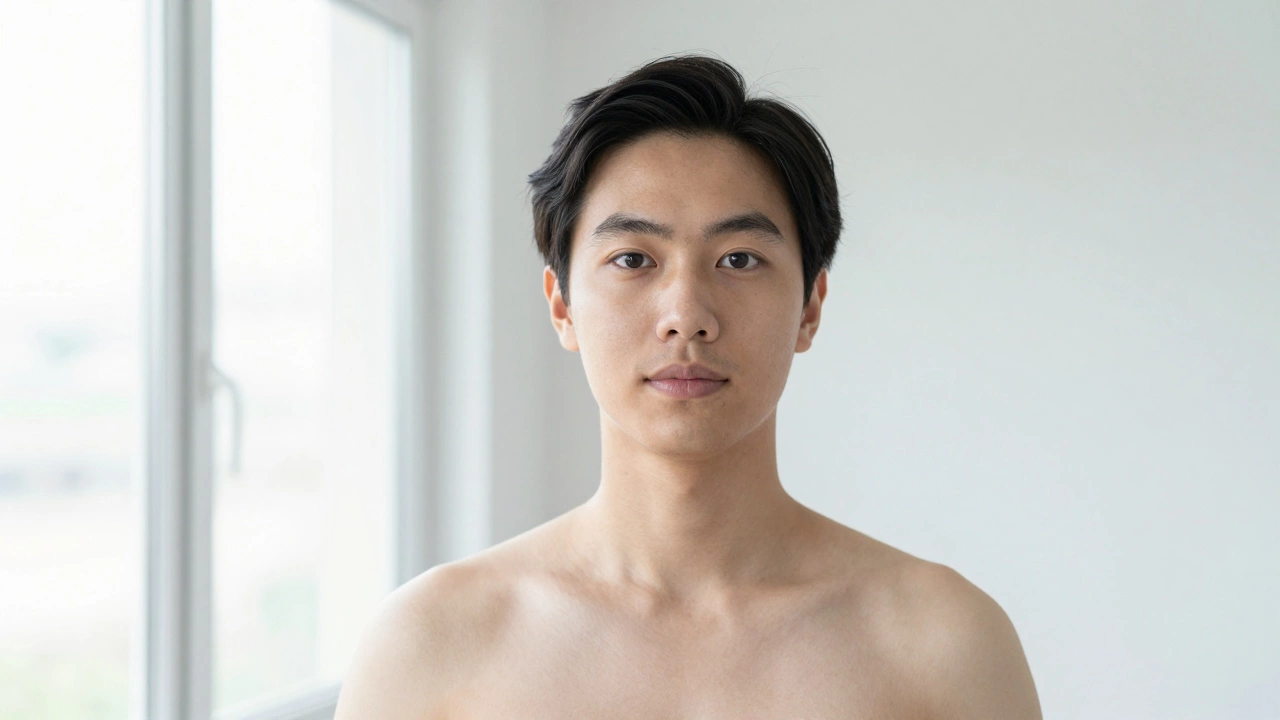
A neutral expression means your facial muscles are relaxed, your eyes are open and looking at the camera, and your lips are closed without being pursed or frowning.
Do rules differ for children's passport photos?
Yes, authorities are typically more lenient with infants and young children. While a neutral expression is still preferred, a slight smile is usually acceptable as long as the child's features are clear and unobstructed.