Can You Smile in a Passport Photo? Rules for UK, US & EU Photos
 Jun, 5 2026
Passport Photo Smile Policy Checker
Select your destination country to verify if smiling is allowed in your passport photo.
Mouth Position:
Key Restriction:
You’ve just taken the perfect shot. The lighting is crisp, your background is plain white, and you look great. Then you realize you’re grinning from ear to ear. Panic sets in. Can you actually smile in a passport photo, or will that happy expression get your application rejected at the border?
The short answer is: it depends entirely on where you are applying. If you are renewing a United States passport, a big grin might disqualify you. If you are updating your UK Biometric Residence Permit or an EU national ID card, a subtle smile is usually fine. Getting this wrong doesn't just mean a trip back to the post office; it can delay travel plans by weeks.
Navigating these rules feels like walking through a minefield of bureaucratic jargon. But once you understand the specific facial recognition technology behind the requirements, the logic becomes clear. This guide breaks down exactly what constitutes an acceptable expression for major jurisdictions, how to pose correctly, and why AI tools are changing the game for DIY applicants.
Why Facial Recognition Changes the Rules
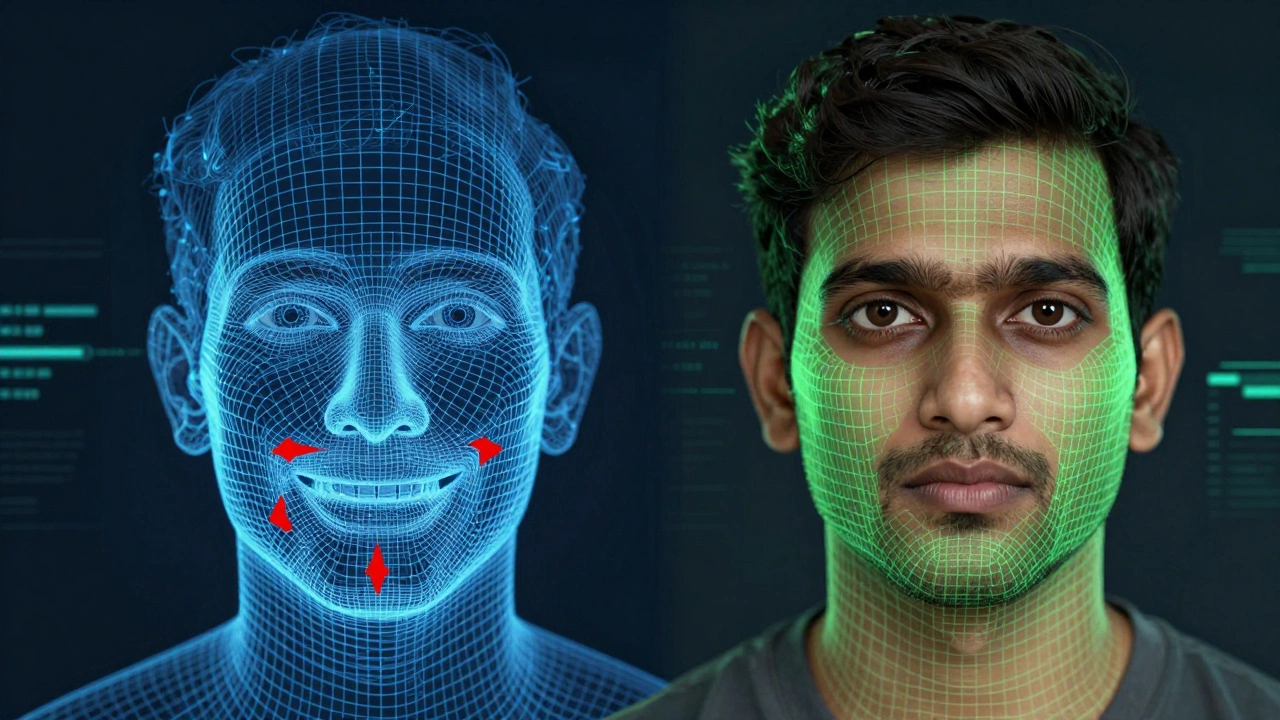
To understand why some countries ban smiles while others allow them, you have to look at the technology processing your image. Modern passports use biometric data. Specifically, they rely on facial recognition algorithms that map key points on your face-your eyes, nose, mouth corners, and jawline-to create a unique digital template.
When you smile broadly, you change the geometry of your face. Your cheeks rise, your eyes may squint, and the distance between your facial features shifts slightly. For older systems, this variation was acceptable. However, newer high-security databases require consistency. They need a "neutral" baseline to ensure that the person standing at the border scanner matches the photo in the chip, regardless of whether they are tired, happy, or stressed during the scan.
This is why the term "neutral expression" has become the gold standard in many regions. It isn't about looking emotionless or sad; it is about providing a stable geometric reference for the machine. Understanding this technical requirement helps you avoid the common mistake of thinking a slight smirk is okay when it’s not.
United States: The Strict No-Smile Rule
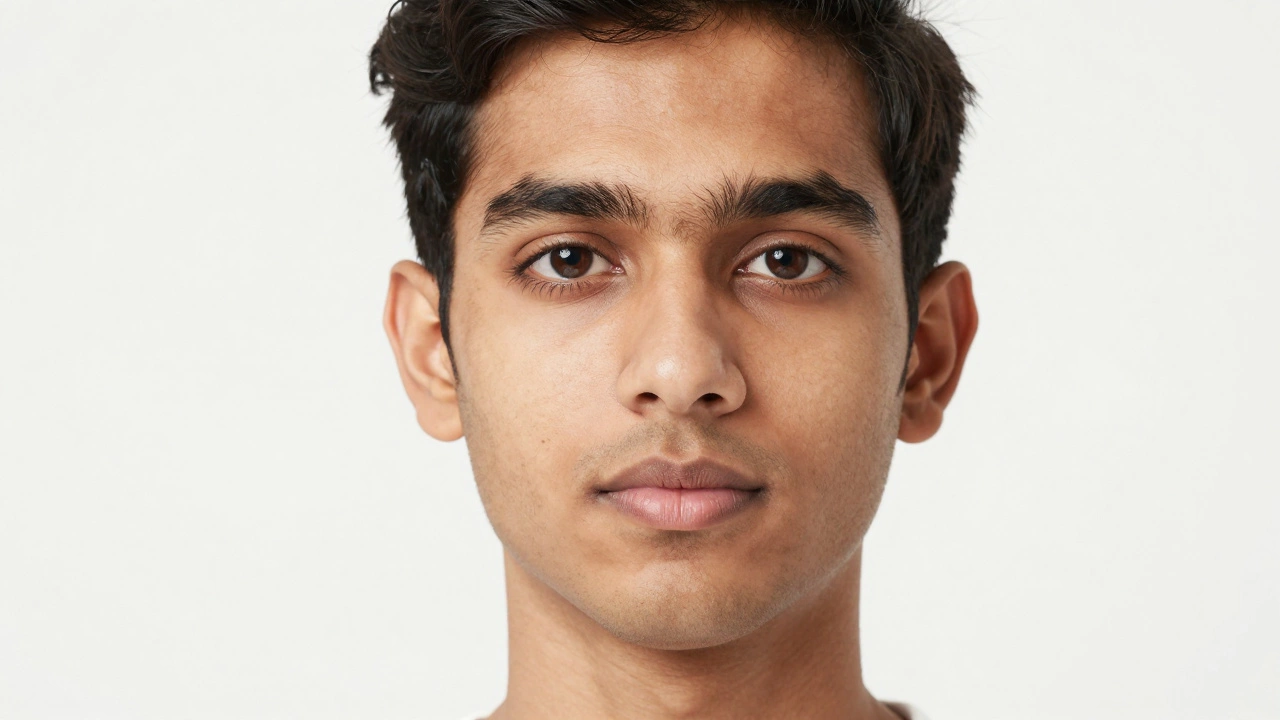
If you are applying for a US passport, visa, or Green Card, the rules are rigid. The U.S. Department of State requires a strictly neutral expression. This means:
- Your mouth must be closed.
- Your teeth should not be visible.
- Your lips should be relaxed, not pursed or stretched into a smile.
- Your eyes must be open and clearly visible.
A "resting face" is the goal here. Many applicants think they can get away with a "closed-mouth smile," where the corners of the lips turn up slightly. In practice, US inspectors often reject these photos because the upward curve alters the lip-line mapping used by their automated identity verification systems.
If your photo shows any sign of a smile, even a subtle one, the system flags it for manual review. This manual review adds days or weeks to your processing time. Given that millions of applications are processed annually, avoiding this bottleneck is crucial. The safest bet is to look straight ahead with a completely blank, relaxed face. Think of it as taking a mugshot, but with better lighting.
United Kingdom and EU: A More Relaxed Approach
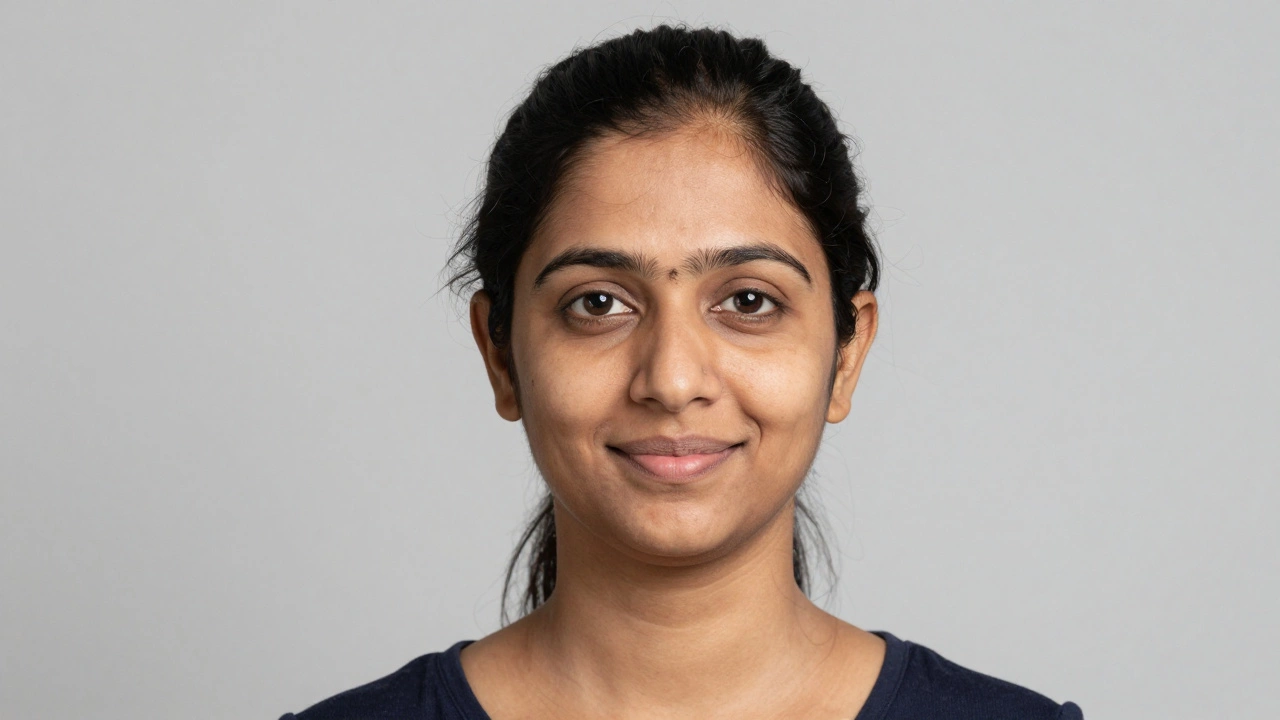
In contrast, the United Kingdom and most European Union countries take a different stance. The UK Home Office guidelines state that you should have a neutral expression, but they explicitly clarify that this does not mean you cannot smile. You are allowed to have a natural, gentle smile as long as your mouth remains closed.
Here is the nuance: your eyes must still be open, and the smile must not distort your facial features significantly. If your smile causes your eyes to close or squint heavily, the photo will be rejected. The key difference is that UK and EU systems are calibrated to accept minor variations in lip position, provided the core facial landmarks (eyes and nose) remain distinct and unobstructed.
For EU national IDs and Schengen visas, the rules vary slightly by country, but generally follow the International Civil Aviation Organization (ICAO) Document 9303 standards. These standards permit a neutral expression or a slight smile. However, if you are applying for a US Visa *from* the UK or EU, you must follow the strict US no-smile rule, not the local relaxed norms. Always check the destination country's requirements, not just your home country's.
| Region/Country | Smile Allowed? | Mouth Position | Key Restriction |
|---|---|---|---|
| United States | No | Closed, Neutral | No upward curve of lips |
| United Kingdom | Yes (Slight) | Closed | Eyes must remain open |
| European Union | Yes (Slight) | Closed | Must not distort features |
| Canada | No | Closed, Neutral | Strictly neutral expression |
| Australia | No | Closed, Neutral | Relaxed facial muscles |
Common Mistakes That Lead to Rejection
Even if you know the basic rule, small details often cause rejections. Here are the most frequent errors I see people make when trying to get the expression right:
- The "Closed-Mouth Grin": You keep your teeth hidden, but your cheeks puff out and your lips stretch wide. This distorts the shape of your mouth and is rejected in the US and Canada.
- Squinting Eyes: Smiling naturally engages the orbicularis oculi muscle around the eyes. If your eyes narrow too much, the iris is obscured, making facial recognition impossible.
- Looking Away: Trying to capture a candid smile often leads to looking off-camera. Passports require direct eye contact with the lens.
- Head Tilts: A playful head tilt combined with a smile looks casual, but passport photos require a square-on, forward-facing head position.
Another hidden trap is lighting. Shadows cast by raised cheeks due to smiling can confuse edge-detection software. Flat, even lighting is essential to ensure the algorithm sees your face structure, not the shadows of your expression.
How to Pose for the Perfect Expression
Getting a neutral face that doesn't look awkward takes practice. Here is a simple routine to nail the pose before you click the shutter:
First, relax your jaw. Clenching your teeth creates tension lines in your neck and chin. Take a deep breath and exhale slowly to release tension. Next, place your tongue flat against the roof of your mouth. This stabilizes your jaw and prevents a double-chin effect caused by slack muscles.
For your eyes, focus directly on the camera lens, not the screen preview. Blink twice before the shot to clear dryness, then hold them open. If you are prone to squinting, try tilting your head back slightly (while keeping your face square to the camera) to let gravity help open your eyelids fully.
If you are in the UK or EU and want a slight smile, think of a pleasant memory rather than forcing a grin. A genuine, micro-expression smile is less likely to distort your features than a forced, wide beam. Remember, the goal is recognizability, not attractiveness.
Using Online Tools to Verify Compliance
Taking the photo is only half the battle. Ensuring it meets the exact pixel dimensions, background color, and head size ratios is the other half. This is where online passport photo services have become indispensable.
Modern AI-driven platforms do more than just crop your image. They analyze your facial expression using computer vision models trained on government rejection criteria. When you upload a selfie, the tool checks:
- Whether your mouth is closed.
- If there is an unnatural curvature to your lips (indicating a smile).
- Whether your eyes are fully open and symmetrically aligned.
If the AI detects a smile in a US-bound application, it will flag it immediately. Some advanced tools even offer a "fix" feature, though ethical guidelines suggest retaking the photo rather than digitally altering your expression, which could lead to mismatched biometrics later. Using these tools acts as a pre-screening step, saving you from the embarrassment of handing over a non-compliant photo to a clerk who knows better.
These services also adjust the background to pure white (RGB 255,255,255) or off-white, depending on the country's spec, and resize the image to the exact millimeter requirements for printing. For example, a US passport photo must be 2x2 inches, while a UK passport photo requires 35mm x 45mm. Manual cropping rarely achieves this precision without distorting the aspect ratio.
What to Do If Your Photo Is Rejected
If your application is returned due to a photo issue, don't panic. It happens to thousands of people every year. First, read the rejection notice carefully. It will usually specify if the issue was the expression, the background, or the size.
If the issue was a smile, retake the photo following the neutral guidelines above. Do not simply edit the old photo to remove the smile; digital manipulation of facial features can trigger security alerts. Instead, use a consistent lighting setup and ask a friend to take multiple shots so you can choose the most relaxed one.
Consider using a professional service if you continue to struggle. Many pharmacies and postal outlets now have dedicated kiosks that guarantee compliance. While they cost a small fee, the peace of mind and speed of approval are worth it, especially if you are traveling soon.
Can I smile in a US passport photo?
No. The United States Department of State strictly requires a neutral expression with a closed mouth. Any visible smile, including closed-mouth smiles, can result in rejection or delays in processing.
Is a slight smile allowed in UK passport photos?
Yes. The UK Home Office allows a natural, gentle smile as long as your mouth is closed and your eyes remain fully open. The smile must not distort your facial features.
Will my passport photo be rejected if my teeth are showing?
Yes. Showing teeth is generally prohibited in passport photos for all major countries, including the US, UK, Canada, and EU nations. Your mouth must be closed.
Do I need a neutral expression for a Canadian passport?
Yes. Canada follows strict ICAO standards similar to the US. You must have a neutral expression with a closed mouth and relaxed facial muscles. Smiling is not permitted.
Can I use an app to fix a smiling passport photo?
While some apps claim to neutralize expressions, it is risky. Digital alteration of facial features can cause mismatches with biometric scanners. It is safer to retake the photo with the correct expression.
Why do passport photos require a neutral face?
Neutral faces provide a consistent geometric baseline for facial recognition software. Smiles change the shape of the face, which can confuse automated identity verification systems at borders.