Do People Buy Digital Cameras Anymore? The 2026 Reality
 Sep, 8 2026
Camera Buying Decision Tool
Not sure if you need a dedicated camera in 2026? Answer these questions to find the best fit for your lifestyle and budget.
Your Recommended Gear
Estimated Cost Breakdown
- Body
- Lens/Gear
- Accessories
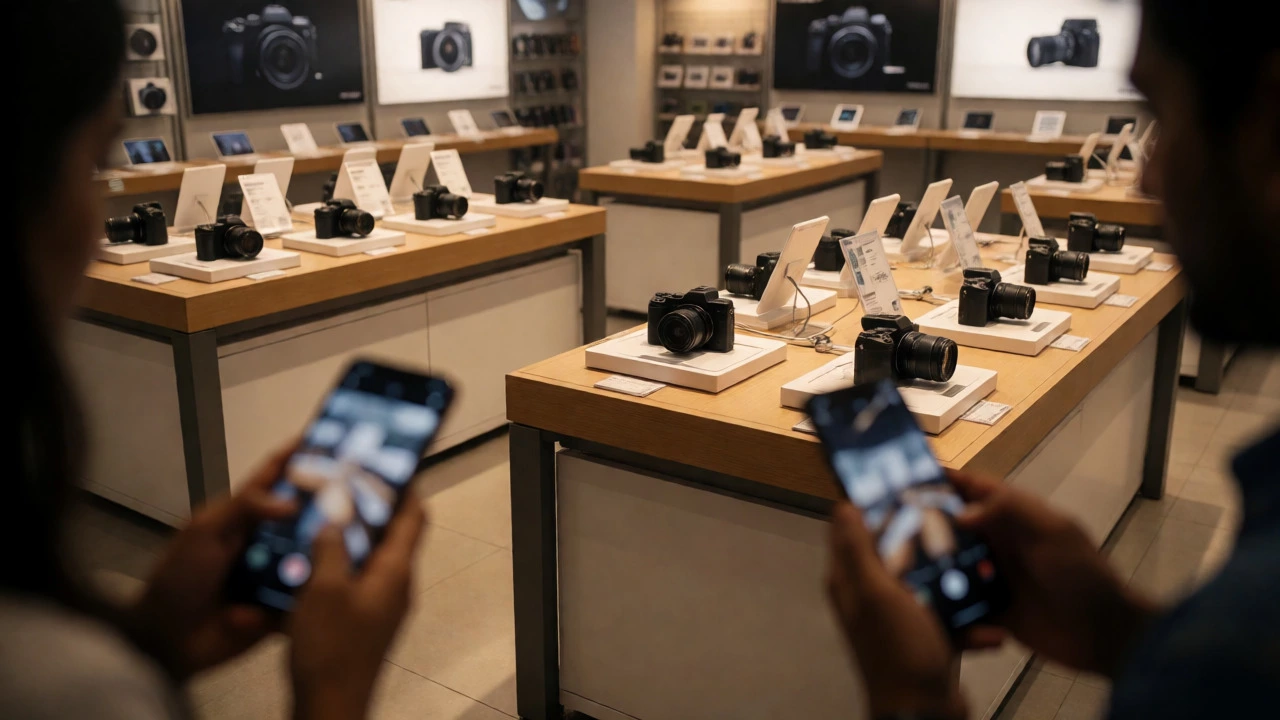
Walk into a major electronics store in Mumbai or Delhi today, and you might notice something odd. The aisle dedicated to digital cameras is quieter than it used to be. It’s not empty, but the crowds that once flocked here for point-and-shoots are gone. This raises a burning question: do people actually buy digital cameras anymore, or have smartphones completely killed them off?
The short answer is yes, people still buy them. But they aren’t buying them for the same reasons, nor are they the same people who bought cameras ten years ago. The market has shifted from mass-market convenience to niche passion and professional necessity. If you’re wondering whether you should spend your hard-earned rupees on a standalone camera in 2026, you need to understand where the industry stands right now.
The Great Smartphone Takeover
To understand the current state of smartphone photography, we have to look at what happened over the last decade. For most casual users, a modern flagship phone like the iPhone 15 Pro Max or the Samsung Galaxy S24 Ultra does everything a mid-range compact camera did five years ago. In fact, in many lighting conditions, it does it better thanks to computational photography.
Phones use AI to stack images, reduce noise, and enhance colors instantly. You don’t need to know what ISO or aperture means to take a decent photo of your dinner or your dog. This convenience factor decimated the sales of basic compact cameras. Why carry two devices when one fits in your pocket and uploads directly to Instagram?
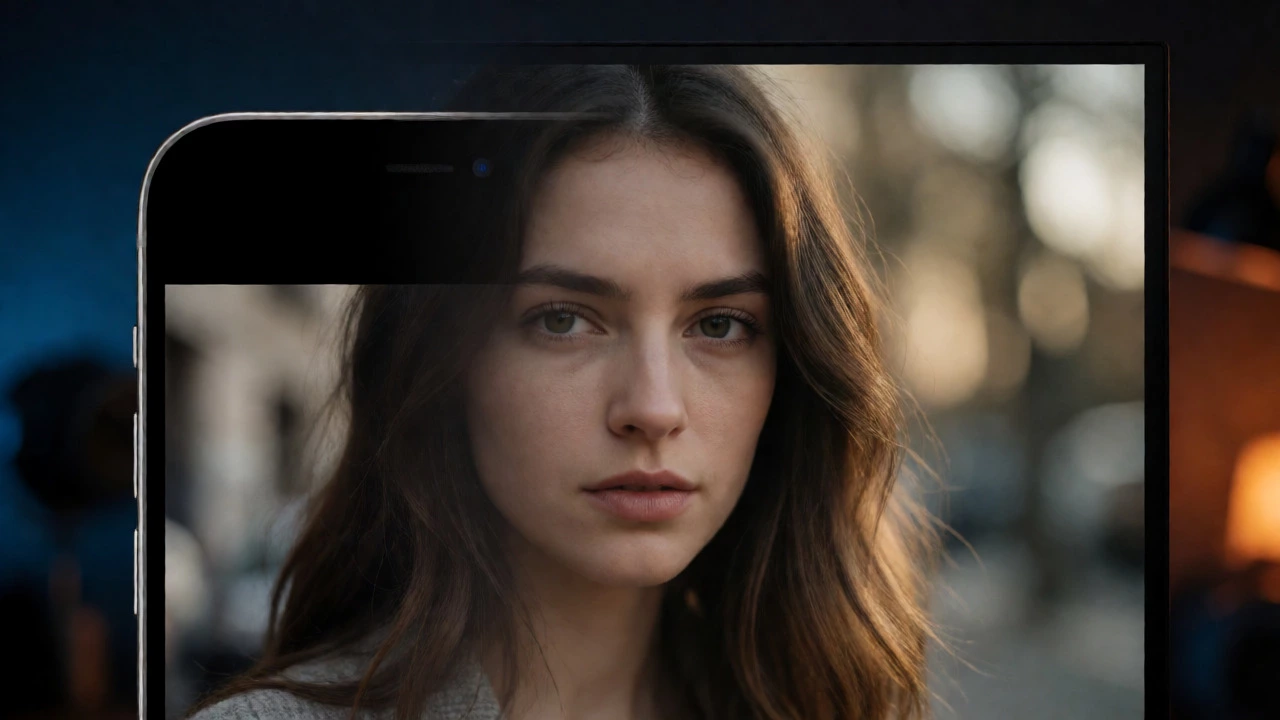
However, this convenience comes with limits. Phones struggle with extreme zoom, low-light sports action, and creative control over depth of field. While portrait modes try to simulate bokeh (background blur), they often fail around hair edges or complex shapes. This gap is exactly where the modern digital camera finds its purpose.
Who Is Actually Buying Cameras in 2026?
If you look at sales data from major retailers in India, the buyers fall into three distinct buckets. Understanding which bucket you fit into will help you decide if a purchase makes sense for you.
- Content Creators and Vloggers: This is perhaps the largest growth segment. With the rise of YouTube, Reels, and TikTok, creators need high-quality video capabilities that phones still struggle to match consistently. Features like unlimited recording time, better heat management, and interchangeable lenses are non-negotiable for serious creators.
- Hobbyists and Enthusiasts: These are people who enjoy the process of photography as much as the result. They love the tactile experience of adjusting dials, the viewfinder clarity, and the ability to swap lenses for different artistic effects. For them, a camera is a hobby tool, similar to how a guitar is for a musician.
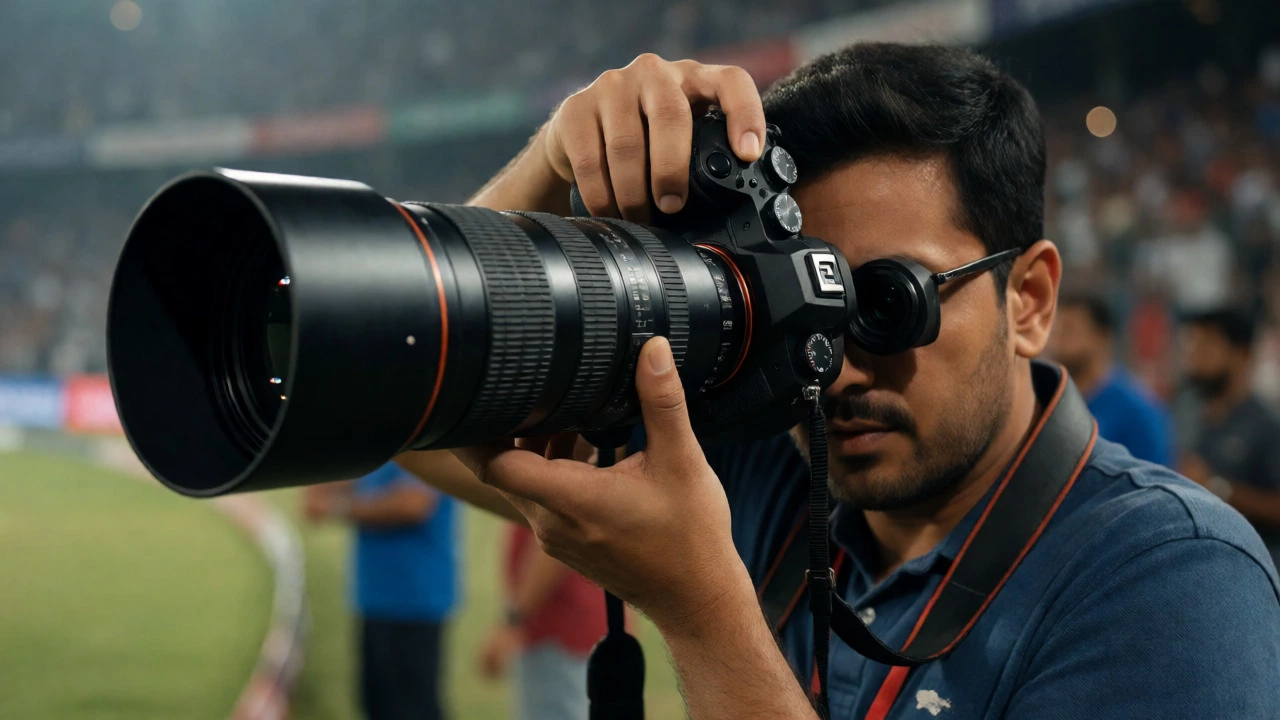
- Professionals: Wedding photographers, wildlife shooters, and commercial studios still rely on full-frame mirrorless systems. Clients expect 4K or even 8K resolution, perfect color grading, and reliability in harsh conditions. A phone simply cannot guarantee the file integrity needed for large-scale printing or broadcast.
Mirrorless vs. DSLR: The Current Landscape
If you decide to buy, you’ll face a choice between mirrorless cameras and DSLRs. Ten years ago, DSLRs were the gold standard. Today, they are largely legacy technology. Major manufacturers like Canon and Nikon have stopped developing new DSLR bodies and lenses, shifting all their R&D to mirrorless systems.
| Feature | Smartphone | Compact Camera | Mirrorless Camera | DSLR |
|---|---|---|---|---|
| Portability | Excellent | Good | Moderate | Poor |
| Image Quality | High (Computational) | Moderate | Superior | Superior |
| Video Capabilities | Very Good | Poor | Excellent | Good |
| Lens Flexibility | None | Fixed | Interchangeable | Interchangeable |
| Price Range (INR) | ₹70k - ₹1.5L+ | ₹20k - ₹50k | ₹60k - ₹3L+ | ₹40k - ₹2L+ |
Mirrorless cameras remove the mirror mechanism found in DSLRs, allowing for smaller bodies and electronic viewfinders that show you exactly what the sensor sees. This includes exposure preview and focus peaking, which helps nail critical shots. For new buyers in 2026, mirrorless is the only logical path forward unless you are buying used gear on a strict budget.
The Cost Barrier in India
Let’s talk money. In India, importing electronics often incurs significant duties, making cameras expensive compared to global averages. A decent entry-level mirrorless kit, such as the Sony Alpha 7C II or the Canon EOS R8, can easily cost between ₹1.2 lakh and ₹1.8 lakh including taxes. Add a prime lens, and you’re looking at ₹2 lakhs total.
Compare this to a premium smartphone costing ₹1.5 lakhs, and the value proposition becomes tricky. The camera body alone doesn’t make great photos; the lens matters more. Many beginners make the mistake of buying an expensive body with a cheap kit lens, then blaming the camera for blurry photos. Remember, the glass in front of the sensor dictates sharpness and light gathering far more than the brand name on the top plate.
Furthermore, the ecosystem costs add up. High-speed SD cards, extra batteries, and protective cases are recurring expenses. If you plan to shoot weddings or travel extensively, you might need multiple lenses, each costing as much as a mid-range smartphone.
When a Camera Beats Your Phone Every Time
Despite the hype around phone cameras, there are specific scenarios where a dedicated digital camera remains unmatched. If you find yourself in these situations regularly, investing in a camera is justified.
- Action and Sports: Phones have limited shutter speeds and buffer depths. A mirrorless camera with a fast autofocus system can track a running child or a cricket ball with precision that phones still miss.
- Low Light without Noise: While night mode on phones is impressive, it often looks artificial. A larger sensor captures natural light with less grain, preserving texture in skin tones and fabrics.
- Creative Zoom: Optical zoom lenses allow you to compress backgrounds and isolate subjects naturally. Digital crop on phones loses detail quickly beyond 5x or 10x magnification.
- Professional Workflow: Shooting in RAW format gives you massive flexibility in post-processing. You can recover shadows and highlights that would be permanently lost in a JPEG straight out of a phone.
Should You Buy One Now?
Here is a simple decision tree to help you choose.
Buy a smartphone if: You mostly share photos on social media, prioritize convenience, and don’t want to learn technical settings. Modern flagships are incredible tools for 90% of users.
Buy a compact camera if: You want slightly better quality than a phone but hate carrying bulky gear. Models like the Ricoh GR IIIx offer a fixed lens that encourages creativity through limitation.
Buy a mirrorless camera if: You want to learn photography seriously, plan to sell your work, or create high-end video content. The learning curve is steep, but the rewards in image quality and creative control are substantial.
The market hasn’t died; it has matured. We moved past the era where everyone needed a camera because phones were bad. Now, people buy cameras because they want to do things phones physically cannot. It’s a shift from utility to artistry and professionalism.
Are digital cameras becoming obsolete?
No, they are not obsolete, but their role has changed. They are no longer essential for general documentation. Instead, they serve as specialized tools for enthusiasts, professionals, and creators who require higher image quality, better ergonomics, and advanced video features that smartphones cannot yet replicate fully.
Is it worth buying a DSLR in 2026?
Generally, no. Most major manufacturers have ceased production of new DSLR models. Unless you are buying used equipment at a significant discount, investing in a mirrorless system is smarter because it offers future-proofing, better lens options, and superior autofocus technology.
Why are cameras so expensive in India?
Cameras in India attract high customs duties and GST (Goods and Services Tax). Additionally, since most components are imported, currency fluctuation impacts pricing. Local manufacturing is limited, so prices remain higher compared to markets like the US or Japan.
Can a smartphone replace a professional camera?
For social media and casual snapshots, yes. For professional prints, large-format advertising, or high-end cinema, no. Smartphones lack the dynamic range, color depth, and optical versatility required for professional-grade output under varied lighting conditions.
What is the best starting camera for beginners?
Entry-level mirrorless cameras like the Sony ZV-E10 II, Canon EOS R50, or Nikon Z30 are excellent choices. They offer good video features, easy-to-use interfaces, and access to a wide range of affordable lenses, making them ideal for learning photography and videography simultaneously.