Does the Bride Get Makeup Done First? Timing Tips for Pre-Wedding Shoots
 May, 1 2026
Pre-Wedding Timeline Builder
Bride's Routine
Groom's Routine
Click 'Generate Timeline' to see your schedule.
There is a specific kind of panic that sets in about three months before your wedding. You have booked the venue, you have chosen the dress, and you have hired the team. But then, one question pops up during a casual chat with your pre-wedding photographer: "Who gets ready first?" It sounds like a minor logistical detail, but it actually dictates the flow of your entire morning. If you get this wrong, you might end up waiting around in half-applied foundation while the groom runs late, or worse, missing that golden hour light because everyone was stuck in traffic.
The short answer is: usually, yes, the bride gets her makeup done first. However, the real magic happens when you coordinate this with the groom’s preparation and the first look session. Let’s break down why this order matters, how to adjust it based on your specific wedding style, and what you need to tell your beauty team to avoid chaos.
Why the Bride Usually Goes First
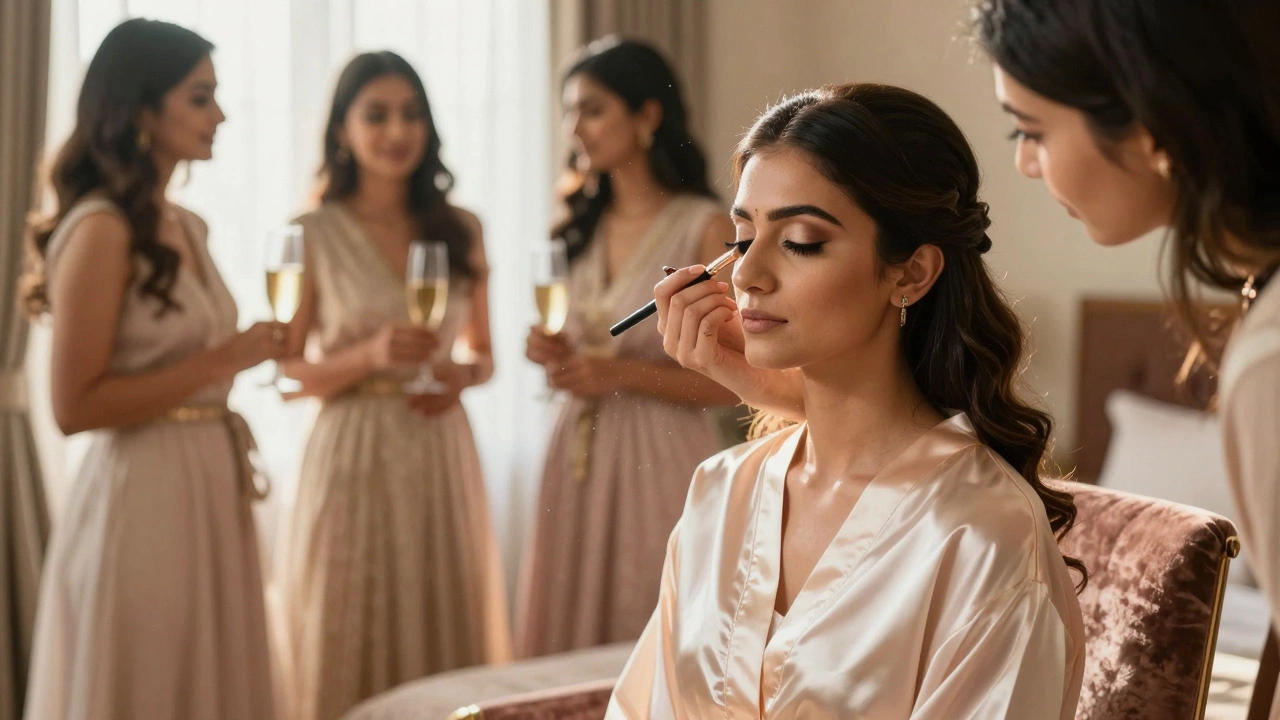
In traditional wedding timelines, the bride’s beauty routine takes precedence for a few practical reasons. First, bridal makeup is complex. A full face-including skin prep, color correction, foundation, contouring, eye makeup, lashes, and setting-can take anywhere from 60 to 90 minutes. Add in hair styling, which often requires drying time or intricate braiding, and you are looking at a two-to-three-hour block.
Second, lighting plays a huge role. Most brides prefer to start their makeup early so they can touch up throughout the day without worrying about melting or fading before the ceremony. If the bride starts later, she risks rushing the final steps, leading to uneven application or rushed hair adjustments that look messy in photos.
Third, there is the emotional factor. The bride’s getting-ready shots are often the most intimate part of the wedding photography package. Photographers love capturing the quiet moments: the mother helping with the veil, the best friend laughing over spilled champagne, the deep breath before seeing the dress. These moments require time to unfold naturally, not frantically.
The Groom’s Role in the Timeline
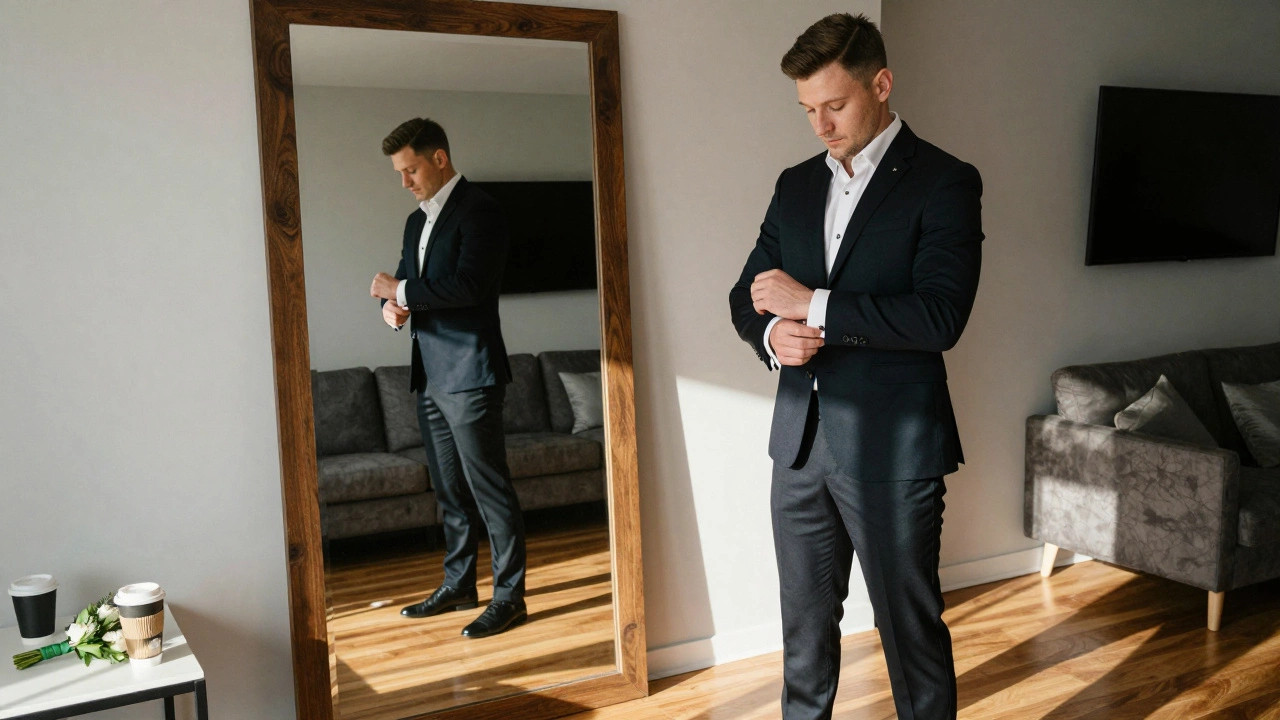
This doesn’t mean the groom is just hanging out until the last minute. In fact, modern wedding planning suggests that the groom should start his preparation earlier than you think. While the bride is undergoing her transformation, the groom should be getting dressed, doing his hair, and handling any last-minute details like boutonnières or cufflinks.
If the groom waits until the bride is completely ready to start his own routine, you create a bottleneck. Suddenly, both parties are needing attention at the same time, photographers are waiting, and the stress levels spike. By having the groom ready an hour before the bride, he can help settle nerves, grab coffee, and even participate in some candid shots while the bride finishes her look.
Think of it this way: the bride’s process is a marathon; the groom’s is a sprint. Plan accordingly. The groom needs about 30-45 minutes for hair and dressing if he has a professional stylist, or up to 90 minutes if he is doing it himself with friends. Start him early enough so he is polished and relaxed by the time the bride steps out of the salon or bedroom.
Impact on Pre-Wedding Photoshoots
You mentioned pre-wedding photoshoot specifically, and this changes the dynamic slightly. Unlike the wedding day itself, where the ceremony time is fixed, a pre-wedding shoot offers more flexibility. However, the principle remains similar: the person with the longer beauty routine should start first.
For pre-wedding shoots, couples often opt for multiple looks. This means the bride might need two separate makeup applications-one for a soft, natural look and another for a more dramatic evening vibe. Each change takes time. If you plan to do a joint outdoor shoot, starting the bride’s makeup first ensures that when the groom arrives, the lighting is perfect, and the bride is camera-ready. Waiting for the bride to finish while the groom stands in the sun creates awkward gaps in the schedule.
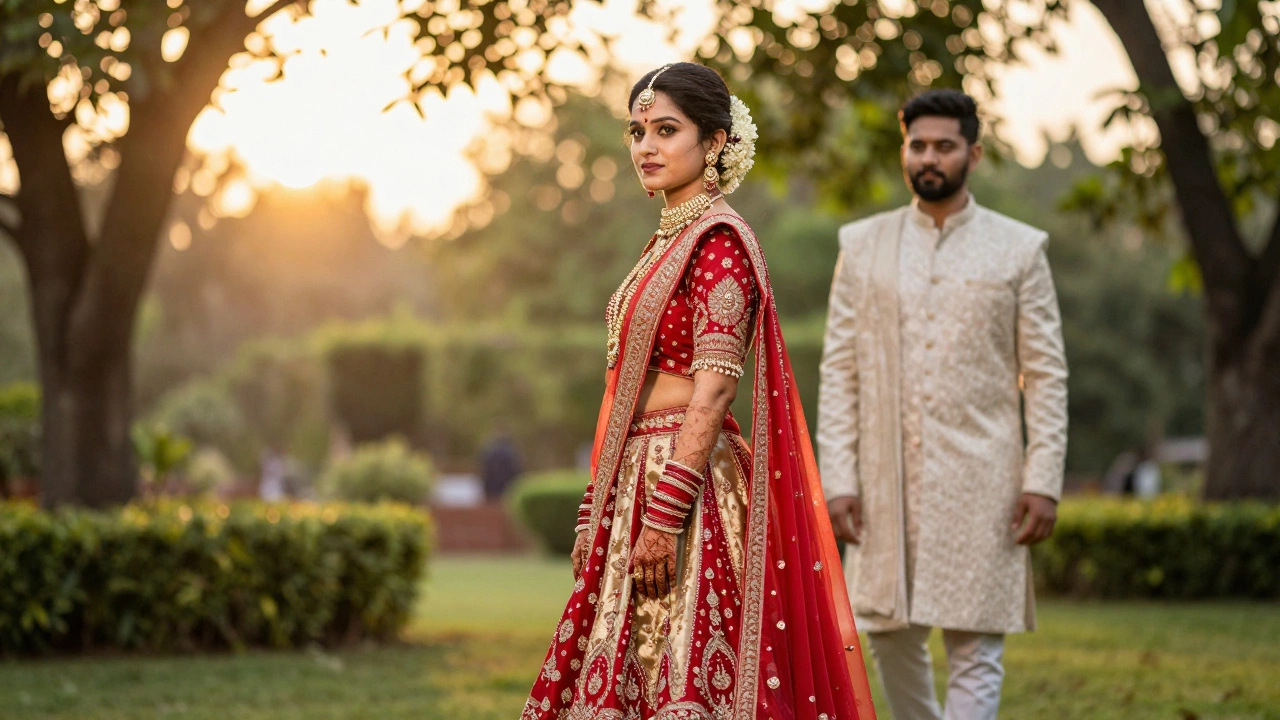
Additionally, many couples choose to do a "first look" during their pre-wedding shoot. This is a private moment where they see each other before the public event. For this to work smoothly, both partners need to be fully prepared. If the bride starts first, she can be ready and waiting, creating a seamless transition into the emotional reveal. If the groom starts first, he might end up waiting alone, which kills the momentum of the surprise.
Scenario-Based Timelines
Not every couple follows the same script. Your timeline should depend on your specific setup. Here are three common scenarios and how they affect who goes first.
- The Single Location Setup: If you and your partner are getting ready in the same house or suite, the bride should definitely start first. Use the second room for the groom and his party. This allows the photographer to capture both groups simultaneously without moving equipment constantly. The bride’s longer process fills the time while the groom’s shorter process concludes just as the bride finishes.
- The Split Location Setup: If you are getting ready at different places (e.g., bride at a hotel, groom at home), timing becomes critical. You must calculate travel time. If the bride lives further away, she might need to start earlier to arrive at the meeting point on time. In this case, the "who goes first" rule shifts to "who leaves first." Coordinate with your wedding coordinator to ensure both parties converge at the right moment.
- The Salon vs. Home Setup: Some brides prefer to get their hair and makeup done at a professional salon, while others prefer the comfort of home. Salons often run on strict schedules. If you book a salon slot, you must adhere to their timing. If the salon is far, start early. If you are doing it at home, you have more control, but you still need to respect the duration of the services. Don’t underestimate how long hair drying takes!
The "First Look" Factor
The concept of a first look has revolutionized wedding timelines. Traditionally, couples didn’t see each other until they walked down the aisle. Today, many couples choose to meet beforehand to reduce anxiety and allow for more couple portraits during the day.
If you plan a first look, the bride almost always gets ready first. Why? Because the first look is usually staged with the groom approaching the bride. She needs to be stationary, composed, and ready for the photographer to capture her reaction. If the groom were ready first, he would have to stand still and wait, which can feel awkward and static. Having the bride ready first allows the groom to walk in, creating movement and emotion in the photos.
Furthermore, if you skip the first look and save it for the aisle, the bride still gets ready first. The only difference is that the timeline is tighter because you have less time for couple photos after the ceremony. This makes the morning efficiency even more crucial.
| Scenario | Who Starts First? | Pros | Cons |
|---|---|---|---|
| Bride First | Bride | Allows for detailed bridal shots; groom can relax while waiting; smooth first look. | Groom may feel left out if not engaged; requires more space for simultaneous prep. |
| Groom First | Groom | Good if bride’s routine is quick (natural makeup); groom can help with logistics. | Risk of bride rushing; groom may wait too long; less intimate bride-focused content. |
| Simultaneous | Both | Efficient use of time; captures group dynamics well. | Requires large space; potential for noise/distraction; harder to focus on individuals. |
Tips for a Stress-Free Morning
To make sure your bridal beauty routine runs smoothly, consider these practical tips:
- Buffer Time: Always add 15-20 minutes of buffer time to your estimated makeup duration. Unexpected issues happen-a smudge here, a flyaway there. Better to be early than late.
- Lighting Check: Ensure your makeup artist works in natural light if possible. Harsh indoor bulbs can distort colors, leading to mismatched tones. Position mirrors near windows.
- Outfit Changes: If you are changing outfits during the pre-wedding shoot, plan the makeup to suit the first outfit. It is easier to intensify makeup than to remove it halfway through.
- Communication: Share your timeline with your photographer, makeup artist, and planner. Everyone needs to know who is doing what and when. Miscommunication is the enemy of good photos.
- Snacks and Water: Keep water and light snacks handy. Dehydration affects skin appearance, and low blood sugar leads to irritability. Happy people look better in photos.
Common Mistakes to Avoid
Even with the best intentions, things can go sideways. Here are the most common pitfalls:
Underestimating Hair Time: Many brides forget that hair styling is not instantaneous. Complex updos take time. If you want intricate braids or curls, start earlier. Don’t assume 30 minutes is enough for a full head of styled hair.
Ignoring Travel Logistics: If your makeup artist is traveling to you, account for their commute. If you are traveling to them, account for yours. Traffic in cities like Birmingham or London can add significant delays. Build in extra time for transit.
Skipping the Trial Run: Always do a makeup trial before the big day. This helps determine exactly how long the process takes and allows you to adjust the timeline based on reality, not estimates.
Forgetting Touch-Ups: Plan for touch-ups between sessions. Even the best makeup needs refreshing after an hour of talking, eating, or walking outdoors. Have a kit ready with blotting papers, powder, and lipstick.
Final Thoughts on Coordination
Ultimately, whether the bride gets makeup done first depends on your personal preferences and logistical constraints. However, in most cases, prioritizing the bride’s beauty routine ensures a smoother flow for the rest of the day. It allows for better photography, reduced stress, and more time for connection rather than coordination.
Remember, the goal of the morning is not just to look good-it is to feel good. When you eliminate the guesswork about timing, you free up mental space to enjoy the moment. Talk to your wedding planner, share this timeline with your team, and trust the process. Your photos will thank you.
How long does bridal makeup typically take?
Bridal makeup usually takes between 60 to 90 minutes. This includes skin preparation, foundation, eye makeup, lashes, and setting. If hair styling is included, add another 60 to 90 minutes depending on the complexity of the style.
Can the groom get ready before the bride?
Yes, the groom can get ready before the bride, especially if he has a simple routine. However, it is generally recommended that the bride starts first due to the longer duration of her beauty process. If the groom goes first, he should start significantly earlier to avoid waiting around.
What is a "first look" in wedding photography?
A first look is a private moment where the couple sees each other for the first time on their wedding day, before the ceremony. It allows for intimate photography and reduces pre-ceremony jitters. The bride is typically ready first for this scenario.
Should I do a makeup trial before my wedding?
Absolutely. A makeup trial helps you decide on the look, ensures the products suit your skin, and gives you a realistic idea of how long the process takes. This information is crucial for building an accurate timeline.
How does the timeline differ for pre-wedding shoots vs. wedding days?
Pre-wedding shoots offer more flexibility as there is no fixed ceremony time. However, the principle remains the same: the person with the longer beauty routine (usually the bride) should start first to maximize shooting time and minimize waiting. Wedding days require stricter adherence to timelines due to vendor schedules and venue constraints.