How Much Does It Cost to Record a Song in Studio in India? (2026 Guide)
 Jun, 26 2026
Studio Recording Cost Estimator (India 2026)
Configuration
Total Estimated Cost
Approximate range for your project
Breakdown of Costs
- Studio Rental (/hr) ₹0
- Mixing Engineer Fee ₹0
- Mastering Fee ₹0
- Session Musician ₹0
Select your preferences and click Calculate to see the estimate.
You’ve written the lyrics. You’ve got the melody stuck in your head. Now comes the part that makes every independent artist’s stomach drop: the studio bill. How much does it actually cost to record a song in a professional studio in India in 2026? The answer isn’t a single number. It depends on whether you’re booking a basement room in Mumbai or a world-class facility in Chennai, and whether you need just vocal tracking or a full orchestral arrangement.
If you are looking for a quick baseline, expect to pay between ₹5,000 and ₹15,000 per hour for mid-tier commercial studios in major metros like Mumbai, Delhi, and Bangalore. For smaller indie spaces or home-studio hybrids, you might find rates as low as ₹1,500 per hour. However, the hourly rate is only half the story. Mixing, mastering, and engineer fees often double or triple that initial figure. This guide breaks down exactly where your money goes, so you can budget accurately without getting surprised by hidden charges.
Understanding the Pricing Tiers in Indian Studios
Not all studios are created equal, and their pricing reflects their equipment, location, and reputation. In the Indian market, we generally see three distinct tiers of recording facilities.
The first tier consists of Budget Home Studios Small, often residential setups equipped with basic interfaces and microphones. These are popular among beginners and podcasters. They typically charge ₹800 to ₹2,000 per hour. The gear here is usually entry-level-think Focusrite Scarlett interfaces and Audio-Technica AT2020 microphones. While affordable, these rooms often lack proper acoustic treatment, which can lead to recordings that sound boxy or echoey, requiring expensive fixes later during mixing.
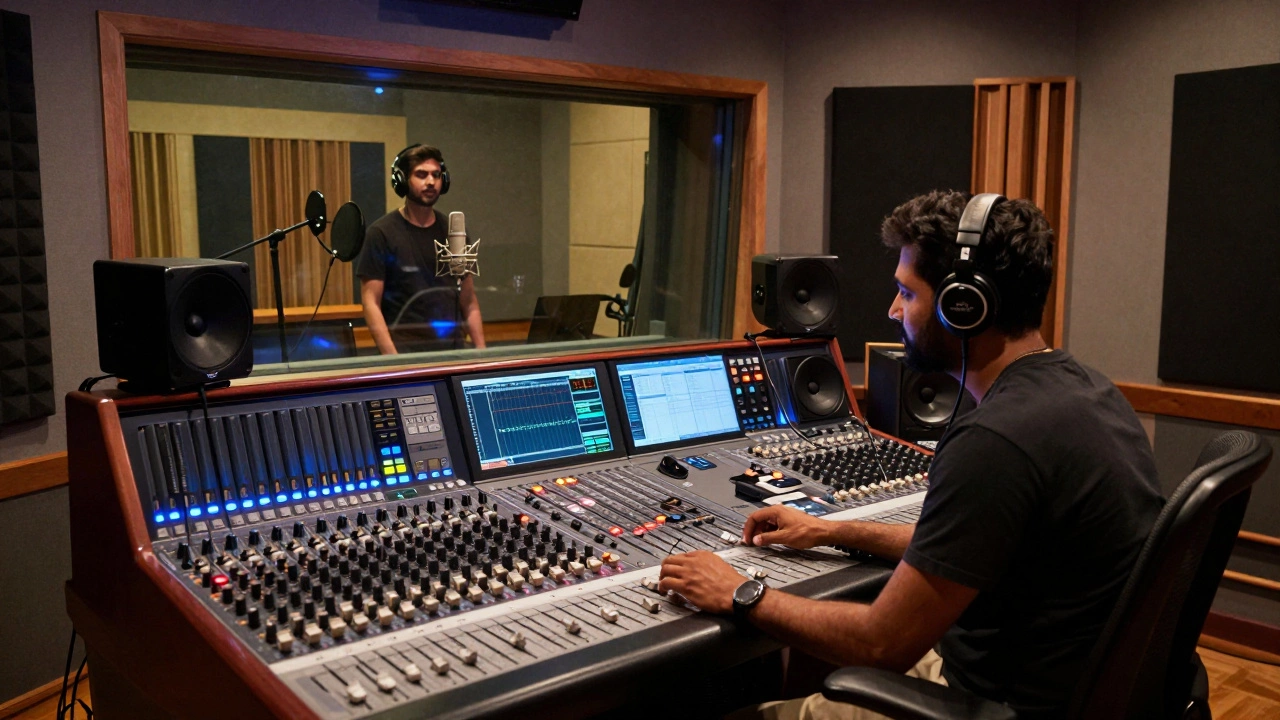
The second tier is the Mid-Tier Commercial Studio Professional facilities with treated live rooms, high-end consoles, and experienced engineers. This is where most serious independent artists record. Rates range from ₹4,000 to ₹12,000 per hour. These studios offer acoustically treated isolation booths, premium microphones like Neumann U87s, and analog preamps. You are paying for sound quality and an engineer who knows how to get a clean take quickly.
The third tier includes Premium Film & Music Studios High-end facilities used for Bollywood films and international productions. Found in hubs like Mumbai’s Juhu or Andheri areas, these studios charge ₹20,000 to ₹50,000+ per hour. They feature massive live rooms capable of accommodating full bands or orchestras, vintage console mixes, and top-tier sound engineers. Unless you have a label backing you, this tier is rarely necessary for a standard pop or rock single.
Breaking Down the Hidden Costs Beyond Hourly Rates
Many artists book a studio based on the hourly rate but forget about the ancillary costs. These "hidden" fees can easily add ₹10,000 to ₹30,000 to your total bill if you aren’t prepared.
- Engineer Fees: Some studios include the engineer’s fee in the hourly rate; others charge separately. A skilled mix engineer might charge ₹15,000 to ₹50,000 per song for mixing alone. If you hire a separate producer, expect to pay another ₹20,000 to ₹1,00,000 depending on their fame.
- Mixing and Mastering: Recording is just capturing the sound. Mixing balances the levels, EQ, and effects. Mastering prepares the track for streaming platforms. Budget ₹5,000 to ₹15,000 for mixing and ₹3,000 to ₹10,000 for mastering per track at reputable facilities.
- Musician Rentals: If you don’t play an instrument, you’ll need to hire session musicians. A guitarist might charge ₹5,000 to ₹15,000 for a day’s work. Drummers and keyboardists follow similar pricing structures.
- Backing Tracks vs. Live Instruments: Using pre-made MIDI tracks or virtual instruments is cheaper than hiring live players. However, live instrumentation adds organic feel and value, which justifies the higher cost.
Always ask for a detailed quote before stepping into the studio. A transparent studio will provide a breakdown of hourly rates, engineer fees, and post-production costs upfront.
Regional Differences: Where Should You Record?
Location plays a significant role in pricing. Mumbai remains the epicenter of the Indian music industry, particularly for Bollywood and Hindi pop. Consequently, prices in Mumbai are generally 20-30% higher than in other cities due to demand and real estate costs.
Delhi NCR offers a robust alternative with many high-quality studios in South Delhi and Gurgaon. Prices here are competitive, often ranging from ₹3,000 to ₹10,000 per hour for mid-tier options. Bangalore has emerged as a hub for indie rock, electronic, and fusion music. The city boasts some excellent studios with modern digital workflows, and prices are slightly lower than Mumbai, averaging ₹2,500 to ₹9,000 per hour.
Chennai is the heart of Carnatic and film music in South India. If you are recording classical or Tamil/Telugu songs, Chennai offers specialized expertise and reasonable rates, typically between ₹2,000 and ₹8,000 per hour. Kolkata also has a rich musical heritage with affordable studios, though fewer large-scale commercial facilities compared to Mumbai.
| City | Budget Tier (Per Hour) | Mid-Tier (Per Hour) | Premium Tier (Per Hour) | Best For |
|---|---|---|---|---|
| Mumbai | ₹1,500 - ₹3,000 | ₹6,000 - ₹15,000 | ₹25,000+ | Bollywood, Pop, Hip-Hop |
| Delhi NCR | ₹1,200 - ₹2,500 | ₹4,000 - ₹10,000 | ₹20,000+ | Indie, Rock, Punjabi |
| Bangalore | ₹1,000 - ₹2,000 | ₹3,000 - ₹9,000 | ₹18,000+ | Electronic, Fusion, Indie |
| Chennai | ₹1,000 - ₹2,000 | ₹2,500 - ₹8,000 | ₹15,000+ | Carnatic, Classical, South Films |
DIY vs. Professional Studio: Is It Worth the Investment?
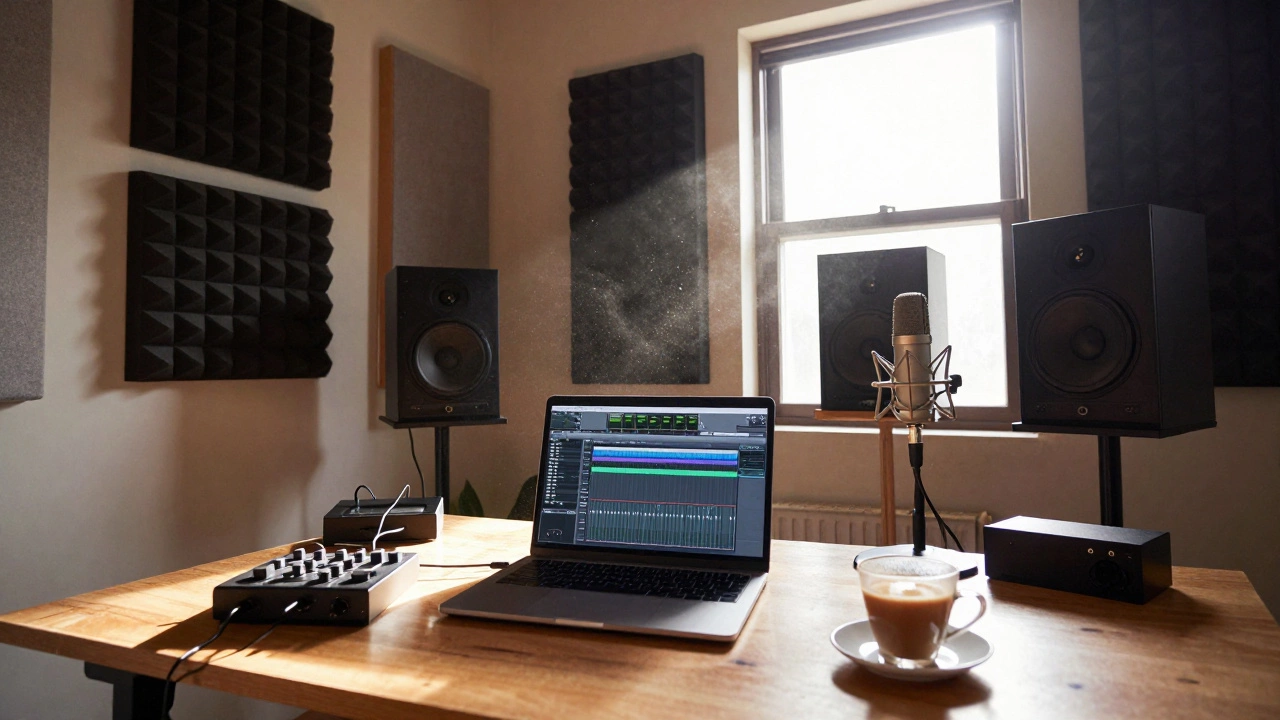
With the rise of affordable audio interfaces and DAWs (Digital Audio Workstations) like Logic Pro, Ableton Live, and FL Studio, many artists choose to record at home. A basic home setup can be assembled for under ₹20,000, including a USB microphone, interface, headphones, and software.
However, DIY recording has limitations. The biggest challenge is acoustics. Treating a room properly requires bass traps, diffusion panels, and absorption materials, which can cost more than the gear itself. Without proper treatment, your vocals may sound muddy or harsh. Additionally, self-recording means you wear two hats: performer and engineer. This split focus can compromise performance quality.
Professional studios solve these problems. They offer acoustically optimized environments, high-end gear that colors sound positively, and an objective ear to guide your performance. For a debut single or a project intended for commercial release, the investment in a professional studio often pays off in listener retention and credibility.
How to Negotiate and Save Money
You don’t have to break the bank to get great results. Here are practical tips to manage your studio budget effectively.
- Prepare Thoroughly: Studio time is expensive. Rehearse your parts until they are muscle memory. Arrive with your tempo maps, chord charts, and reference tracks ready. Every minute spent figuring out what to do next is money wasted.
- Book Off-Peak Hours: Many studios offer discounts for weekday mornings or late-night slots. If you are a night owl, you might save 10-20% on your hourly rate.
- Bundle Services: Ask if the studio offers package deals for recording, mixing, and mastering. Bundling often reduces the overall cost compared to paying for each service separately.
- Limit Overdubs: Plan your arrangements carefully. Each additional layer (guitar, synth, percussion) requires extra tracking time. Stick to the essentials unless the song truly needs complexity.
- Build Relationships: If you plan to release multiple singles or an album, negotiate a long-term rate. Studios appreciate recurring clients and may offer loyalty discounts.
Choosing the Right Engineer
The engineer is arguably more important than the gear. A great engineer can make a cheap microphone sound expensive through technique and processing. When selecting a studio, listen to their portfolio. Do they work with genres similar to yours? Do their mixes sound clear, balanced, and dynamic?
Ask questions during your consultation. What is their workflow? Do they use analog summing or purely digital mixing? How many revisions are included in the mixing fee? A good engineer will communicate clearly and set realistic expectations about timelines and costs.
In 2026, the Indian music scene is more vibrant than ever. With thousands of new releases hitting Spotify and YouTube daily, standing out requires quality production. By understanding the true cost of recording-from hourly rates to hidden fees-you can allocate your budget wisely and create a song that resonates with listeners.
What is the average cost to record one song in India?
For a typical 3-4 minute pop or rock song, expect to spend between ₹25,000 and ₹75,000. This includes 5-10 hours of studio time, basic mixing, and mastering. Prices vary significantly based on location, studio tier, and whether you hire session musicians.
Do I need to bring my own equipment to the studio?
No, professional studios provide all necessary recording equipment, including microphones, preamps, and monitoring systems. You should bring your own instruments (like guitars or keyboards) if you prefer specific models, but the studio handles the audio capture chain.
Is it cheaper to record vocals or instruments?
Vocals are generally faster to record if you are well-prepared, as they require less setup time. Instrumental tracks, especially drums, may take longer due to mic placement and tuning. However, vocal sessions often involve more takes and comping, which can extend time. Ultimately, preparation matters more than the type of source.
Can I record a full band in a small studio?
Most small studios lack the space for a full band to play simultaneously without bleed. Instead, bands typically record individually: drums first, then bass, guitars, and finally vocals. This approach allows for cleaner isolation and easier editing but requires more studio hours.
What happens if I exceed my booked studio time?
Studios usually charge pro-rata for extra time, often at the same hourly rate. Some may offer a grace period of 15-30 minutes. To avoid unexpected costs, discuss overtime policies beforehand and build buffer time into your schedule for breaks and technical issues.