How Much to Charge for a 30 Minute Photo Session in India
 Apr, 14 2026
Photography Session Profit Calculator
Session Details
Hidden Time (Minutes)
Profit Analysis
Actual Hourly Rate
The short answer is that there is no single magic number, but for a 30-minute candid session in India, most freelancers charge anywhere from ₹2,500 to ₹7,500 depending on their experience and the city they operate in. Let's break down how to actually land on a number that makes sense for your bank account and your clients' budgets.
Quick Pricing Guide
- Beginner: ₹1,500 - ₹3,000 (Building a portfolio, limited gear)
- Intermediate: ₹3,500 - ₹7,000 (Proven style, professional gear, steady client base)
- Pro: ₹8,000+ (High demand, specialized niche, luxury branding)
Wait, why is the range so wide? Because a 30-minute session in a small town in Kerala is priced differently than a 30-minute high-fashion candid shoot in South Mumbai. You have to account for your local market's purchasing power and your own overhead costs.
The Hidden Math of a Short Session
A common mistake photographers make is thinking that a 30-minute shoot only takes 30 minutes. In reality, it's a multi-hour process. To price correctly, you need to look at the Cost of Doing Business (CODB). This is the minimum amount you need to earn to cover your expenses and make a living wage.
Consider this timeline for a single "30-minute" session:
- Pre-shoot: 30 minutes (Client communication, location scouting, gear prep)
- Travel: 60-90 minutes (Getting to the location and back)
- The Shoot: 30 minutes (The actual clicking)
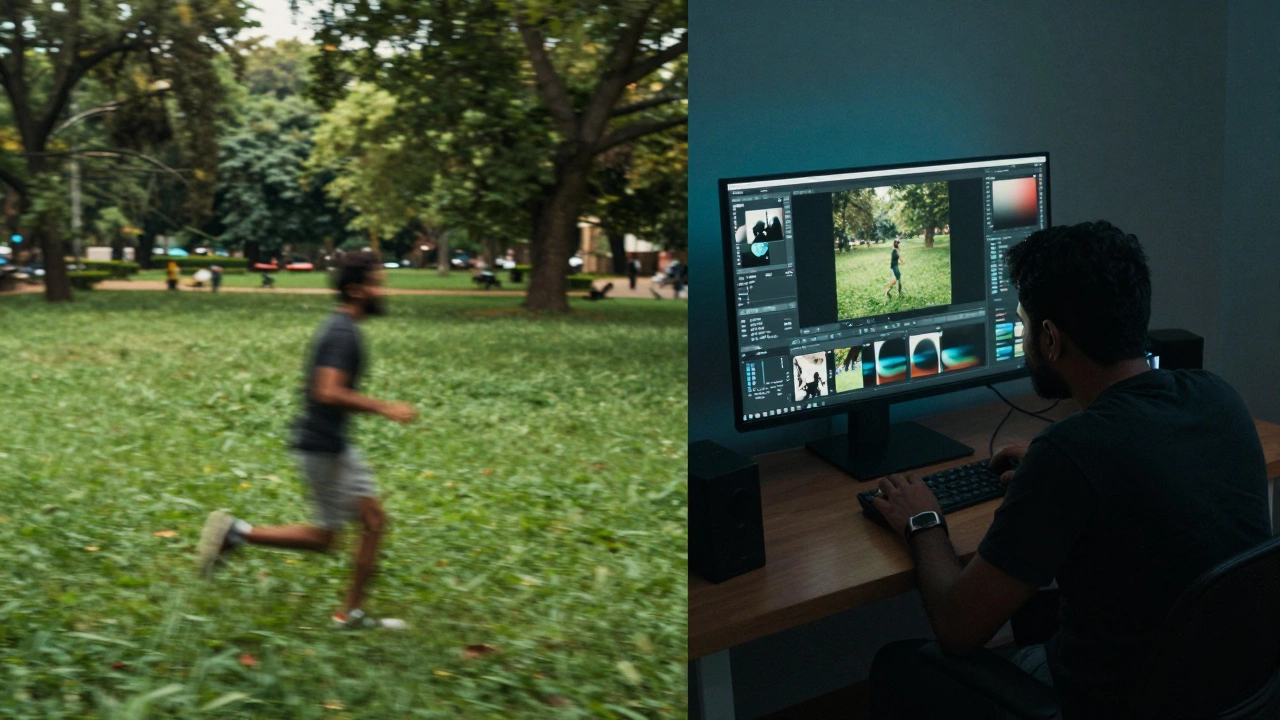
- Culling & Editing: 2-3 hours (Selecting the best frames and retouching)
- Delivery: 15 minutes (Uploading to a gallery or sending a link)
Pricing Based on the Type of Candid Photography
Not all "short sessions" are equal. The value you provide depends on what the client needs the photos for. A casual portrait session is different from a corporate branding shoot.
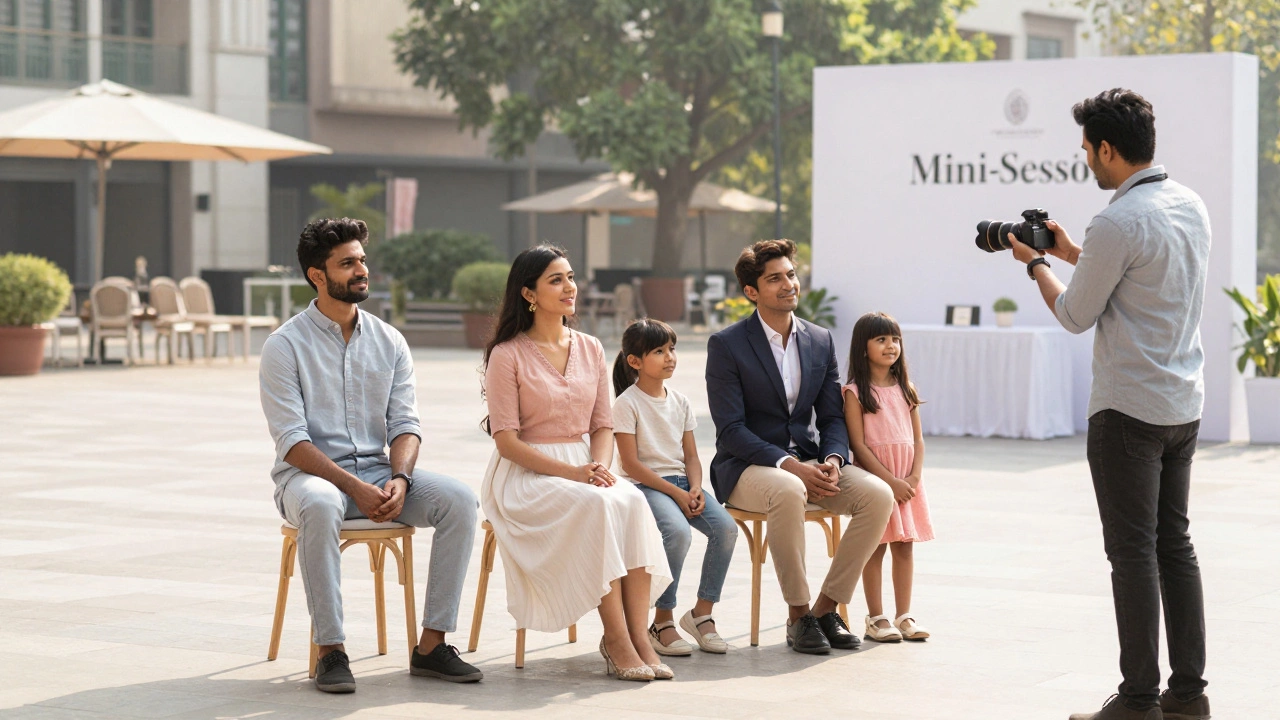
For Candid Photography, which focuses on capturing genuine, unposed moments, the value lies in your ability to anticipate a moment before it happens. This requires more skill than a posed portrait. If you are doing a "Mini Session"-like a quick maternity shoot or a couple's anniversary snap-you can offer a lower entry price because you're likely doing 5 or 6 of these in one day at the same location, which cuts down your travel time.
| Session Type | Average Price (30 Min) | Deliverables | Value Driver |
|---|---|---|---|
| Casual Portrait | ₹2,000 - ₹4,000 | 5-10 Edited Photos | Personal Memory |
| Corporate/LinkedIn | ₹3,000 - ₹6,000 | 3-5 High-end Retouched | Professional Brand |
| Event "Pop-up" | ₹5,000 - ₹10,000 | 15-20 Candid Shots | Speed & Skill |
| Family Mini-Session | ₹2,500 - ₹5,000 | 10-15 Edited Photos | Emotional Value |
How to Structure Your Packages
Instead of just giving one price, give the client options. This moves the conversation from "Can I afford this?" to "Which of these fits me best?" Even for a 30-minute session, you can create tiers.
The Basic Tier: This is your "hook." Maybe it's ₹3,000 for 30 minutes and 5 edited photos. It's great for people who just want a few profile pictures.
The Standard Tier: ₹5,000 for 30 minutes, 15 edited photos, and a wider variety of looks. This is where most of your clients will land.
The Premium Tier: ₹8,000 for 30 minutes, all the best shots (25+), and a faster 24-hour turnaround. You're charging for the convenience and the volume of work.
Using this method allows you to capture different segments of the market. Someone on a budget can still hire you, but someone who wants the "VIP treatment" can pay you more for the same 30 minutes of shooting.
Avoiding the "Discount Trap"
You'll always find someone willing to do it for ₹500. If you try to compete with the cheapest person in your city, you'll burn out. Your pricing should reflect your Brand Positioning. Are you a budget-friendly neighborhood photographer or a luxury visual storyteller?
When a client asks for a discount, don't just lower the price. Instead, reduce the deliverables. If they want the ₹5,000 session for ₹3,000, tell them: "I can do that, but instead of 15 edited photos, I can provide 5." This protects the value of your time. If you just drop the price, you're telling the client that your work wasn't actually worth the original amount.
The Logistics of Mini-Sessions
If you want to make the 30-minute model highly profitable, you need to batch them. This is called a Mini-Session event. Instead of traveling to five different locations on five different days, pick one beautiful park or a cool urban street in a city like Bangalore or Delhi. Book five clients in back-to-back 30-minute slots.
This eliminates travel time and setup time. You stay in the "flow state" with your lighting and camera settings, making you faster and more efficient. By doing this, you can actually lower the price slightly for the client while increasing your hourly profit because you've removed the overhead of traveling and prepping multiple times.
Final Checklist for Setting Your Price
Before you send that quote to your next client, run through these points to make sure you aren't underselling yourself:
- Gear Depreciation: Are you accounting for the fact that your DSLR or mirrorless camera has a shutter life and needs upgrading every few years?
- Software Costs: Your subscription to editing tools isn't free.
- Tax: If you're registered for GST, remember that the price the client pays isn't all yours.
- Portfolio Value: If the shoot is for a high-profile client that will bring you more business, you might offer a "portfolio discount." If it's a boring project, charge full price.
Is 30 minutes really enough time for a good shoot?
Yes, but only if there is a plan. 30 minutes is perfect for a focused session where the goal is clear (e.g., a few headshots or a quick couple's session). It's not enough for a full-blown fashion editorial or a complex product shoot. The key is to communicate the vision to the client beforehand so you don't waste time deciding on poses during the clock.
Should I include all the raw photos in a 30-minute session?
Absolutely not. Giving away RAW files is like a chef giving a customer raw ingredients instead of a cooked meal. It looks unprofessional and exposes the "unpolished" side of your work. Always deliver curated, edited JPEGs. If the client insists on all photos, charge a significant "buyout fee" for the unedited archive.
How do I handle travel fees for short sessions?
For a 30-minute shoot, travel can easily take more time than the actual photography. The best practice is to have a "base zone" (e.g., 5km from your studio) where travel is free. Anything outside that zone should incur a flat fee per kilometer or a fixed travel charge (e.g., ₹500 extra) to ensure you aren't losing money on fuel and time.
What is a fair number of photos to deliver for 30 minutes of work?
Typically, 5 to 15 high-quality edited images are standard. Because it's a short session, the client doesn't expect a hundred photos; they expect the best ones. Delivering too many photos can actually lower the perceived value of your work and make the client feel overwhelmed.
Do I need a deposit for a short session?
Yes. Even for a small ₹3,000 shoot, a 25% to 50% non-refundable deposit is essential. No-shows are a huge problem for photographers. A deposit ensures the client is committed and covers your basic time and travel costs if they cancel at the last minute.