Ideal Studio Size in India: Space Planning for Photographers
 Jul, 28 2026
Photography Studio Space Planner
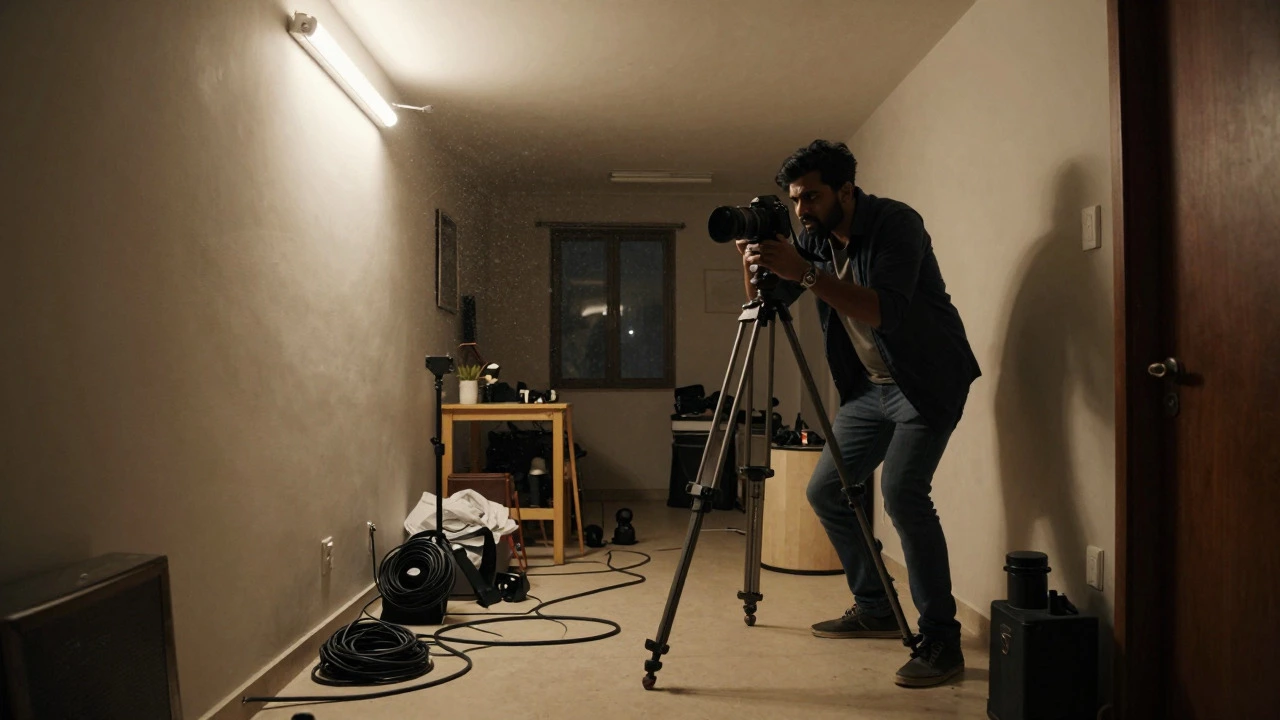
You walk into a cramped room with flickering lights and tangled cables. The camera feels heavy because there is nowhere to move the tripod legs. This is the nightmare of every photographer who underestimated their space needs. Getting the ideal studio size right is not just about square footage; it is about workflow, lighting geometry, and future growth. In India, where real estate prices vary wildly between Mumbai’s high-rises and Bangalore’s suburbs, knowing exactly how much space you need can save you lakhs in rent or renovation costs.
The answer depends entirely on what you shoot. A portrait shooter needs different clearance than a product photographer shooting for Amazon. Let’s break down the math behind the magic so you can plan your space with confidence.
The Golden Rule: Working Distance Matters More Than Floor Area
Many beginners think a 10x10 foot room is enough because they see small setups online. They forget that light modifiers need distance to soften. If you place a softbox too close to your subject, the light becomes harsh and unflattering. To get that creamy, professional look, you need working distance.
Here is the rule of thumb: You need at least 6 to 8 feet from the light to the subject, and another 4 to 6 feet from the subject to the background (if using a seamless backdrop). Add another 3 feet for yourself to move around with a camera. That means even a simple one-light portrait setup requires a room that is roughly 15 feet long. If your ceiling is low, say 8 feet, you lose vertical flexibility, forcing you to use smaller modifiers, which limits your creative control.
Minimum Viable Studio Sizes by Genre
Not all studios are created equal. Your genre defines your spatial constraints. Here is how different types of photographers should calculate their ideal footprint.
| Photography Type | Minimum Dimensions (ft) | Ideal Dimensions (ft) | Key Spatial Requirement |
|---|---|---|---|
| Product / Macro | 8 x 8 | 10 x 10 | Stable table space, controlled lighting angles |
| Portrait (Headshots) | 10 x 12 | 12 x 15 | Distance for soft lighting, chair placement |
| Full-Body Portrait / Fashion | 12 x 15 | 15 x 20 | Long focal lengths require more distance |
| Family / Group | 15 x 20 | 20 x 25+ | Wide angle lens clearance, seating arrangements |
| Automotive / Large Props | 20 x 30 | 30 x 40+ | Vehicle maneuvering, large reflectors |
If you are starting with product photography, an 8x8 foot corner of your living room might suffice. You can build a light tent or use a small table. However, if you plan to shoot fashion, you need length. Why? Because to compress the background and isolate your subject, you often use longer lenses like 85mm or 135mm. These lenses require physical distance between you and the model. Without that length, you have to step back until you hit the wall, ruining the shot.
Ceiling Height: The Hidden Constraint
In many Indian apartments, especially older buildings in cities like Delhi or Kolkata, ceiling heights hover around 9 to 10 feet. This seems fine until you try to mount overhead lights. High ceilings (12+ feet) allow you to hang large softboxes or beauty dishes above the subject, creating natural-looking top-down lighting without shadows falling on the floor. Low ceilings force you to use stands, which take up floor space and create trip hazards.
If you are renovating a home studio, consider dropping the ceiling in specific zones to hide air conditioning ducts or wiring, but keep the main shooting area open. Alternatively, use grid-cloth systems that attach to walls rather than floors to save precious square footage.
Layout Efficiency: Making Small Spaces Work
Space is expensive. Whether you are paying rent in South Mumbai or buying land in Pune, every square foot counts. Efficient layout is crucial.
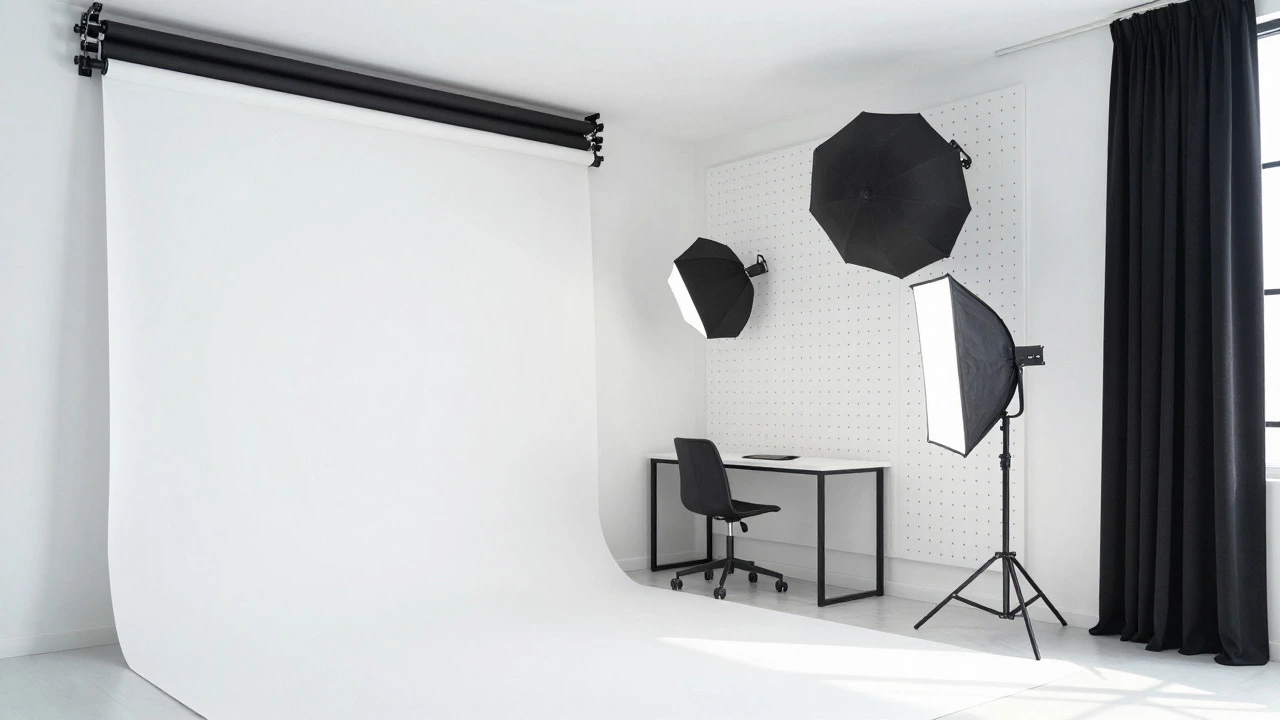
- Corner Shooting: Place your backdrop roll in a corner. This allows you to shoot both directions without moving equipment. It effectively doubles your usable width.
- Folding Furniture: Use tables and chairs that fold flat against the wall. When not in use, clear the floor completely for full-body shots.
- Vertical Storage: Install pegboards on walls for holding reflectors, umbrellas, and cables. Keep the floor clear to prevent tripping and make cleaning easier.
- Multifunctional Zones: Designate a small area for editing. A laptop desk tucked in a corner keeps the computer away from dust and heat generated by strobes.
A common mistake is placing the editing station in the middle of the studio. Computers generate heat and attract dust, which is bad for sensitive electronics. Plus, sitting in front of a screen blocks light paths. Keep workstations peripheral.
Power and Cooling: Infrastructure Needs
Lighting rigs draw significant power. A typical monolight draws 300-600 watts. Running four lights simultaneously can spike your circuit load. In India, voltage fluctuations are common. Ensure your studio has dedicated circuits for lighting equipment. Use heavy-duty extension cords with proper grounding to avoid frying your gear.
Heat management is critical. Strobes and continuous LED panels emit heat. In humid climates like Chennai or Hyderabad, this can make the studio unbearable within minutes. Install exhaust fans or split AC units. Remember, AC units also need space-either on the wall or outside. Factor this into your structural planning.
Future-Proofing Your Space
Start small, but plan big. Many photographers begin with headshots and later expand to weddings or e-commerce catalogs. If you lease a space, negotiate a clause that allows minor modifications. If you are building at home, choose neutral paint colors (white or light gray) that reflect light well and hide minor scuffs. Avoid dark walls unless necessary for video production, as they absorb light and make small rooms feel smaller.
Consider modular backdrops. Instead of painting permanent sets, use portable vinyl rolls. They are cheaper, easier to replace, and don’t commit you to a single aesthetic. This flexibility is vital when client demands change rapidly.
Budget vs. Space Trade-offs
In tier-2 cities like Jaipur or Indore, you might find larger spaces for lower rents compared to metro hubs. However, travel time for clients increases. Balance location convenience with space availability. A slightly smaller studio in a central location may yield more bookings than a cavernous space in a remote industrial area.
Calculate your cost per square foot against expected revenue. If a 20x20 foot studio costs ₹50,000/month and you book only two sessions a week, the economics fail. A 12x15 foot studio at ₹20,000/month might be more profitable due to lower overheads. Always align space size with realistic booking capacity.
Acoustics and Light Control
Soundproofing adds bulk. Foam panels and bass traps reduce noise but eat up wall space. If you plan to do video interviews or voiceovers alongside photos, prioritize acoustic treatment early. Seal windows and doors to block street noise, which is prevalent in urban Indian neighborhoods.
Light leaks are another issue. Blackout curtains are essential. Even small gaps under doors can ruin long-exposure shots. Invest in thick, opaque drapes that cover entire window spans. This gives you total control over ambient light, allowing you to shoot day or night with consistent results.
Legal and Zoning Considerations
Before setting up, check local municipal regulations. Some residential societies in India prohibit commercial activities. Verify if your apartment complex allows client visits during odd hours. Noise complaints from neighbors can shut down your business quickly. Maintain good relations with neighbors by limiting late-night shoots or loud music during video productions.
Fire safety is paramount. Store flammable materials like paper backrolls away from heat sources. Keep fire extinguishers accessible. Insurance providers often require compliance with basic safety standards before covering equipment damage.
Conclusion: Start Smart, Scale Gradually
The ideal studio size is the smallest space that comfortably accommodates your current workflow while leaving room for one major upgrade. Don’t rent a warehouse if you only shoot portraits. Don’t squeeze into a closet if you want to shoot families. Measure twice, cut once. Plan your lighting positions, test your lenses’ minimum focus distances, and visualize your movement patterns. With careful planning, even a modest space can produce world-class images.
What is the minimum size for a home photography studio?
The absolute minimum for a functional home studio is 8x8 feet (64 sq ft) for product photography. For portraits, aim for at least 10x12 feet (120 sq ft) to allow proper lighting distance and subject comfort.
How high should the ceiling be for a photography studio?
A minimum ceiling height of 9 feet is acceptable, but 10-12 feet is ideal. Higher ceilings allow for overhead lighting setups and better air circulation, reducing heat buildup from strobes.
Can I convert my bedroom into a photography studio?
Yes, provided it meets the minimum dimension requirements. Remove bulky furniture, install blackout curtains, and ensure adequate electrical outlets. Be mindful of noise levels if neighbors share walls.
Is it better to rent a shared studio or build my own?
Renting is better for beginners testing the market. Building your own offers long-term savings and customization but requires higher upfront investment. Consider your budget and projected client volume.
How much does it cost to set up a small studio in India?
A basic setup with lighting, backdrop, and minimal decor can range from ₹50,000 to ₹1.5 lakh depending on equipment quality. Rent varies significantly by city, from ₹10,000 in tier-2 cities to ₹50,000+ in metros.