Is Event Photography Profitable in India? A Realistic Breakdown
 Sep, 15 2026
Event Photography Profitability Calculator
Stop guessing your rates. Enter your gig details below to see if you are actually making a profit after considering editing time, gear costs, and taxes.
Net Profit Per Event
Effective Hourly Rate
Profit Margin
Total Work Hours:
Allocated Monthly Costs:
Gear Depreciation:
Taxes Paid:
You just bought a new camera body and two lenses. You shot your cousin’s wedding last weekend, edited the photos until 3 AM, and sent them over with a smile. But when you check your bank account, the math doesn’t quite add up. This is the silent crisis facing thousands of aspiring photographers across India every single month. The question isn't whether people want photos-they absolutely do. The real question is: is event photography profitable enough to pay your rent, feed your family, and maybe even let you upgrade that lens next year?
The short answer is yes, but with a massive asterisk. It is not a passive income stream where you snap pictures and cash rolls in. It is a high-volume, logistics-heavy business that punishes poor planning and rewards operational efficiency. In 2026, the Indian market has matured. Clients are no longer impressed by just "having a camera." They expect speed, quality, and professionalism. If you treat it like a hobby, you will lose money. If you treat it like a business, the margins can be surprisingly healthy.
The Myth of High Margins vs. Reality
Let’s kill the biggest myth first: photography is not cheap because it involves little material cost. Yes, you don’t buy raw materials like a manufacturer does. But your "materials" are time, energy, and expensive gear that depreciates faster than you think. When clients ask why you charge ₹15,000 for a four-hour corporate event, they see four hours of work. They don’t see the eight hours of editing, the two hours of culling, the hour of client communication, or the insurance on your gear.
To determine profitability, you must calculate your Hourly Rate. Most beginners fail here because they only count shooting time. If you charge ₹2,000 per hour for shooting but spend equal time editing, your effective rate drops to ₹1,000 per hour. Subtract taxes, gear maintenance, travel, and software subscriptions, and you might be earning less than a local café manager. Profitability comes from optimizing the ratio of billable shooting hours to total working hours.
Breaking Down the Costs in the Indian Context
Profit is revenue minus expenses. In India, the expense landscape for photographers is unique due to import duties on electronics and varying service costs. Here is what actually eats into your profit margin:
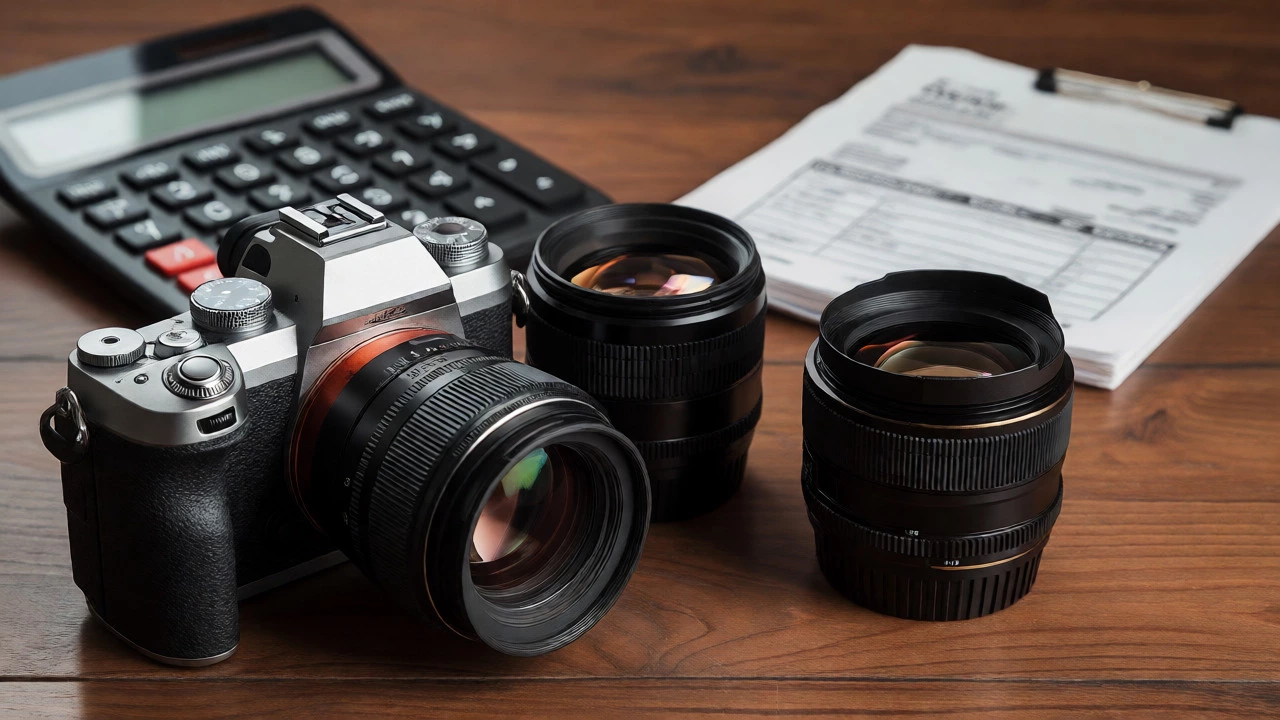
- Gear Depreciation: A professional mirrorless camera setup (body + two fast lenses) costs between ₹1.5 Lakh and ₹3 Lakh. Assuming a 3-year lifespan, this is a hidden monthly cost of ₹4,000-₹8,000. If you don’t set this aside, you’re spending your capital, not your profit.
- Post-Production Tools: Adobe Creative Cloud subscriptions, storage solutions (like Backblaze or local NAS), and color calibration tools add up to roughly ₹1,500-₹2,500 monthly.
- Logistics & Travel: In cities like Mumbai or Delhi, transport costs are significant. Fuel, parking, and sometimes accommodation for outstation events must be billed separately or factored into your base price.
- Insurance & Legal: Equipment insurance is often overlooked but critical. One dropped lens can wipe out three events' worth of profit. Liability insurance for venues is also becoming standard for corporate contracts.
If you ignore these fixed costs, your "profit" is an illusion. You need to cover these before you take home a rupee.
Pricing Strategies That Actually Work
Underpricing is the fastest way to kill profitability. Many photographers in India fall into the trap of competing on price alone, leading to a race to the bottom. Instead, focus on value-based pricing. This means charging based on the perceived value to the client, not just your time.
| Event Type | Duration | Market Rate Range (INR) | Estimated Net Profit Margin |
|---|---|---|---|
| Small Corporate Meeting | 2-4 Hours | ₹8,000 - ₹15,000 | 40-50% |
| Product Launch / Press Event | Full Day (8 Hours) | ₹25,000 - ₹45,000 | 35-45% |
| Wedding (Single Camera) | 10-12 Hours | ₹30,000 - ₹60,000 | 25-35% (High effort) |
| Birthday / Private Party | 3-5 Hours | ₹10,000 - ₹20,000 | 50-60% |
Notice the trend? Weddings bring in big numbers but have lower margins due to extreme workload and emotional labor. Corporate events offer better margins because the workflow is predictable and the post-production load is lighter. To maximize profitability, many successful photographers in India shift their mix toward 60% corporate/events and 40% weddings/private parties.
The Volume Game: How Many Events Do You Need?
Profitability is a function of volume and consistency. You cannot rely on one big wedding a month. You need a pipeline. Let’s look at a realistic scenario for a solo photographer in a Tier-1 city like Bangalore or Hyderabad.
Assume you target a net monthly income of ₹80,000 after covering all personal and business expenses. With an average net profit of ₹12,000 per event (after gear amortization, taxes, and overheads), you need to book roughly 7 events a month. That’s almost two events a week. Is this sustainable? Yes, if you streamline your workflow. If you are spending 10 hours editing each event, you are bottlenecked. The key to scaling profitability is reducing edit time without sacrificing quality.
Workflow Efficiency: The Hidden Profit Lever
Time is your most expensive commodity. Every minute spent on manual tasks is a minute not spent marketing or resting. To boost profitability, you must automate and systematize.
- Culling Software: Tools like Photo Mechanic or Aftershoot use AI to blur-check and duplicate-detect images. This cuts culling time by 70%. For a 2,000-image shoot, saving 3 hours per event adds up to 9 hours a month-essentially one free day off.
- Presets and Actions: Stop editing every photo from scratch. Develop robust Lightroom presets for different lighting conditions (indoor tungsten, outdoor harsh sun). Apply a base preset to 90% of your batch, then tweak only the outliers.
- Outsourcing: Once you hit capacity, outsource basic editing. Platforms like Fiverr or specialized Indian agencies can handle basic color correction for ₹5-₹10 per image. If you charge the client ₹15,000 and outsource editing for ₹1,500, you retain ₹13,500 for your shooting and management skills.
By outsourcing low-value tasks, you increase your hourly output. You are no longer paid for clicking buttons; you are paid for your eye and your brand.
Client Acquisition Costs and Marketing
A common mistake is ignoring Customer Acquisition Cost (CAC). If you run Instagram ads costing ₹5,000 to get one booking worth ₹15,000, your CAC is 33% of revenue. That hurts. Organic growth through referrals and networking is cheaper but slower.
In the Indian context, word-of-mouth remains king. However, relying solely on it limits growth. A hybrid approach works best: maintain a strong social media presence for visibility, but actively network with event planners, decorators, and caterers. These vendors refer clients constantly. Offering them a referral fee (e.g., 5-10% of the invoice) turns them into your sales team. This performance-based marketing ensures you only pay when you earn, protecting your profit margins.
Seasonality and Cash Flow Management
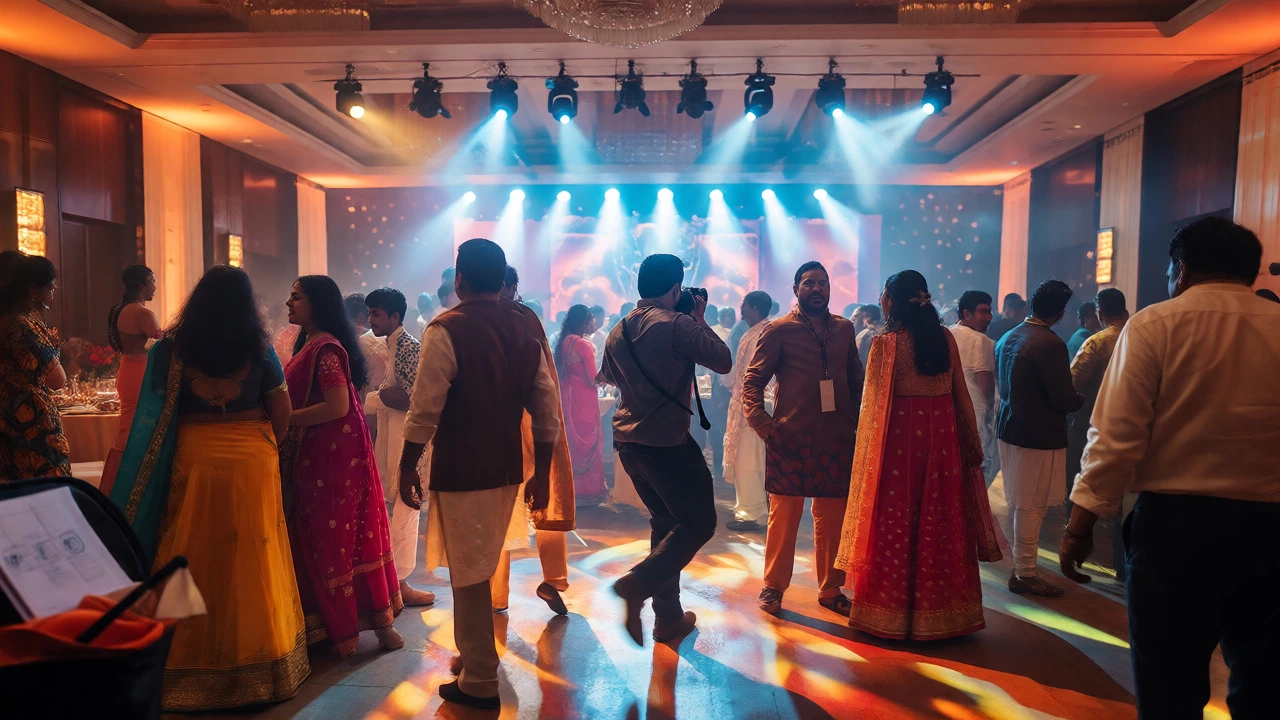
Event photography in India is heavily seasonal. October to February is peak season for weddings and festivals. June to August is monsoon, which often sees a dip in outdoor events but a rise in indoor corporate functions. If you make ₹2 Lakhs in December and zero in July, you aren’t profitable annually unless you manage cash flow wisely.
Set aside 20% of every payment received during peak months into a separate "off-season" account. This buffer prevents panic when bookings dry up. Additionally, diversify your services. Offer album design, prints, or drone coverage as upsells. An album sale costing you ₹2,000 to produce but sold for ₹8,000 adds pure profit with minimal extra time investment.
When Is It Not Profitable?
There are scenarios where event photography loses money for you:
- Scope Creep: Client asks for "just a few more shots" or "quick edits today" repeatedly. Without a clear contract, you work overtime for free.
- Bad Gear Choices: Buying consumer-grade cameras that struggle in low light forces you to reshoot or compensate heavily in post, wasting time.
- Ignoring Taxes: GST applies to photography services in India. If you forget to include this in your quote, you pay it out of pocket, slashing your margin.
- Unpaid Reshoots: If a card fails or you miss a critical moment, you might have to reshoot at your own cost. Professional backup systems (dual card slots, cloud sync) prevent this financial disaster.
Final Verdict: Can You Make a Living?
Yes, event photography is profitable in India, but it is not easy money. It requires treating your creative skill as a product with a supply chain, marketing strategy, and cost control. The photographers who thrive are those who master the business side as much as the artistic side. They charge confidently, deliver efficiently, and manage their finances strictly.
If you are starting out, aim for break-even in the first six months while building your portfolio. By year two, with refined workflows and a steady client base, a net profit of ₹50,000-₹1 Lakh per month is entirely achievable for a dedicated solo operator. The key is to stop thinking like a hobbyist and start acting like a CEO of a small production company.
How much should I charge for 4 hours of event photography in India?
Rates vary by city and experience. In metro cities like Mumbai or Delhi, a beginner might charge ₹8,000-₹12,000, while an established professional charges ₹15,000-₹25,000. Always include travel and basic editing in this quote to avoid surprises.
Do I need GST registration for event photography?
Yes, if your annual turnover exceeds ₹20 Lakhs (₹10 Lakhs in special category states). Even below this threshold, registering voluntarily allows you to claim input tax credits on your equipment purchases, which can improve profitability.
What is the biggest expense for event photographers?
While gear is a large upfront cost, the biggest ongoing expense is usually time (opportunity cost) and marketing. Efficient workflow management reduces the time cost, making it the most critical area for optimization.
Can I make event photography my full-time income?
Absolutely, but it requires consistent bookings. You typically need 6-10 medium-sized events per month to match a stable salaried income in urban India. Building a reliable pipeline takes 1-2 years of networking and reputation building.
Should I hire an editor or do it myself?
Start by doing it yourself to understand the process. Once you exceed 10 events a month, hire an editor. Outsourcing frees you up to shoot more events and market your business, which directly increases overall profitability despite the added cost.