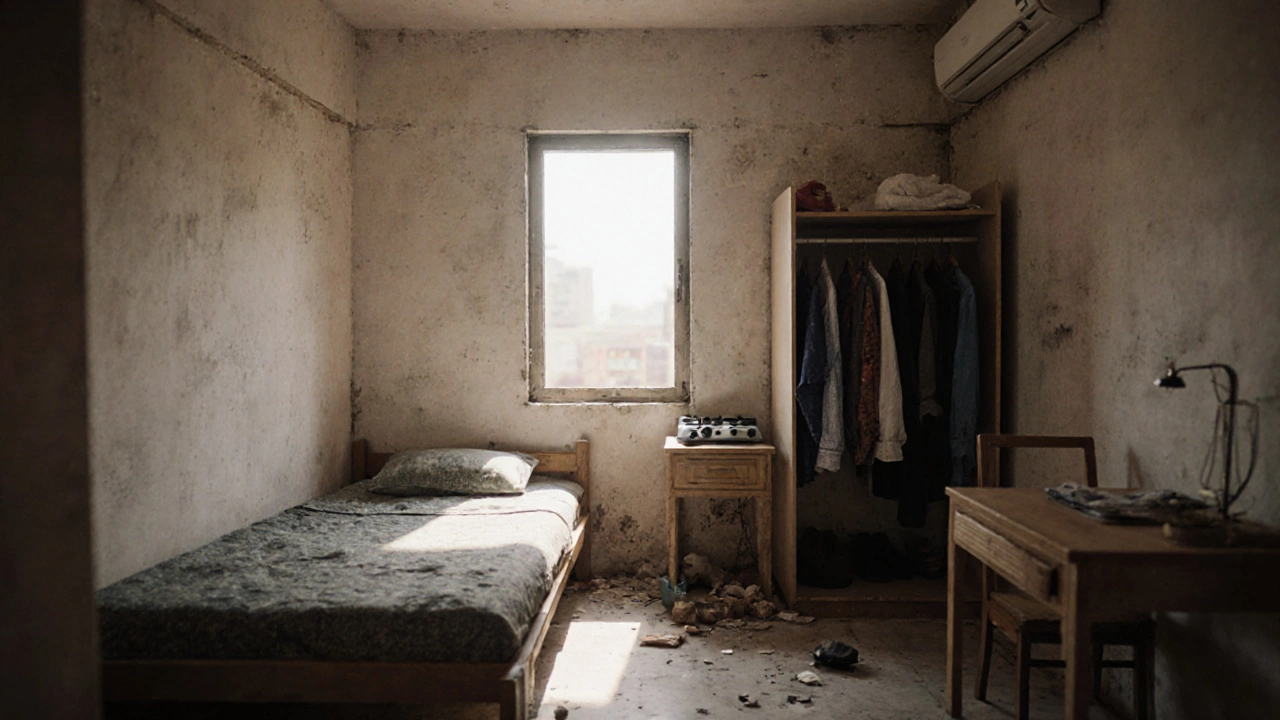
Small Living Spaces: Photography Tips for Compact Homes
When you live in a small living space, a compact home or apartment where every square foot counts. Also known as micro-living, it’s not just about saving space—it’s about making that space feel open, warm, and full of character. Many people assume you need a big house to take great photos, but that’s not true. In fact, small living spaces often offer cleaner lines, fewer distractions, and more intentional design—perfect for photography that tells a real story.
What makes a small space photogenic isn’t its size, but how you use light, angles, and reflection. A well-placed mirror can double the sense of space. Natural light from a single window can turn a corner into a cozy studio. And a clutter-free surface? That’s your best friend. These aren’t just design tricks—they’re photography essentials. When you shoot a studio apartment, you’re not just capturing furniture—you’re capturing how people live. That’s why so many photographers focus on compact home photography, the art of making tight spaces look inviting and spacious through careful composition. It’s a skill that works whether you’re shooting for a client, your Instagram, or just to remember how your home felt on a quiet Sunday morning.
People who live in small spaces often face the same problems: dark corners, awkward layouts, and too much stuff. But the best photos don’t hide those issues—they solve them. A wide-angle lens isn’t just for landscapes; it’s for making a 200-square-foot living room feel like a studio. A tripod lets you use slower shutter speeds to pull in more light without blur. And shooting from slightly above eye level? That’s the secret to showing floor space without making ceilings look low. These techniques are used by professionals who shoot urban homes, Airbnb listings, and interior design portfolios. You don’t need expensive gear. You just need to know where to stand, when to wait for the light, and how to clean up the frame before you press shutter.
What you’ll find in the posts below aren’t generic tips. They’re real, tested methods from photographers who’ve shot tiny apartments in Mumbai, Delhi, and Bangalore. You’ll see how to use everyday objects—like a white sheet or a desk lamp—as lighting tools. You’ll learn which angles make a narrow hallway look longer, and how to photograph a bed in a studio without making the room feel like a closet. These aren’t theories. They’re fixes that work in actual homes with actual people living in them. Whether you’re trying to sell your place, build a portfolio, or just take better pictures of your own space, the tools and tricks here are simple, practical, and ready to use today.