How Much Do Studios Charge Per Song in India?
Find out how much Indian music studios charge per song in 2025, from budget home setups to premium Mumbai studios. Learn what’s included, hidden costs, and how to save money without sacrificing quality.
When you think about song production cost, the total expense of creating a finished music track from idea to final mix. Also known as music production budget, it’s not just about hiring a producer—it’s the sum of time, tools, and talent needed to turn a melody into something people stream. Many assume it’s all about fancy gear or studio hours, but the real cost comes from decisions you make before even hitting record.
For example, if you’re using a DAW software, digital audio workstation used to record, edit, and mix music. Also known as music production software, you might think free tools like GarageBand or Cakewalk are enough. And they can be—but if you need professional plugins, sample packs, or virtual instruments, those add up fast. Studio One Prime is free, but Artist or Professional versions unlock tools most serious creators can’t do without. Same goes for audio interfaces, microphones, and headphones. You don’t need the most expensive gear, but you do need gear that doesn’t ruin your sound.
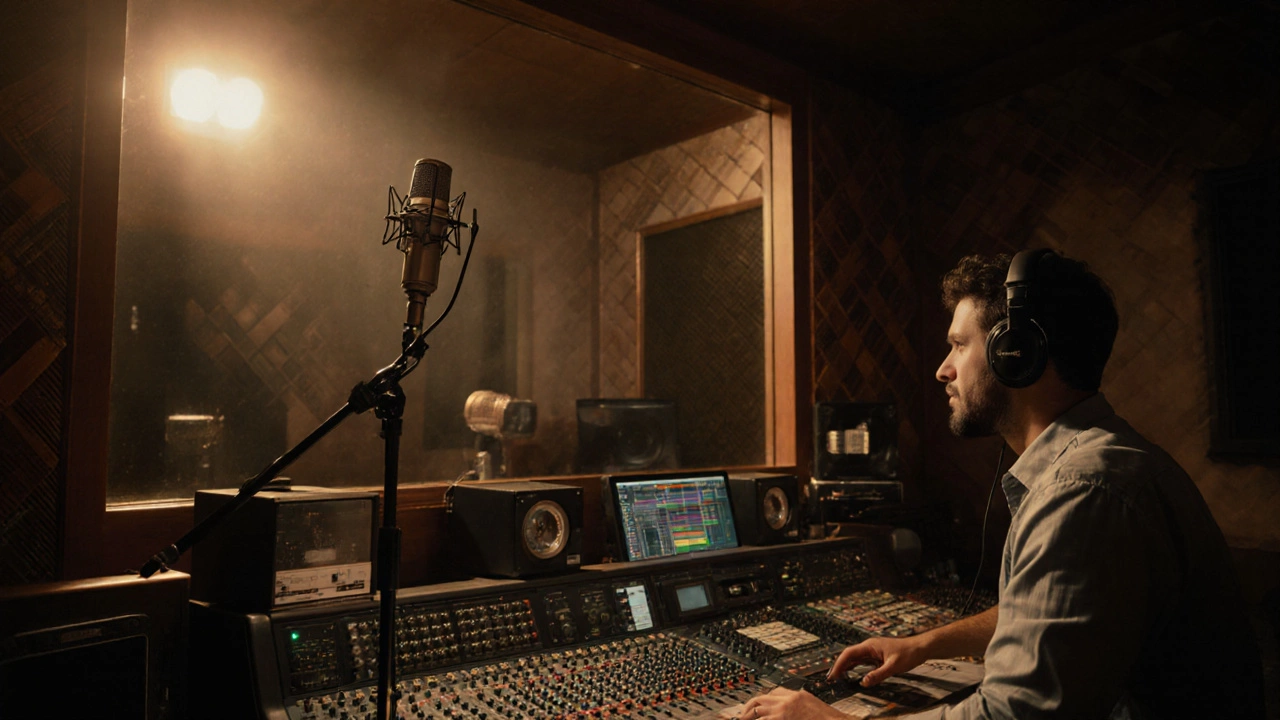
Then there’s recording studio rates, the hourly or daily fees charged by professional studios for space, equipment, and engineer expertise. In India, you can find studios charging ₹1,500 to ₹10,000 per hour, depending on location and reputation. A basic single might take 4–8 hours to record and mix. But here’s the catch: most people don’t realize that the biggest cost isn’t the studio—it’s the revision time. Every change to the vocal, every re-mix, every new beat tweak adds hours. And if you’re working with a live band, you’re paying for everyone’s time too.
And what about the audio engineering fees, payment for professionals who mix, master, and shape the final sound of a track? A good engineer can make your song sound radio-ready. But hiring one isn’t cheap—₹5,000 to ₹50,000 per track, depending on experience and project scope. Some producers bundle this in, others charge extra. And if you’re planning to release on Spotify or Apple Music, mastering is non-negotiable. Skipping it means your track will sound quiet and flat next to everything else.
Most indie artists in India skip the studio entirely and record at home. That saves money—but it also means you’re doing the engineering, editing, and mixing yourself. If you’re not trained, that’s a hidden cost: time you could’ve spent writing, promoting, or performing. And if your track sounds amateurish, no one will stream it. So the real question isn’t how much you spend—it’s whether you’re spending wisely.
Look at the posts below. You’ll find real breakdowns of what people actually pay in 2025—not guesses, not marketing fluff. From Studio One pricing to how much wedding photographers charge for background music edits, these are the numbers that matter. No theory. No hype. Just what works.
Find out how much Indian music studios charge per song in 2025, from budget home setups to premium Mumbai studios. Learn what’s included, hidden costs, and how to save money without sacrificing quality.