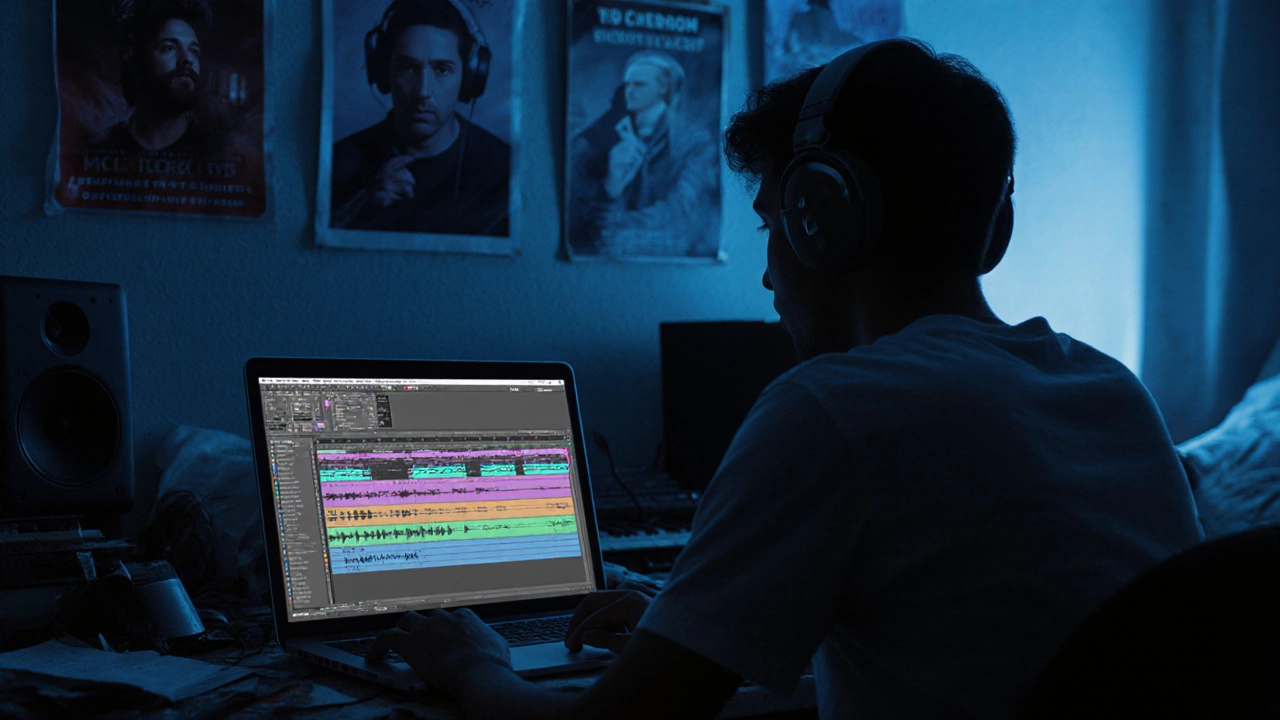
Studio One DAW: What It Is and How It Fits Into Music Production
When you're making music on a computer, you need a Studio One DAW, a digital audio workstation built for recording, editing, and mixing music with professional-grade tools. Also known as a digital audio workstation, it’s the central hub where ideas turn into finished tracks—whether you're layering vocals, tweaking beats, or mastering a full album. Unlike simple apps that let you record a voice memo, Studio One DAW gives you full control over every sound, from the tiniest hi-hat to the loudest bass drop.
It’s not just about recording. Studio One DAW includes built-in virtual instruments, effects like reverb and compression, and a drag-and-drop workflow that makes editing feel natural. Many producers use it alongside MIDI controllers, microphones, and audio interfaces to create everything from pop songs to film scores. It’s used by hobbyists in their bedrooms and by professionals in studios across India and beyond. If you’ve ever wondered how a track sounds so polished, chances are Studio One DAW had a hand in it.
Related tools like Ableton Live, FL Studio, and Logic Pro also do similar jobs, but Studio One stands out for its clean layout and fast workflow. You don’t need years of training to get started—just a laptop and a desire to create. Many users switch to it because it doesn’t overwhelm you with menus, and it handles large projects smoothly even on mid-range hardware. Whether you’re editing a podcast, mixing a wedding video’s background track, or producing your first hip-hop beat, Studio One DAW gives you the tools without the clutter.
What you’ll find in the posts below isn’t a tutorial on how to use the software—but real-world insights from people who’ve used it, compared it, or struggled with it. You’ll see how it fits into music production workflows, what alternatives exist, and how it stacks up against other tools people actually use in India. No fluff. Just what works, what doesn’t, and why it matters for your next project.