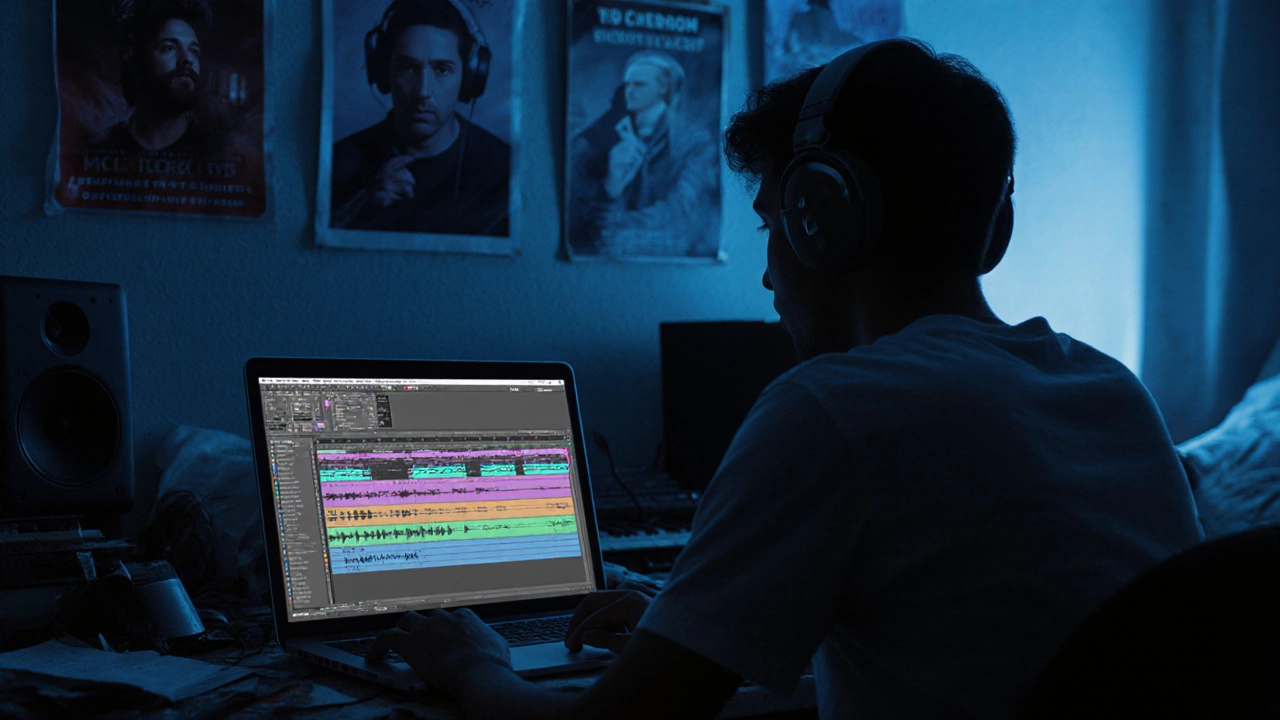
Studio One versions: What You Need to Know About Each Release
When you hear Studio One, a digital audio workstation (DAW) built for fast, intuitive music creation. Also known as PreSonus Studio One, it's one of the few DAWs that doesn’t make you jump through hoops just to record a vocal. Whether you're layering tracks, mixing, or mastering, Studio One versions have evolved to match how real creators work—not how software companies think they should work.
Each Studio One version, a specific release of the software with added features, performance tweaks, or workflow changes brings something new. Studio One 5 introduced the Artist and Pro tiers, making it easier to pick what you actually need. Studio One 6 added AI-powered tools like Melodyne integration and enhanced stem separation—features that used to cost extra in other DAWs. The free version, Studio One Prime, isn’t a stripped-down demo. It lets you record up to 8 tracks and use third-party plugins, which is more than enough for beginners or hobbyists who just want to get their ideas out.
What sets Studio One apart isn’t just the version numbers—it’s how each update connects to real workflows. If you’re a producer who hates clicking through menus, Studio One’s drag-and-drop arrangement and chord track make sense. If you’re a songwriter who records vocals on your phone and imports them later, Studio One’s file import system handles it smoothly. Even the hardware integration matters: if you own a PreSonus interface, Studio One versions recognize it instantly, no drivers needed.
But here’s the thing: you don’t need the latest version to make great music. Many users still run Studio One 4 because it’s stable, fast, and does everything they need. The jump from Artist to Pro isn’t about flashy features—it’s about advanced routing, surround mixing, and batch processing, which only matter if you’re working on albums or film scores. For most people, the difference between versions is noise, not value.
What you’ll find in the posts below aren’t marketing blurbs or feature lists. They’re real comparisons: how Studio One 6 handles vocal tuning versus Ableton, why Studio One Prime surprised a home studio owner, and what you actually lose (or gain) skipping from version to version. No fluff. No upsells. Just what works—and what doesn’t—when you’re trying to finish a track, not debug software.