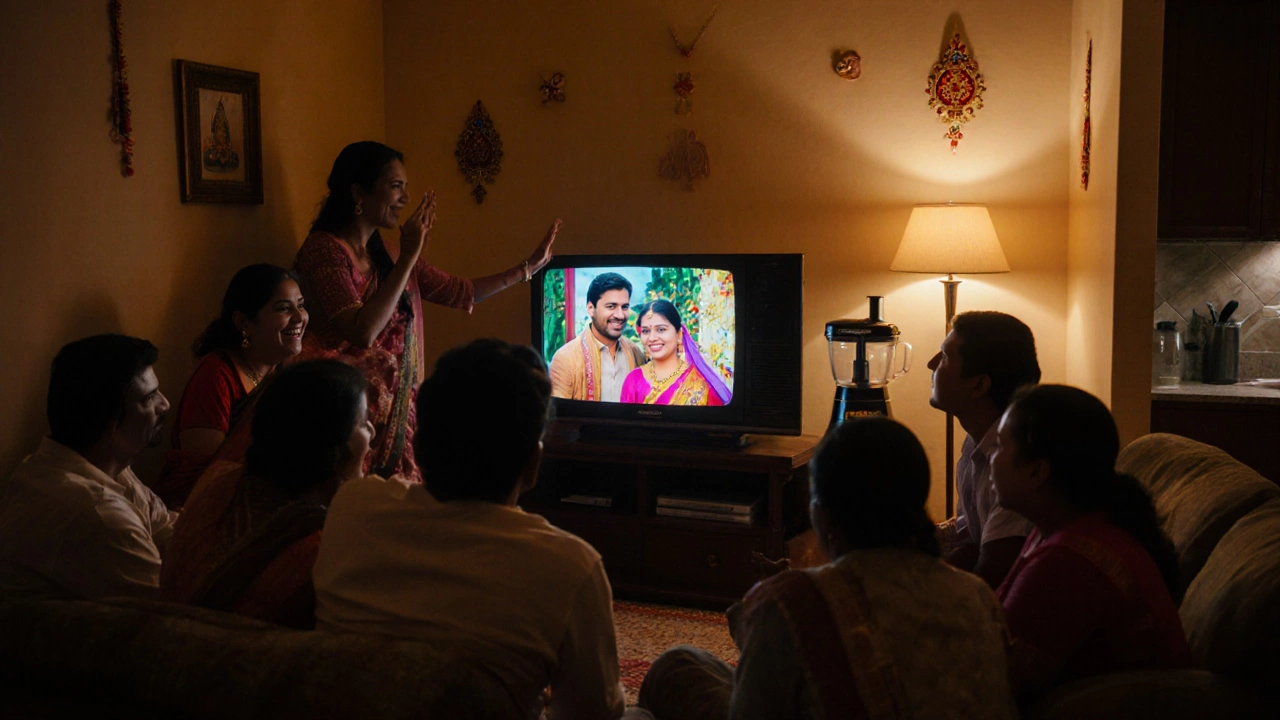
How Do TV Serials Earn Money in India?
Indian TV serials earn money through ads, product placement, streaming rights, merchandising, and re-runs. With millions of daily viewers, they generate billions in revenue despite being free to watch.
When you think of TV serials revenue, the income generated by daily soap operas, reality shows, and drama series broadcast on Indian television networks. Also known as television program earnings, it’s not just about ratings—it’s about who pays to be seen when those shows air. In India, a single hit serial can pull in over ₹50 crore a year just from ads. That’s not a typo. The top shows like Yeh Rishta Kya Kehlata Hai or Anupamaa aren’t just entertainment—they’re ad engines running 24/7.
Where does that money come from? Mostly from television advertising, brands paying to run commercials during prime-time slots. A 10-second ad during a top-rated serial can cost ₹2–5 lakh. Multiply that by 30 ads per episode, 5 days a week, and you get why producers fight for the 8–11 PM slot. Then there’s reality show earnings, the money made from viewer votes, app-based engagement, and brand tie-ins. Shows like Bigg Boss don’t just sell ads—they sell participation. Viewers pay to vote, brands pay to sponsor tasks, and digital platforms pay for streaming rights. That’s three revenue streams from one show.
But it’s not all ads. Many serials now earn from digital rights, licensing content to platforms like Disney+ Hotstar, SonyLIV, or MX Player. A show that used to run only on TV can now make 30–50% of its total income from streaming. Some producers even sell merch—T-shirts, mugs, or even branded jewelry tied to popular characters. And let’s not forget product placement: a character sipping a specific soft drink or using a phone brand isn’t just storytelling—it’s a paid contract.
Not every show hits big, though. Most new serials fail to break even. The cost to produce one episode can run ₹15–30 lakh, depending on cast, sets, and VFX. Without strong advertising backing or digital deals, even a well-made show can vanish after a few months. That’s why networks rely on proven formats—family dramas, arranged marriage plots, revenge arcs—because they work. They’re predictable. And predictable = profitable.
So if you’re wondering why Indian TV keeps making the same kind of shows, the answer isn’t just tradition—it’s cash flow. The system rewards consistency over creativity, and brands invest where viewers stay. But with OTT platforms growing, the rules are changing. More creators are testing new formats online, where revenue comes from subscriptions, not ads. Still, for now, the biggest money stays on TV.
Below, you’ll find real insights from photographers, producers, and viewers who’ve seen this system up close—from how weddings get filmed for serials to why some actors earn more than Bollywood stars. These aren’t guesses. These are numbers, contracts, and behind-the-scenes truths.
Indian TV serials earn money through ads, product placement, streaming rights, merchandising, and re-runs. With millions of daily viewers, they generate billions in revenue despite being free to watch.