Wedding Photographer Tip: Real Advice from Indian Weddings
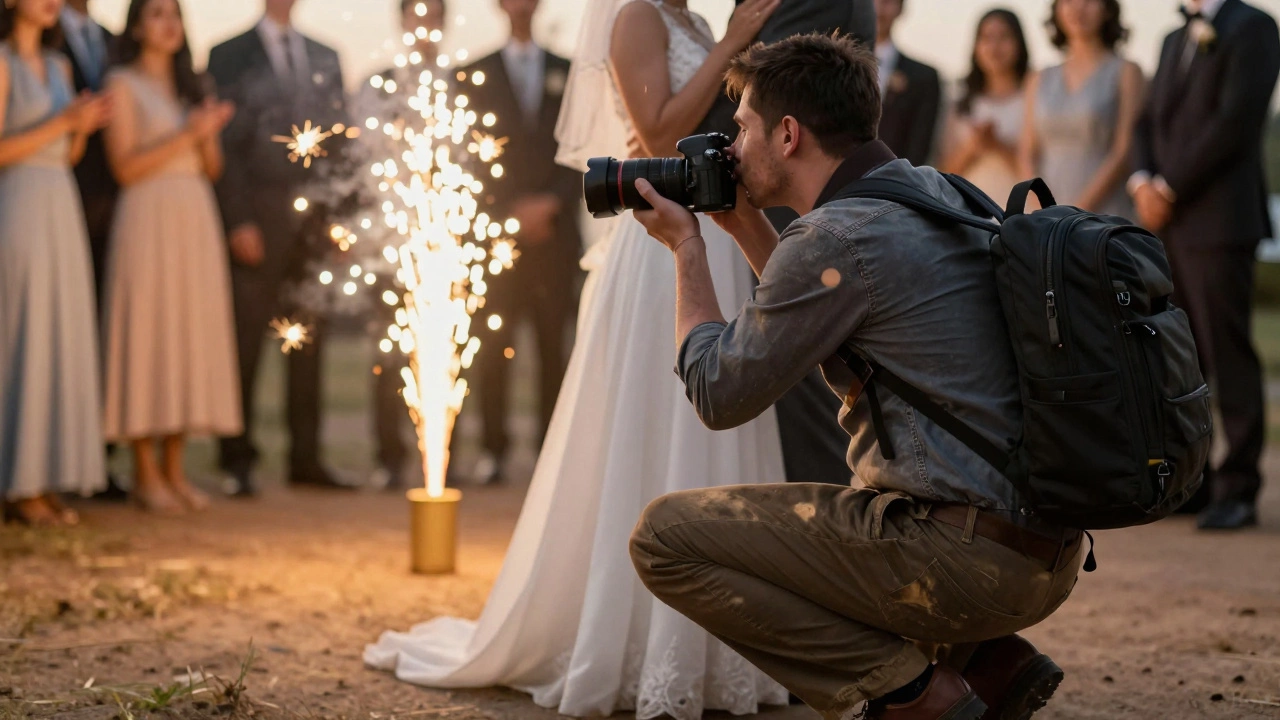
When you hire a wedding photographer, a professional who captures the emotional, cultural, and spontaneous moments of a wedding day. Also known as marriage photographer, it’s not just about taking pictures—it’s about preserving the feeling of the day so you can relive it years later. Most people think a great wedding photographer means perfect poses and flawless lighting. But in Indian weddings, where the energy is high, the colors are bold, and the moments are messy and real, the best shots happen when the photographer disappears into the background.
What separates a good wedding photographer from a great one? It’s how they handle candid wedding photography, the art of capturing unposed, natural emotions during weddings. Also known as unstaged wedding shots, this style focuses on laughter between family members, the quiet look between the bride and groom before the ceremony, or the way the groom’s mother wipes her tears when he walks down the aisle. These aren’t planned. They’re felt. And they’re the photos you’ll stare at ten years from now. You’ll also find that wedding photography cost, the price range for hiring a professional photographer for a full Indian wedding. Also known as wedding photo package, it varies wildly—but the real question isn’t how much you spend, it’s what you get for it. Some charge for 8 hours, others for 500 photos. Some deliver edited JPEGs, others hand-deliver albums. Know what’s included before you sign anything. And don’t fall for the myth that you need 1,000 photos. For most Indian weddings, 500 photos is more than enough—if they’re the right ones. Too many photos drown the emotion. The goal isn’t quantity. It’s impact.
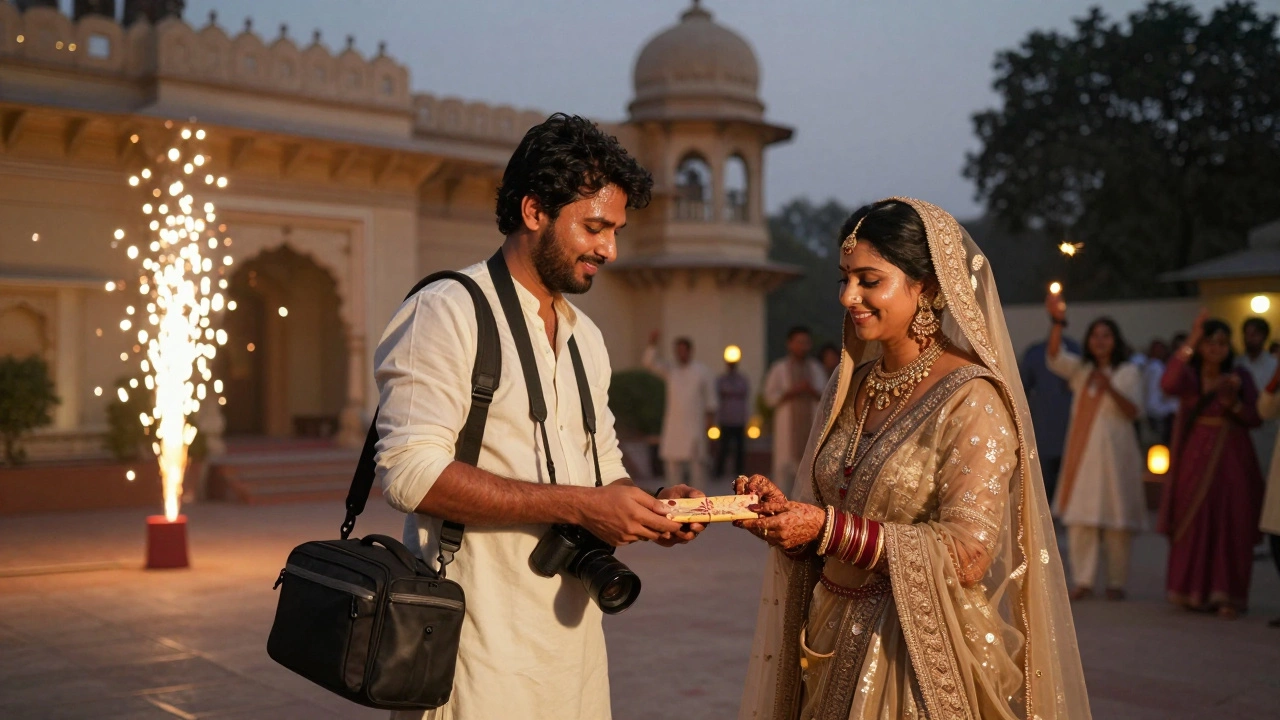
Indian weddings are long, loud, and layered. There’s the haldi, the mehendi, the baraat, the pheras, the reception—and each has its own rhythm. A smart wedding photographer knows when to step in and when to step back. They don’t just point and shoot. They read the room. They notice when the grandmother is about to hug the bride for the last time before she leaves home. They catch the groom’s nervous smile when he sees his bride in her lehenga for the first time. These aren’t accidents. They’re the result of experience, patience, and knowing what matters.
What you’ll find in the posts below are real lessons from Indian weddings: how to pick a photographer who gets candid moments, how much you should realistically budget, why 500 photos is often the sweet spot, and what common mistakes ruin otherwise perfect shots. No fluff. No theory. Just what works when the music’s loud, the lights are dim, and the moment is fleeting.