The 10-Minute Rule in Pre-Wedding Photography: How to Get Natural, Candid Photos
 Aug, 14 2026
The 10-Minute Rule Simulator
The Setup
Rigid posture & hyper-awareness.
Distraction
Tension breaks with conversation.
Interaction
Physical touch feels natural.
The Capture
Genuine emotion & micro-expressions.
The Setup (Minutes 0–2)
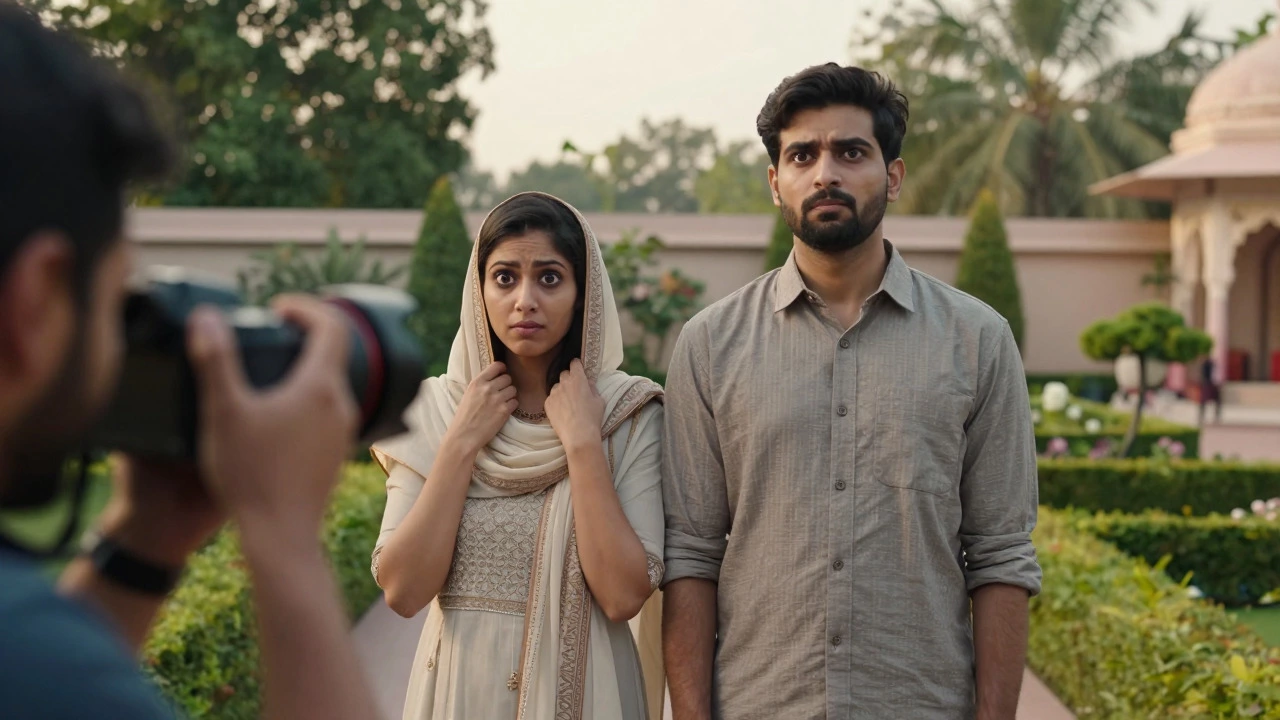
Subjects are in "performance mode." Shoulders are hunched, eyes darting for approval. The photographer gives simple movement directions like "Walk down this path together" to start loosening up.
You’ve booked the location. You’ve picked out your outfits. The lighting is perfect. But as soon as the camera starts clicking, you both freeze up. Your smiles look stiff, your eyes are wide with panic, and every photo looks like a passport application gone wrong. This is the most common nightmare for couples doing a pre-wedding photoshoot. It’s not because you don’t love each other; it’s because being watched by a stranger with a giant lens makes anyone self-conscious.
Enter the 10-minute rule. If you have ever wondered what this rule is, or if you are a photographer looking for ways to break the ice, this guide explains exactly how this simple timing trick transforms awkward stiffs into a couple that looks naturally in love. It isn't magic, but it is psychology, and it works every single time.
What Is the 10-Minute Rule?
The 10-minute rule is a technique used primarily in candid photography and portraiture. It suggests that when shooting a new subject-especially a couple who may be shy or nervous-you should spend the first ten minutes of the session shooting without any pressure for "perfect" results. During this window, the goal is not to get the final gallery images. The goal is to capture the process of them relaxing.
In practical terms, this means the photographer keeps the shutter clicking while giving loose, non-posing instructions. Instead of saying, "Stand here, hold hands, smile at me," the instruction might be, "Walk around that tree and talk about where you had your first date." For the first ten minutes, the couple is allowed to fumble, laugh at their own clumsiness, adjust their clothes, and forget the camera exists. By minute eleven, the adrenaline of the performance has faded, replaced by genuine interaction.
Why the First Few Minutes Are So Awkward
To understand why the rule works, you have to understand the brain's reaction to being photographed. When a couple first arrives at a scenic spot, they are operating in "performance mode." They are hyper-aware of their appearance. They wonder if their hair looks messy. They worry if they are standing too close or too far apart. This state creates what photographers call "deer in headlights" syndrome.
During these initial moments, the body language is rigid. Shoulders are hunched near ears. Chins are tucked in. Eyes are darting toward the photographer for approval rather than looking at each other. If a photographer tries to force a romantic pose during this phase, the result is usually unnatural. The subjects are acting, not feeling. The 10-minute rule acknowledges this biological reality and gives the subjects permission to exist in that uncomfortable space until it passes naturally.
How Photographers Use the Rule Step-by-Step
A skilled wedding photographer doesn't just wait around for ten minutes. They actively facilitate the transition from awkward to authentic. Here is how the process typically unfolds during a pre-wedding shoot:
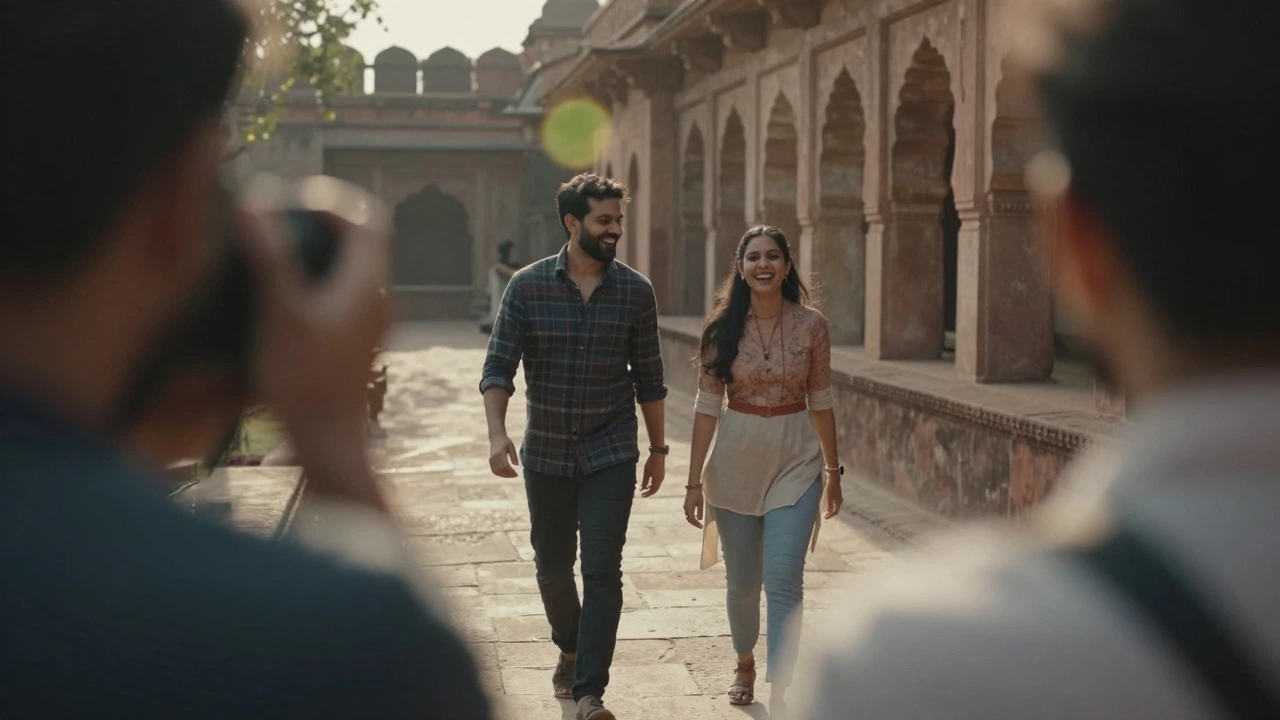
- The Setup (Minutes 0-2): The photographer sets up the shot and gives a very simple direction. "Just walk down this path together." No hand-holding required yet. No eye contact required. Just movement.
- The Distraction (Minutes 2-5): The photographer asks open-ended questions. "Tell me about the worst meal you've ever cooked for each other." Laughter breaks the tension. The shoulders drop. The grip on the camera bag loosens.
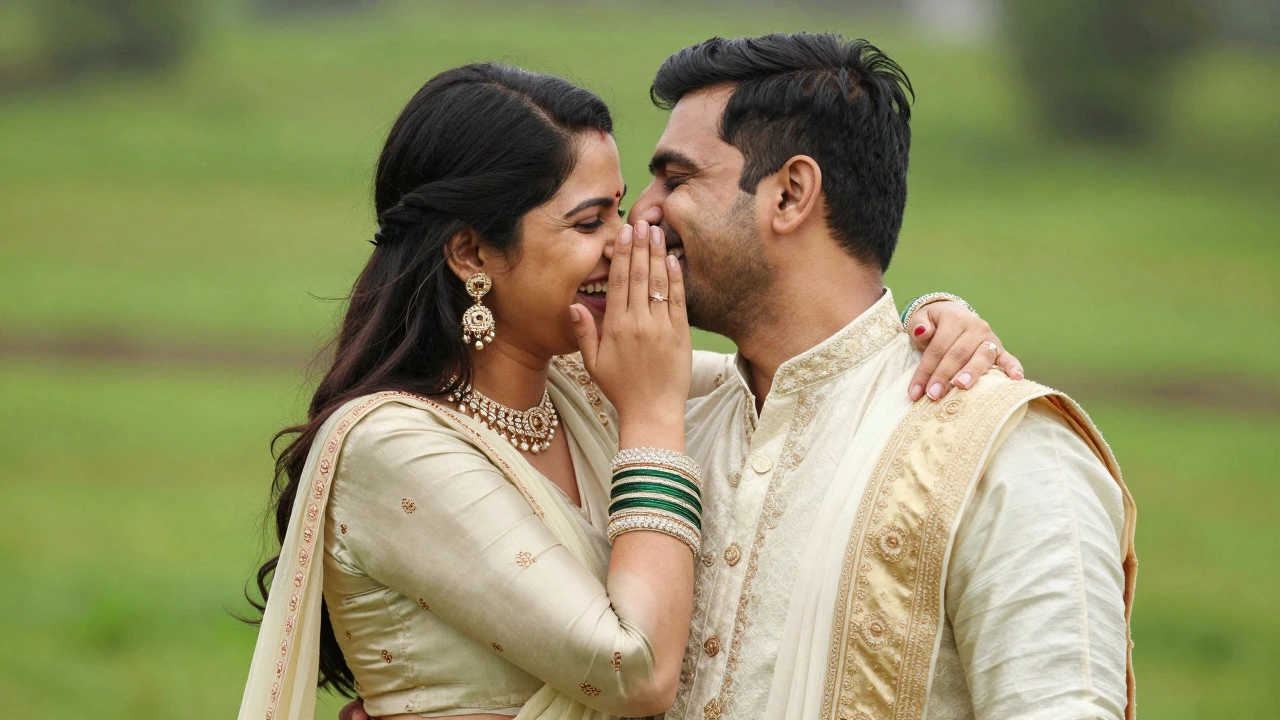
- The Interaction (Minutes 5-8): Now that they are relaxed, the photographer introduces physical contact. "Now, put your chin on his shoulder and whisper something silly." Because they are already laughing and moving, the touch feels less staged.
- The Capture (Minutes 8-10+): This is when the gold happens. The couple is now focused on each other, not the lens. The photographer switches to burst mode to catch the micro-expressions-the real smiles, the glances, the accidental touches. These are the images that make people say, "Wow, they really love each other."
Benefits Beyond Just Better Photos
The value of the 10-minute rule extends beyond aesthetic quality. It builds trust between the subjects and the photographer. Many couples feel intimidated by professional photographers. They worry they won't look good. By allowing a "grace period" where mistakes are expected and ignored, the photographer signals safety. The couple learns that they don't need to be perfect to be photographed well. This reduces anxiety significantly, which in turn improves blood flow and skin tone, leading to literally better-looking portraits.
Furthermore, this approach yields variety. In a traditional posed session, you might get twenty variations of the same head-on portrait. With the 10-minute rule, you get a narrative arc. You see the stiffness, the breaking point, the laughter, and finally, the intimacy. This provides the editor with a much richer set of materials to choose from when creating the final album.
Comparison: Posed vs. 10-Minute Rule Approach
| Feature | Traditional Posed Session | 10-Minute Rule Approach |
|---|---|---|
| Subject Comfort Level | Low initially, requires constant direction | Starts low, increases rapidly as they relax |
| Type of Images Produced | Structured, symmetrical, formal | Candid, dynamic, emotional, storytelling |
| Photographer's Role | Director commanding positions | Facilitator encouraging interaction |
| Risk of "Fake" Smiles | High | Low (smiles are reactions to humor/movement) |
| Time Efficiency | Fast setup, but slow to get genuine emotion | Slower start, but high yield of usable images after 10 mins |
Tips for Couples: How to Make the Most of It
If you are the one holding the ring, not the camera, you can help the process along. Don't fight the awkwardness. Acknowledge it. Tell your partner, "I feel so silly right now," and laugh about it. That shared vulnerability is often the catalyst that breaks the ice. Trust your photographer. If they tell you to ignore them for five minutes, do it. Look at your partner, not the lens. Remember that the best photos often come from the moments you think are ruined-like when you trip slightly or when your partner fixes your collar. Those are the human moments that resonate.
Does the Rule Apply to Other Types of Photography?
While the term is most popular in wedding and engagement contexts, the principle applies broadly. Family photographers use a variation of this when shooting with young children. You cannot command a toddler to smile. You have to play with them for ten minutes until they forget the camera is there, then capture the joy. Headshot photographers also use this method. A corporate executive may sit stiffly for the first few shots. After a few minutes of casual conversation, their guard drops, and the resulting headshot looks more approachable and confident. The core mechanic is always the same: time reduces self-consciousness.
Common Mistakes to Avoid
The biggest mistake photographers make is rushing the process. They see a nice background and want the shot immediately. They skip the warm-up. The result is a beautiful background with two statuesque figures who look unhappy. Another error is giving too many complex directions during the first ten minutes. Keep it simple. Movement generates relaxation. Static posing generates tension. If you are stuck, just ask the couple to walk, spin, or dance. Motion creates life.
For couples, the mistake is trying too hard to impress. You don't need to recreate a scene from a movie. You just need to be yourselves. The photographer's job is to find the beauty in your specific dynamic, not to mold you into someone else's idea of romance. Embrace the messiness of the first few minutes. It is the price of admission for the magic that follows.
Is the 10-minute rule only for shy couples?
No. Even confident models and actors experience camera fatigue or self-consciousness in new environments. The rule helps everyone transition from "thinking about the photo" to "living in the moment." It ensures consistency in emotion regardless of the subject's experience level.
What if we run out of things to talk about during the shoot?
A good photographer will provide prompts. However, you can also prepare beforehand. Think of funny inside jokes, upcoming travel plans, or debates you enjoy having (like pineapple on pizza). Physical activities like walking, dancing, or playing a game also eliminate the need for verbal conversation while keeping the energy high.
Can I use the 10-minute rule for self-portraits or selfies?
Absolutely. Set your timer or remote shutter and take 20 rapid-fire photos while moving, laughing, or adjusting your hair. Review them later. Usually, the images taken in the middle of that burst, when you stopped checking the screen and started enjoying the moment, are the best ones.
How long does a typical pre-wedding photoshoot last?
Most professional pre-wedding sessions last between 1.5 to 3 hours. The 10-minute rule is applied at the start of each new location or outfit change. If you move to a park after a studio shoot, you reset the clock and give yourselves another 10 minutes to acclimate to the new environment.
What should I wear to make the 10-minute rule work better?
Wear clothes that allow movement. If you are wearing a restrictive gown or tight suit, you will naturally be more cautious and stiff. Outfits with flowy fabrics, comfortable shoes, and layers encourage activity like spinning, walking, and hugging, which accelerates the relaxation process.