The Oldest Photograph in India: A Historical Deep Dive
 Aug, 21 2026
The Oldest Photograph in India: Interactive Timeline
Select a milestone to explore the history of early Indian photography.
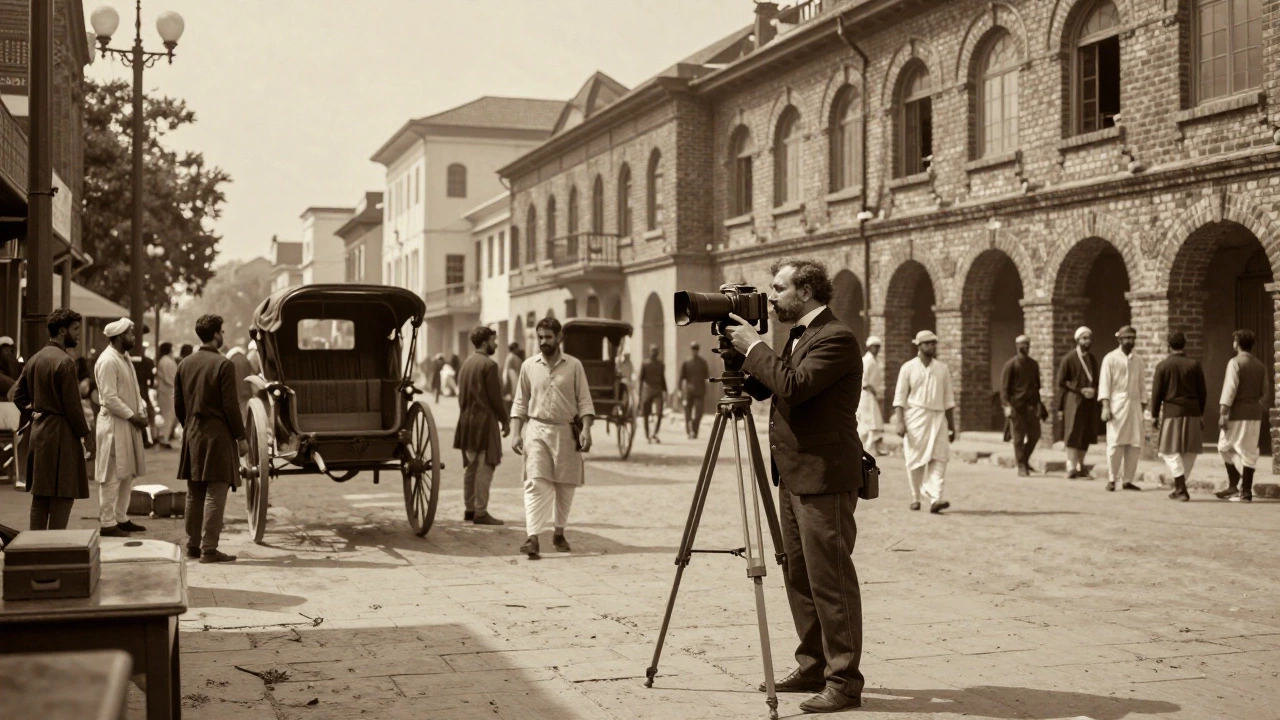
When we think about the oldest picture in India, our minds often jump to grand monuments or famous portraits. But the truth is more nuanced and fascinatingly complex. Photography arrived in the subcontinent during the mid-19th century, a time when the British Empire was expanding its administrative reach and scientific curiosity. The search for the single "first" image is less about finding one specific negative and more about understanding how the medium took root in diverse cultural landscapes.
Photography in India began as a tool of colonial documentation. Early photographers were mostly Europeans-missionaries, administrators, and soldiers-who used the camera to record landscapes, architecture, and local customs. However, Indian subjects quickly adopted the technology, transforming it from an outsider's lens into a mirror of their own identity. This shift is crucial to understanding why pinpointing the absolute first photograph is difficult. Many early images were lost due to poor storage conditions, natural disasters, or the fragility of wet-plate processes.
The Pioneers of the Lens
To understand the origins, we have to look at the key figures who brought the camera to Indian soil. John James is often cited in historical records as one of the earliest practitioners. Working in the 1840s, he produced daguerreotypes that captured the daily life of Calcutta (now Kolkata). These images are significant not just for their age but for their content-they show a society in transition, blending traditional attire with emerging modern infrastructure.
Another pivotal figure was James Robertson, who established a studio in Calcutta in the 1850s. His work focused heavily on portraiture, offering a glimpse into the social hierarchy of the time. While these pioneers set the stage, they were part of a broader wave of photographic activity across the country. In Bombay (now Mumbai), studios began appearing almost simultaneously, catering to the growing merchant class and the colonial elite.
Challenges in Defining the "First"
Why is there no single, universally agreed-upupon oldest photograph? Several factors complicate this question:
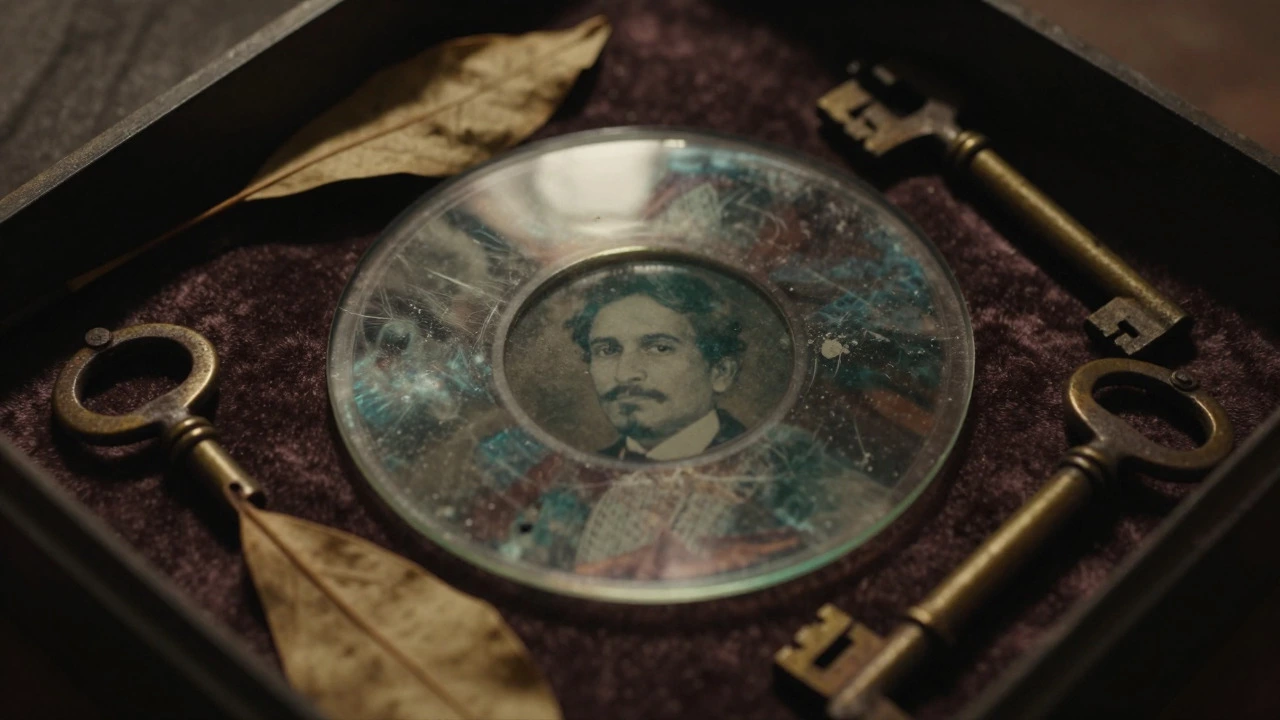
- Fragile Media: Early photographs were made on glass plates coated with silver salts. These materials were highly susceptible to damage from heat, humidity, and physical breakage. India's tropical climate accelerated the degradation of these plates, leading to the loss of countless early works.
- Lack of Standardized Dating: Unlike modern digital files, which carry metadata, early photographs often lacked precise dates. They might be labeled with a year range or a vague reference to a season, making exact chronology difficult.
- Decentralized Archives: There is no single national archive that holds all early Indian photographs. Collections are scattered across institutions like the British Library, the National Archives of India, and private collections in Europe and Asia. This fragmentation makes comprehensive surveys challenging.
Despite these hurdles, historians have identified several candidates that stand out for their historical significance and verifiable age.
Notable Early Candidates
One of the most frequently referenced early images is a view of the Victoria Memorial Hall's construction site, though this is later than the true beginnings. Going further back, we find daguerreotypes taken in the 1840s. For instance, a series of images depicting the streets of Calcutta, attributed to John James, offers a rare window into urban life before the widespread adoption of the calotype process. These images are characterized by their sharp detail and reflective surface, typical of the daguerreotype method.
In the south, the city of Madras (now Chennai) also saw early photographic activity. Merchants and missionaries documented the port city and its surroundings. These images often focused on trade goods, religious sites, and the bustling harbor, reflecting the economic importance of the region. The Calotype process, which allowed for multiple prints from a single negative, gained popularity in the 1850s, leading to a surge in photographic output. This technological shift meant that more images survived, providing a richer historical record.
| Process | Time Period | Key Characteristics | Survival Rate |
|---|---|---|---|
| Daguerreotype | 1840s-1850s | Unique positive on silver plate; highly detailed; fragile | Low |
| Calotype | 1850s-1860s | Paper negative; multiple prints possible; softer focus | Medium |
| Albumen Print | 1850s-1890s | Egg-white based paper; warm tones; durable if stored well | High |
The Role of Indian Studios
It is easy to overlook the role of Indian photographers in this narrative. By the late 19th century, Indian-owned studios had become prominent. Families like the Sons of the Maharaja (a metaphorical reference to royal patronage) and independent entrepreneurs established studios that catered to both local and foreign clients. These studios preserved thousands of images, many of which are now housed in museums and private collections.
One notable example is the work of Phalke, though more associated with cinema, his family's involvement in visual arts highlights the broader cultural embrace of photography. In cities like Pune and Baroda, royal courts commissioned photographers to document festivals, ceremonies, and architectural projects. These images provide invaluable insights into the social and political dynamics of princely states.
Preservation and Digital Archives
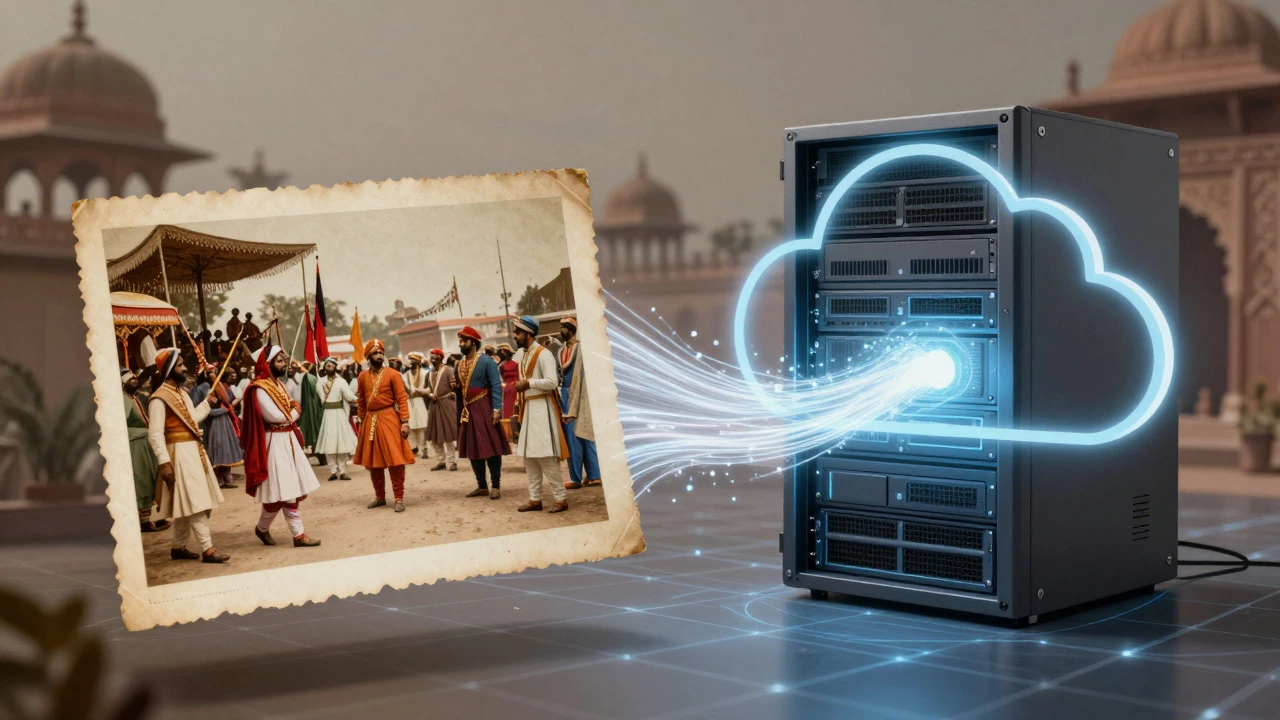
Today, the quest for the oldest photograph is aided by digital preservation efforts. Institutions like the National Museum of Modern Art in New Delhi and the Indian National Trust for Art and Cultural Heritage (INTACH) have undertaken projects to digitize early photographic collections. These digital archives allow researchers and enthusiasts to access high-resolution images without risking damage to the original artifacts.
However, preservation remains a challenge. Climate control is essential for storing old photographs, and many smaller collections lack the resources to maintain optimal conditions. As a result, some of the earliest images may still be hidden in private attics or forgotten drawers, waiting to be discovered and cataloged.
What Does This Mean for History?
Identifying the oldest picture in India is not just an academic exercise. It helps us understand how technology shaped our perception of reality. Photography introduced a new way of seeing-one that emphasized detail, permanence, and objectivity. For a society with a rich oral and artistic tradition, the camera offered a different kind of storytelling. It captured moments that would otherwise be lost to memory, creating a visual record of change and continuity.
As we continue to explore these early images, we gain a deeper appreciation for the people who held the cameras and those who posed for them. They were not just subjects; they were participants in a global technological revolution that left an indelible mark on Indian culture.
Frequently Asked Questions
Who took the first photograph in India?
While John James is often credited with some of the earliest known photographs in Calcutta in the 1840s, the exact "first" is debated due to lost records and fragmented archives. Multiple photographers worked in different regions around the same time.
Where can I see early Indian photographs today?
You can view early Indian photographs at institutions like the British Library, the National Archives of India, and the National Museum of Modern Art in New Delhi. Many of these collections are also available digitally through online archives.
Why are so few early photographs surviving?
Early photographs were made on fragile materials like glass and paper, which degraded quickly in India's hot and humid climate. Additionally, many were lost due to wars, fires, and poor storage practices.
Did Indians take photographs in the 19th century?
Yes, by the late 19th century, Indian photographers had established successful studios across major cities. They documented royal courts, everyday life, and significant events, contributing significantly to the visual history of the country.
What is the difference between a daguerreotype and a calotype?
A daguerreotype is a unique positive image on a silver-plated copper sheet, while a calotype uses a paper negative to create multiple prints. Daguerreotypes are sharper but more fragile; calotypes are softer but easier to reproduce.