What is the Most Important Camera Specification? Complete Guide for India 2026
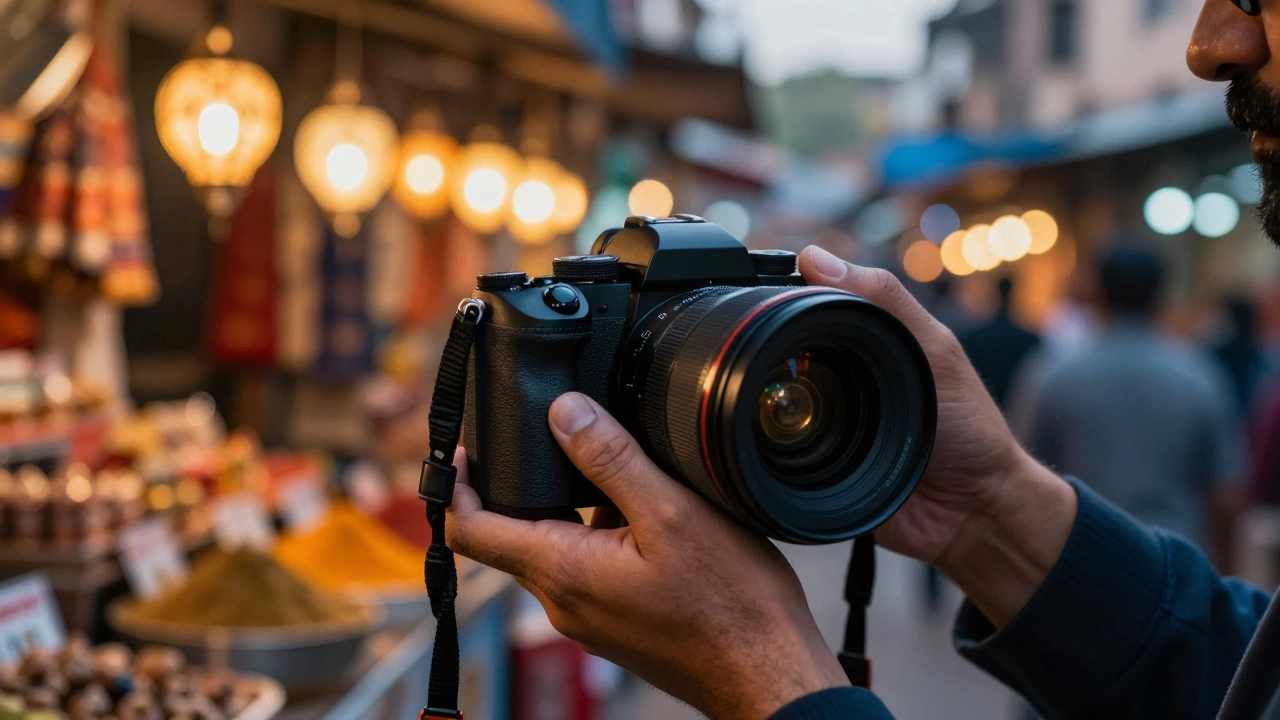 Mar, 24 2026
Sensor Size Comparison Calculator
Your Photography Needs
Sensor Size Comparison
Full Frame
36mm x 24mm₹80,000 - ₹3,00,000+
- Best low-light performance
- Superior depth of field control
- Excellent for wedding photography
APS-C
24mm x 16mm₹35,000 - ₹1,20,000
- Best balance of quality & price
- Great for travel and general photography
- Excellent low-light for the price
M4/3
17.3mm x 13mm₹30,000 - ₹90,000
- Compact and lightweight
- Good for video and wildlife
- Best value for beginners
Recommendation for You
Select your photography needs to see your ideal sensor size recommendation.
Here's something that'll make most camera salespeople nervous: megapixels are almost never the most important specification. You've probably walked into a camera store in Mumbai or Delhi and heard someone push a camera with "60 megapixels!" as if that's the holy grail. But that number alone tells you nothing about whether you'll actually get good photos. The real answer to what matters most might surprise you, and it could save you from wasting ₹50,000 or more on the wrong camera.
When I've helped friends and family choose cameras across India, the pattern is always the same. People fixate on megapixels because it's the easiest number to compare. But the specification that actually determines image quality, low-light performance, and creative control is something else entirely. Let me break down exactly what you should be looking for in 2026, especially if you're shopping in the Indian market where prices and availability vary wildly.
The Sensor Size: Your Camera's Most Critical Specification
Sensor Size is the physical dimensions of the light-capturing component inside your camera. This single specification affects everything: image quality, low-light performance, depth of field, and even the size and weight of your entire camera system. Unlike megapixels, sensor size directly determines how much light each individual pixel can capture.
Think of your camera sensor like a window. A larger window lets in more light, period. That's why a full-frame sensor (36mm x 24mm) outperforms a smaller APS-C sensor (approximately 24mm x 16mm) in almost every scenario. In India's diverse lighting conditions-from the dimly lit temples of Varanasi to the bright beaches of Goa-sensor size becomes even more critical.
| Sensor Type | Approximate Size | Typical Price Range (India 2026) | Best For |
|---|---|---|---|
| Full Frame | 36mm x 24mm | ₹80,000 - ₹3,00,000+ | Professional work, low light, portraits |
| APS-C | 24mm x 16mm | ₹35,000 - ₹1,20,000 | Travel, events, general photography |
| M4/3 | 17.3mm x 13mm | ₹30,000 - ₹90,000 | Video, wildlife, compact systems |
| 1-inch | 13.2mm x 8.8mm | ₹25,000 - ₹60,000 | Compact cameras, vlogging |
Full-frame cameras dominate the professional market in India because they handle high ISO settings better. When you're shooting a wedding in a dimly lit hall in Kolkata without flash, that sensor size difference means the difference between a usable image and one covered in digital noise. The larger sensor collects more photons per pixel, which translates to cleaner images at higher ISO settings.
Megapixels: Why More Isn't Always Better
Megapixels is the total number of pixels on your camera sensor, typically measured in millions. While manufacturers love marketing this number, it's often the least important specification for most photographers. A 24-megapixel full-frame camera will almost always produce better images than a 60-megapixel APS-C camera.
Here's the reality: most people never need more than 20-24 megapixels. That resolution is enough for prints up to 40x60 inches at standard viewing distances. Unless you're doing commercial work that requires massive crop-and-print flexibility, chasing higher megapixel counts is a waste of money.
Higher megapixel counts come with trade-offs. More pixels on the same sensor size means each individual pixel is smaller, which can actually reduce low-light performance. You'll also need more storage space and faster memory cards. In 2026, many cameras in the ₹50,000-₹1,00,000 range offer 45-60 megapixels, but that doesn't automatically make them better choices for your needs.
For social media sharing, online portfolios, and standard print sizes, 20-24 megapixels is the sweet spot. This resolution works perfectly for Instagram, Facebook, and even professional website galleries without creating unnecessarily large files.
Lens Quality: The Often Overlooked Factor
You can have the best sensor in the world, but if you pair it with a poor-quality lens, your images will suffer. Lens Quality is determined by optical design, glass quality, coatings, and build materials. In many cases, investing in better lenses matters more than upgrading your camera body.
Prime lenses (fixed focal length) typically outperform zoom lenses in sharpness and low-light capability. A 50mm f/1.8 lens on a mid-range camera will produce better portraits than a kit zoom lens on a flagship body. In India's competitive photography market, many professionals use older camera bodies with premium lenses because the lens quality makes the bigger difference.
The maximum aperture (the f-number) is particularly important. An f/1.8 lens lets in significantly more light than an f/4 lens, which matters enormously in challenging lighting conditions. This also affects depth of field-that pleasing background blur that makes subjects stand out in portraits.
For Indian photographers, lens availability and pricing vary by brand. Canon and Nikon have extensive lens ecosystems available across India, while Sony's E-mount system has grown significantly since 2020. Sigma and Tamron offer excellent third-party options that can save you 30-50% compared to brand-name lenses.
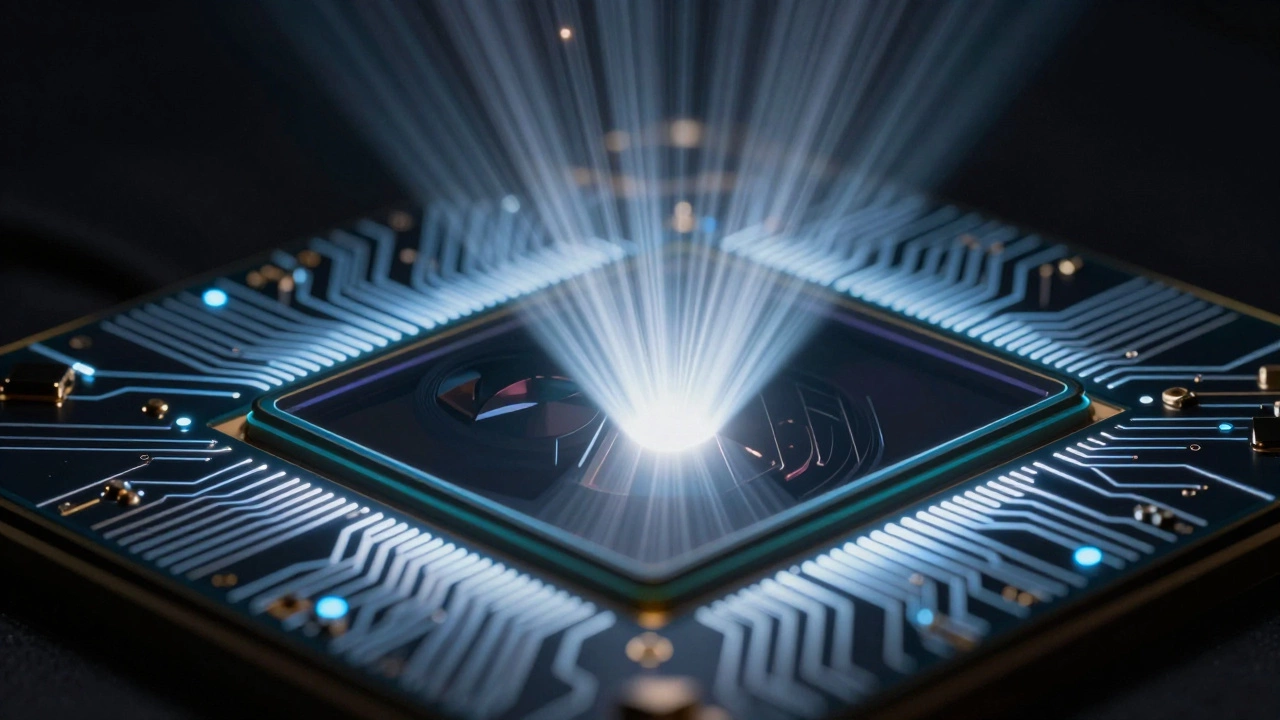
Low Light Performance: ISO and Noise Handling
ISO Sensitivity is your camera sensor's ability to capture light in dim conditions. This specification directly relates to sensor size and technology. A full-frame camera at ISO 3200 will produce cleaner images than an APS-C camera at the same setting.
In India's diverse environments, low-light performance is crucial. Temple photography, evening events, indoor gatherings, and street photography in the evenings all benefit from better ISO handling. Modern cameras from 2025-2026 have improved significantly, with many APS-C sensors performing acceptably up to ISO 6400.
Look for cameras that maintain acceptable image quality at ISO 3200-6400 for serious work. If you're shooting events or weddings, this becomes non-negotiable. Many entry-level cameras struggle beyond ISO 1600, which severely limits your shooting opportunities in India's varied lighting conditions.
Dynamic range-the ability to capture detail in both shadows and highlights simultaneously-also matters for Indian landscapes. The contrast between bright skies and dark foregrounds in places like Rajasthan or the Himalayas requires cameras with strong dynamic range to avoid blown highlights or crushed shadows.
Budget Considerations for the Indian Market in 2026
Camera prices in India vary significantly based on import duties, taxes, and availability. In 2026, you'll find that mirrorless cameras have largely replaced DSLRs as the preferred choice for most photographers. Here's what different budget ranges can get you:
- ₹25,000-₹40,000: Entry-level mirrorless with APS-C sensors, 20-24 megapixels, basic autofocus systems. Good for beginners and casual photography.
- ₹40,000-₹70,000: Mid-range mirrorless with improved autofocus, better build quality, and enhanced low-light performance. Ideal for serious hobbyists and semi-professionals.
- ₹70,000-₹1,50,000: High-end APS-C or entry-level full-frame cameras. Professional-grade autofocus, excellent low-light performance, and robust build quality.
- ₹1,50,000+: Professional full-frame systems with top-tier specifications, weather sealing, and advanced features for commercial work.
Remember to budget for lenses separately. A ₹50,000 camera body with a ₹10,000 kit lens won't perform as well as a ₹40,000 body with a ₹25,000 prime lens. Many Indian photographers find better value by buying camera bodies during sales periods (Amazon Great Indian Festival, Flipkart Big Billion Days) and investing in quality lenses over time.
Used cameras are also a viable option in India's growing second-hand market. Platforms like OLX and dedicated photography forums offer significant savings, but always test equipment thoroughly before purchase. A well-maintained 2022-2023 model can offer 80-90% of the performance of a 2026 model at 60-70% of the price.
What to Prioritize Based on Your Photography Type
Not all specifications matter equally for every type of photography. Here's what to focus on based on your primary shooting style:
Wedding and Event Photography: Prioritize autofocus speed and accuracy, dual card slots for backup, and excellent low-light performance. Sensor size matters more than megapixel count. A 24-megapixel full-frame camera with fast autofocus will serve you better than a 45-megapixel camera with slower focus tracking.
Travel Photography: Balance sensor size with weight and portability. APS-C or M4/3 systems offer excellent image quality in lighter packages. Consider weather sealing if you're shooting in monsoon conditions or dusty environments.
Portrait Photography: Sensor size and lens selection are paramount. A full-frame sensor with a fast prime lens (f/1.4-f/2.0) will give you superior background separation and low-light capability compared to smaller sensors.
Wildlife and Sports: Autofocus tracking, continuous shooting speed, and buffer capacity matter most. You'll want cameras with 10+ frames per second and advanced subject recognition. Sensor size still matters for cropping flexibility, but speed becomes the priority.
Street Photography: Discreet size, fast autofocus, and good low-light performance are key. Many street photographers prefer smaller APS-C or M4/3 systems for their compact nature and lighter weight during long shooting sessions.
Common Mistakes Indian Photographers Make
I've seen the same mistakes repeatedly across India's photography community. First, buying the highest megapixel camera in your budget without considering sensor size. Second, spending your entire budget on the camera body and skimping on lenses. Third, ignoring lens availability and pricing in the Indian market before committing to a brand.
Fourth, not testing cameras in person before buying. Online reviews can't tell you how a camera feels in your hands or how the menu system works for your workflow. Visit stores in major cities-New Delhi, Mumbai, Bangalore, Chennai-to handle cameras before purchasing.
Fifth, forgetting about ongoing costs. Memory cards, batteries, lens cleaning supplies, and potential repairs add up. Factor these into your total budget, especially if you're shooting professionally.
Sixth, buying based on brand loyalty rather than actual specifications. Canon, Nikon, Sony, Fujifilm, and Panasonic all have excellent cameras at various price points. Let the specs and your needs drive the decision, not brand preference.
What is the most important camera specification for beginners?
For beginners, sensor size is the most important specification because it determines overall image quality and low-light performance. An APS-C sensor offers the best balance of quality and affordability for most entry-level photographers. Don't get caught up in megapixel counts-20-24 megapixels is sufficient for learning and most shooting scenarios.
Do I need a full-frame camera for professional photography in India?
Not necessarily. Many professional photographers in India work successfully with high-quality APS-C cameras, especially for specific niches like travel, street, and wildlife photography. Full-frame sensors excel in low-light situations and offer better depth of field control, but excellent results are possible with smaller sensors if paired with quality lenses. Consider your specific photography needs and budget before investing in full-frame.
How many megapixels do I actually need?
Most photographers need between 20-24 megapixels. This resolution supports prints up to 40x60 inches and is more than adequate for social media, websites, and standard photo albums. Higher megapixel counts (45-60MP) are only necessary for commercial work requiring large prints or significant cropping flexibility. More megapixels also mean larger file sizes that require more storage and processing power.
Is it better to buy a newer camera with a smaller sensor or an older camera with a larger sensor?
Generally, an older camera with a larger sensor will produce better image quality than a newer camera with a smaller sensor. Sensor size has a more significant impact on image quality, low-light performance, and dynamic range than sensor age. However, newer cameras offer better autofocus systems, video features, and user interfaces. Balance your priorities between image quality and modern features based on your specific needs.
What should I prioritize when buying a camera on a budget in India?
Prioritize sensor size first, then autofocus performance, and finally megapixel count. Allocate your budget to include at least one quality lens, not just the camera body. Consider buying during major sales events in India for better deals. A mid-range camera with a good lens will outperform a budget camera with a kit lens. Also factor in ongoing costs like memory cards, batteries, and potential accessories.
How does lens quality affect camera performance?
Lens quality significantly impacts sharpness, contrast, color rendition, and low-light performance. A high-quality lens on a mid-range camera will produce better images than a cheap lens on a flagship camera. Prime lenses typically outperform zoom lenses in optical quality. The maximum aperture (f-number) determines light-gathering ability and depth of field control. Invest in quality lenses as they often outlast camera bodies.
What ISO range should I look for in a camera for Indian conditions?
Look for cameras that maintain acceptable image quality at ISO 3200-6400 for serious work. India's diverse lighting conditions-from dimly lit indoor venues to bright outdoor environments-require flexible ISO performance. Full-frame cameras typically handle higher ISO settings better than APS-C sensors. For event and wedding photography, ensure the camera performs well at ISO 3200 and above without excessive noise.
Should I buy a DSLR or mirrorless camera in 2026?
In 2026, mirrorless cameras are the better choice for most photographers. They're lighter, more compact, and offer superior autofocus systems with eye and subject tracking. Most major manufacturers have shifted focus to mirrorless systems, with DSLR production declining. Mirrorless cameras also offer better video capabilities and electronic viewfinders that show exposure in real-time. DSLRs still have advantages in battery life and optical viewfinders, but mirrorless technology has matured significantly.