What Is the Rule for Drone in India? Complete Guide for Drone Photography in 2026
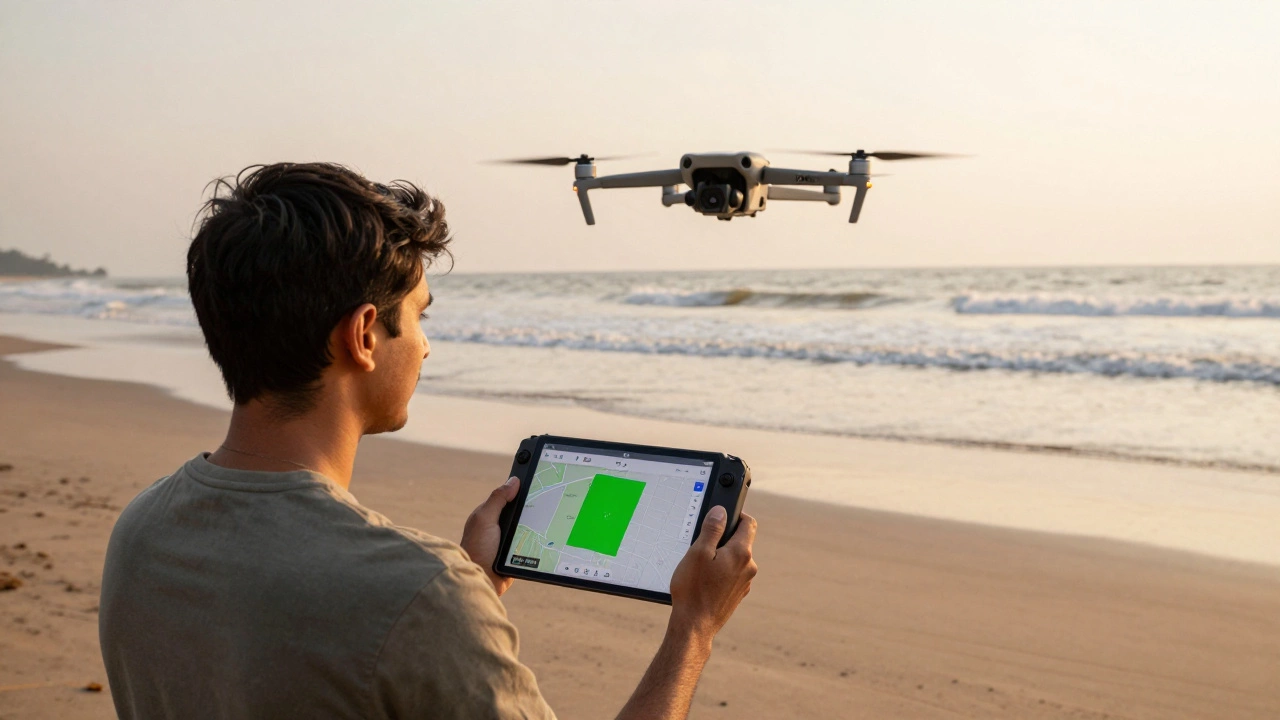 Jan, 27 2026
Drone No-Fly Zone Checker
Check Your Flight Legality
Enter your drone details and location to see if you can legally fly in India.
If you're planning to fly a drone for photography in India, you need to know the rules - and they changed dramatically in 2021. Forget what you heard from old blogs or YouTube videos from 2020. The current system, managed by the Directorate General of Civil Aviation (DGCA), is strict, digital, and non-negotiable. Skip the paperwork, and you risk fines, confiscation, or even criminal charges. This isn't about being careful - it's about being legal.
Drone Classification in India
India doesn’t treat all drones the same. The government divides them into five categories based on weight:
- Nano: Up to 250 grams
- Micro: 250 grams to 2 kilograms
- Mini: 2 kilograms to 25 kilograms
- Small: 25 kilograms to 150 kilograms
- Large: Over 150 kilograms
Most hobbyists and photographers use Nano or Micro drones. If you’re shooting with a DJI Mini 3 Pro (249g), you’re in the Nano category. If you’re using a DJI Mavic 3 (958g), you’re in Micro. These are the most common for drone photography in India.
Registration Is Mandatory - No Exceptions
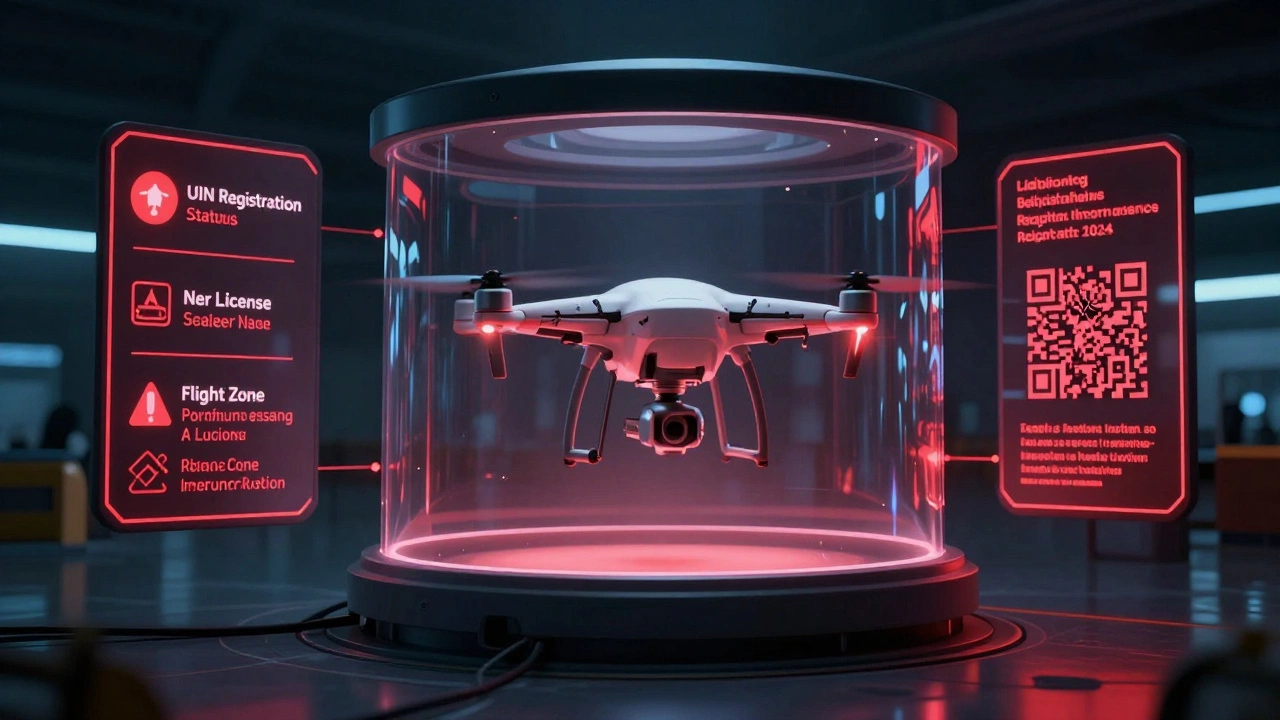
Every drone, no matter how small, must be registered on the Digital Sky Platform. This is not optional. Even if your drone weighs less than 250 grams, you still need a Unique Identification Number (UIN). You get this by creating an account, uploading your ID, and paying a one-time fee of ₹1,000. The system sends you a digital UIN within 24 hours.
Once registered, you must physically attach a QR code sticker with your UIN to your drone. Police and aviation officers can check this at any time. If you fly without a UIN, your drone can be seized immediately. There are no warnings.
Drone Pilot Certificate (DPC) for Commercial Use
If you’re using your drone for paid work - like wedding photography, real estate shots, or content creation - you need a Drone Pilot Certificate (DPC). This applies even if you’re just charging for a single photo shoot. You can’t legally earn money from flying a drone in India without it.
To get the DPC, you must:
- Be at least 18 years old
- Have passed Class 10 (10th grade) or equivalent
- Complete a 6-hour online training course from a DGCA-approved provider
- Pass a 30-minute multiple-choice exam with a 70% score
The exam costs ₹5,000. Once you pass, the certificate is valid for 10 years. You’ll get a digital certificate you can show on your phone during inspections. No paper copy needed.
No-Fly Zones Are Strictly Enforced
India has a color-coded digital map of no-fly zones on the Digital Sky Platform. You cannot fly in:
- Within 5 kilometers of any airport or airstrip
- Over military installations, nuclear plants, or government buildings
- Within 1 kilometer of international borders
- Over crowded public events (festivals, concerts, political rallies)
- Within 25 kilometers of the India-China border
Even if you’re flying in a remote village, if it’s within 5 km of a small airstrip - even one used for crop dusting - you’re breaking the law. The Digital Sky app shows real-time restrictions. Before every flight, open the app and check the zone map. If it’s red, don’t fly.
Altitude Limits and Flight Rules
You’re not allowed to fly higher than 400 feet (122 meters) above ground level. That’s about the height of a 40-story building. Most drones can go higher, but legally, you must stay under that limit.
Other rules:
- Only fly during daylight hours - no night flights
- Keep your drone within visual line of sight at all times
- Do not fly over people who haven’t given consent
- Never fly under the influence of alcohol or drugs
- Do not carry weapons or hazardous materials
These aren’t suggestions. They’re legal requirements. Violating any of these can lead to a fine of up to ₹1 lakh (about $1,200) or jail time under the Aircraft Act, 1934.
Importing Drones: What You Need to Know
If you’re bringing a drone into India from abroad, you need an Import License from DGCA. This applies even if you’re just carrying it in your luggage for personal use. Customs will check your Digital Sky registration. If you don’t have it, they’ll hold your drone until you apply and get approval - which can take weeks.
Many photographers try to sneak drones in as "camera equipment". That doesn’t work. Customs officers now use AI-powered scanners that detect drone components. If your drone is detected without proper paperwork, it will be confiscated. There’s no appeal.
Penalties for Breaking the Rules
The penalties are harsh and applied quickly:
- Flying without a UIN: ₹1 lakh fine
- Flying without a DPC (commercial use): ₹2.5 lakh fine
- Flying in a no-fly zone: ₹5 lakh fine or 5 years jail
- Operating a drone without insurance: ₹1 lakh fine
Insurance is mandatory for all drones over 250 grams. You can buy it from any insurer offering aviation coverage. Most drone retailers in India bundle insurance with the purchase.
What About Hobbyists?
If you’re just flying for fun - not selling photos, not charging for footage - you still need a UIN. You don’t need a DPC. But you still must follow altitude limits, no-fly zones, and daylight rules. Many people think "hobbyist" means "no rules." That’s a dangerous myth. The law doesn’t care if you’re doing it for fun. If you’re flying without a UIN, you’re breaking the law.
How to Stay Legal
Here’s a simple checklist before every flight:
- Is your drone registered on Digital Sky? (Check your UIN sticker)
- Do you have a DPC if you’re being paid? (Show your digital certificate)
- Is your flight within 400 feet? (Use your drone’s altitude display)
- Are you flying during daylight? (No sunset or sunrise shots without permission)
- Are you in a red zone? (Open the Digital Sky app and check)
- Are you away from people, crowds, and sensitive areas?
If you answer "yes" to all six, you’re legal. If even one is "no," don’t fly.
What’s Changed Since 2021?
Before 2021, India had almost no drone rules. You could fly anywhere. Now, everything is tracked. The government uses real-time geofencing. If you try to fly in a restricted zone, your drone will either refuse to take off or land automatically. DJI and other manufacturers have integrated this into their firmware for the Indian market.
Also, drones under 250 grams used to be exempt. Now, they’re not. The only exemption is for toy drones under 250 grams that are not capable of carrying cameras or sensors. If your Nano drone has a camera - even a tiny one - it’s regulated.
Where to Fly Legally for Drone Photography
Some popular spots that are usually safe for drone photography:
- Remote beaches outside 5 km of airports (e.g., Gokarna, Karnataka)
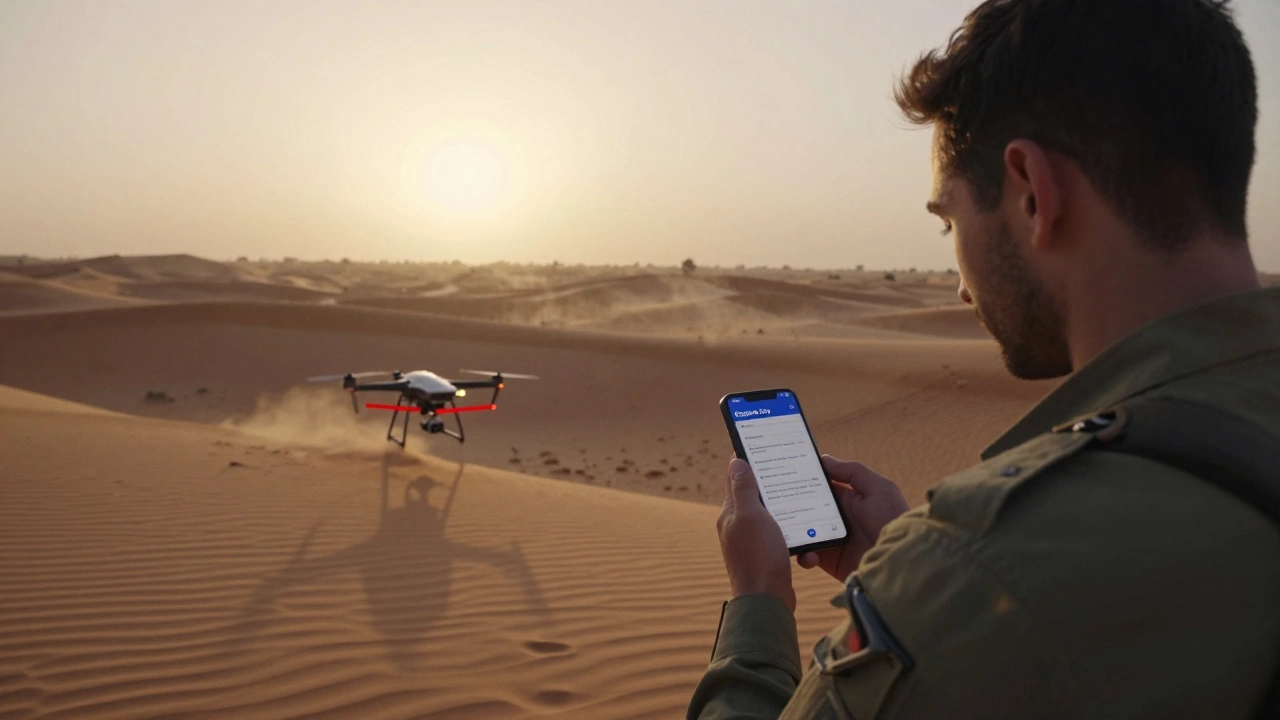
- Desert areas like Thar (Rajasthan) - far from borders and military zones
- Private property with written permission from the owner
- Forest reserves that are not near defense installations
- Historic sites like Hampi or Konark - if not marked as no-fly
Always check Digital Sky before you go. Even if a place was legal last year, it might be red now.
What Happens If You Get Caught?
Most enforcement happens at airports, during events, or through public complaints. If you’re caught:
- Officers will ask for your UIN and DPC
- If you don’t have them, your drone will be seized
- You’ll be issued a notice for a fine
- You can pay the fine online through Digital Sky
- If you don’t pay, your name goes on a national blacklist - you can’t register another drone for 2 years
There’s no "first offense" leniency. The system is automated. No appeals, no excuses.
Final Advice
Drone photography in India is possible - but only if you treat it like a licensed profession, not a hobby. The rules are clear. The penalties are real. The technology enforces them automatically.
If you want to capture stunning aerial shots in India, do it right. Register your drone. Get your certificate. Check the app. Respect the no-fly zones. The best photos aren’t the ones taken illegally - they’re the ones you can keep without losing your gear or your freedom.
Can I fly a drone in India without a license?
You can fly a drone under 250 grams without a pilot certificate, but you still need to register it on the Digital Sky Platform and get a Unique Identification Number (UIN). If you’re using the drone for any commercial purpose - even selling one photo - you need a Drone Pilot Certificate (DPC). Flying without a UIN or DPC when required is illegal and can lead to fines or confiscation.
What is the maximum altitude allowed for drones in India?
The maximum altitude allowed for all drones in India is 400 feet (122 meters) above ground level. This applies to all categories, whether you’re flying a Nano drone or a Large one. Flying higher is a violation and can result in heavy fines or criminal charges under the Aircraft Act, 1934.
Are there any places in India where drone photography is completely banned?
Yes. Drone photography is completely banned within 5 kilometers of any airport or airstrip, over military installations, nuclear facilities, international borders, and crowded public events. The Digital Sky Platform shows real-time no-fly zones in red. Even if a location looks empty, if it’s marked red on the app, flying is illegal.
Do I need insurance for my drone in India?
Yes, insurance is mandatory for all drones weighing more than 250 grams. This includes most photography drones like the DJI Mavic series. You can buy insurance from any provider offering aviation coverage. Many retailers in India include it with the purchase. Flying without insurance can lead to a fine of ₹1 lakh.
Can I bring a drone from abroad into India?
You can bring a drone into India, but you must have a valid import license from the DGCA and a registered UIN on the Digital Sky Platform. Customs officials use AI scanners to detect drones. If your drone is detected without proper documentation, it will be confiscated. There is no exception for personal use.
What happens if I fly my drone at night in India?
Flying a drone at night is strictly prohibited in India, regardless of category or purpose. All drone flights must occur during daylight hours only. Violating this rule can result in immediate confiscation of your drone and a fine of up to ₹2.5 lakh. Night flights are not allowed even with permission.
How do I check if a location is a no-fly zone in India?
Use the Digital Sky Platform app or website. Before every flight, open the app and check the interactive map. Red zones are no-fly areas. Green zones are permitted. The map updates in real time based on government notifications. Never rely on memory or old information - zones change frequently.
Is drone photography allowed over temples or religious sites in India?
Drone photography over temples or religious sites is generally not allowed unless explicitly permitted by local authorities and not marked as a no-fly zone on Digital Sky. Many religious sites are near populated areas or fall under restricted zones due to crowd safety. Even if the site seems quiet, assume it’s restricted unless confirmed otherwise.