What is Typically Included in a Wedding Photography Package? A Complete Guide
 Aug, 18 2026
Wedding Photography Package Estimator
Calculate a realistic price range based on typical UK market rates. Adjust the options below to match your needs.
Estimated Total Cost
UK Market AverageWhat's Included
Cost Breakdown
Walking into a meeting with a wedding photographer can feel like trying to decode a foreign language. One quote includes "full day coverage," another says "8 hours of shooting," and the third mentions "digital files" without specifying if they’re edited or raw. It’s easy to end up paying for less than you expected or wondering why your gallery took three months to arrive.
The truth is that wedding photography packages vary wildly depending on the photographer’s style, location, and business model. There is no single industry standard that dictates exactly what you get for your money. However, most professional packages follow a similar skeleton: hours of coverage, number of photographers, post-production work, and delivery format. Understanding these components helps you compare apples to apples and avoid unpleasant surprises on your big day.
Core Components of Every Package
Regardless of whether you choose a budget-friendly option or a luxury experience, certain elements are non-negotiable in any professional service. These form the baseline of what you should expect when you book a shooter.
- Hours of Coverage: This is the clock time the photographer is booked for. A typical UK wedding might require 6 to 10 hours. If your ceremony starts at 3 PM and the first dance ends at 9 PM, you need at least 7 hours of coverage. Be careful with "half-day" packages; they often only cover 4-5 hours, which might not be enough for both the ceremony and reception highlights.
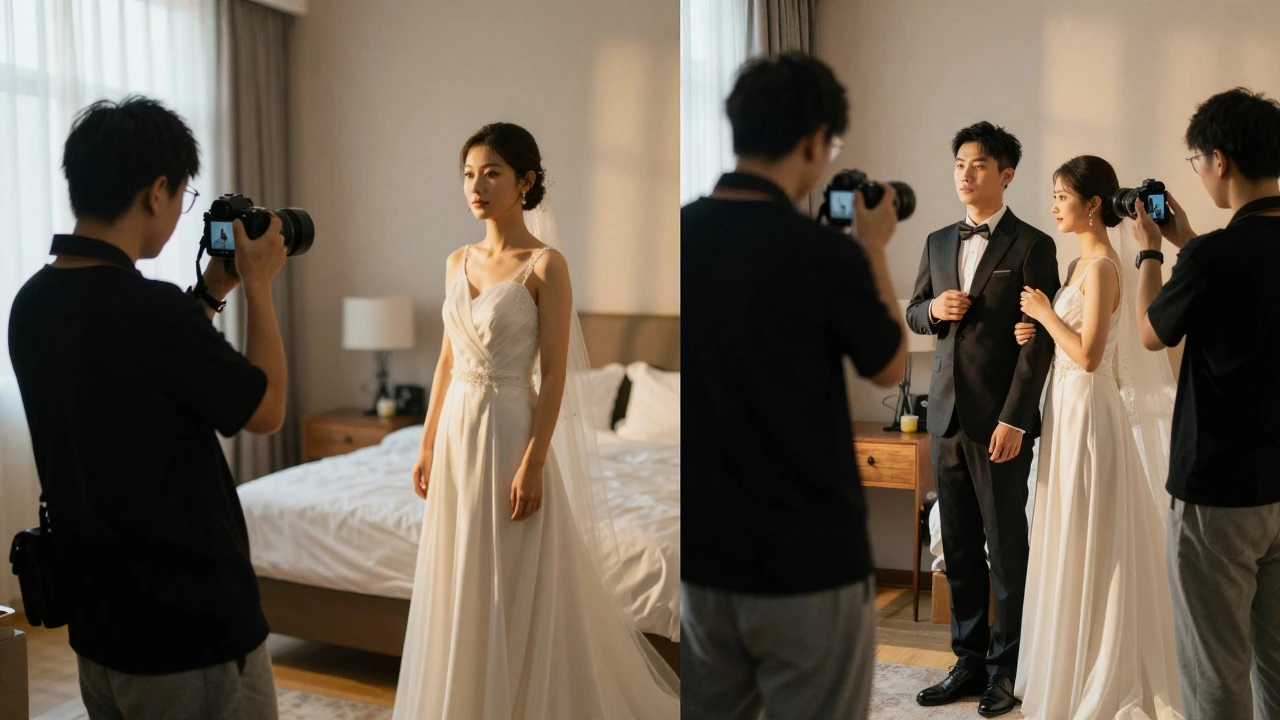
- Number of Photographers: Most packages include one lead photographer. Larger packages (usually above £2,500) may include a second shooter or assistant. Having two people allows for simultaneous angles-for example, capturing the bride getting ready while the groom prepares elsewhere.
- Digital Files: You will receive high-resolution digital images. The key question here is whether you get all shots or just the selected ones. Most modern packages provide a curated selection of edited images rather than every single frame taken.
- Post-Production Editing: This is where the magic happens. Raw files straight from the camera are flat and dull. Professional editing involves color correction, exposure adjustment, and minor retouching. Ask specifically how many images are fully edited versus simply color-corrected.
What Varies Between Budget and Premium Tiers
Once you move past the basics, the differences between a £1,500 package and a £4,000 package become clearer. These distinctions often revolve around convenience, speed, and artistic control.
| Feature | Standard Package | Premium Package |
|---|---|---|
| Coverage Duration | 4-6 hours | 8-12+ hours |
| Photographers | 1 Lead Photographer | Lead + Second Shooter/Assistant |
| Delivery Time | 8-12 weeks | 4-6 weeks (or teaser within 48 hours) |
| Albums & Prints | Not included (add-on) | Often included or discounted |
| Pre-Wedding Shoot | Rarely included | Frequently included |
| Online Gallery Access | Basic password-protected link | Interactive platform with sharing tools |
One significant differentiator is the teaser gallery. Many premium photographers offer a small batch of 10-20 edited photos within 48 hours of the wedding. This is incredibly valuable if you want to share some moments on social media before the full album is ready. In contrast, standard packages often wait until the entire set is processed, which can take two to three months.
The Hidden Costs: Add-Ons and Upsells
When comparing quotes, look beyond the headline price. Several common add-ons can significantly increase the final bill if not negotiated upfront.
- Travel Fees: If you are booking a photographer from Birmingham for a venue in London, expect travel costs. Some local photographers waive this within a 20-mile radius, but longer distances incur mileage charges or hotel stays for destination weddings.
- Overtime Rates: If the party runs late, overtime usually costs an hourly rate (often 50% of the base daily rate). Clarify what constitutes "overtime"-is it after the contract end time, or after a specific grace period?
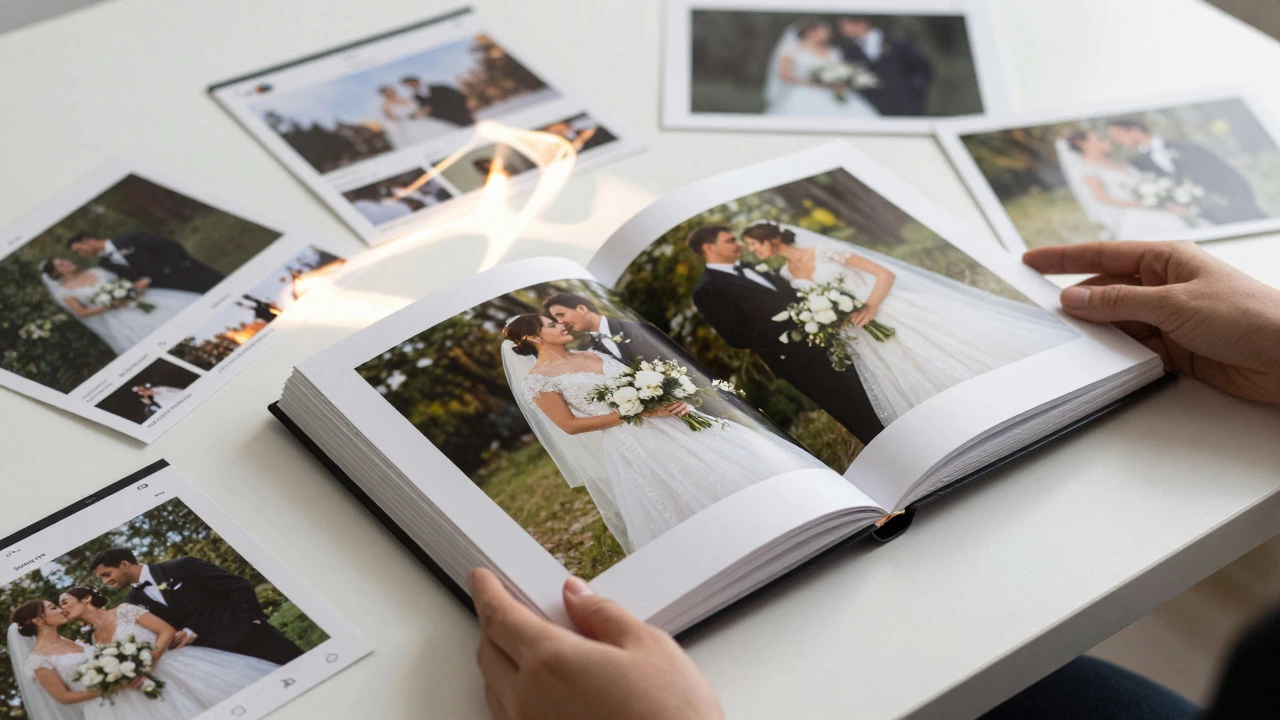
- Prints and Albums: While digital files are standard, physical products are rarely included in the base price. Fine art albums can cost anywhere from £400 to £1,500+. If you want them, ask if there is a discount for purchasing directly through the photographer versus a third-party printer.
- Engagement Sessions: A pre-wedding shoot helps you get comfortable in front of the camera. Not all packages include this. If it’s not included, it typically costs an extra £200-£400.
Understanding Delivery Formats and Rights
How you receive your photos matters as much as what you receive. Most UK photographers use online galleries hosted on platforms like Pixieset or Zenfolio. These allow you to view, download, and share images securely.
You also need to understand your usage rights. Almost all contracts grant you Personal Usage Rights is the legal permission to use photographs for private purposes such as family albums, personal websites, and social media posts without commercial gain. This means you can print photos for gifts or post them on Instagram. However, it does not mean you own the copyright. The photographer retains the right to use the images for their portfolio, website, and marketing unless you negotiate otherwise.
If you plan to use images for commercial purposes (like a brand campaign), you’ll need a separate license. Conversely, if you prefer privacy, ask if the photographer reserves the right to publish all images or only those they select for their portfolio.
Questions to Ask Before Signing
To ensure you get exactly what you need, bring this checklist to your consultation. The answers will reveal how organized and transparent the photographer is.
- What is the exact start and end time of coverage?
- Is a second photographer included, or is it an add-on?
- How many edited images can I expect in the final gallery?
- What is the guaranteed delivery date for the full gallery?
- Do you offer a sneak peek/teaser gallery, and how soon?
- What happens if you fall ill on the wedding day? Is there a backup photographer?
- Are travel fees included for my venue location?
- Do I have full personal usage rights for all delivered images?
A reliable photographer will answer these questions confidently. If they hesitate on delivery times or backup plans, that’s a red flag. Your wedding day is a once-in-a-lifetime event, and you need a team that has a plan B for everything.
Common Pitfalls to Avoid
Many couples make the same mistakes when selecting a package. Avoid these traps to protect your budget and your memories.
Ignoring the Edit Style: Look at recent portfolios, not just the highlight reel. Do they favor bright and airy tones or moody, dark edits? Ensure their style matches your vision, as changing it later is difficult and costly.
Assuming "All Photos" Means Everything: Few photographers deliver every single shot. They cull the best images. If you really want every frame, specify this in the contract, but be prepared for a larger file size and potentially lower quality consistency.
Skipping the Contract Review: Read the fine print regarding cancellation policies, rescheduling fees, and liability. What happens if the weather ruins the outdoor shots? Usually, it’s a force majeure clause, meaning no refund, but good communication is key.
Final Thoughts on Choosing the Right Fit
There is no "best" package, only the right one for your priorities. If you value quick social media updates, prioritize a photographer who offers fast teasers. If you care about multiple angles, invest in a second shooter. If physical keepsakes are important, budget for albums early.
Take your time. Compare at least three photographers who have shot at your venue recently. Ask for references from past clients. When the details align with your expectations and you feel a genuine connection with the photographer, you’ve found the right fit. Your wedding photos are among the last things you’ll see from that day, so make sure the process behind creating them is as stress-free as possible.
How many photos are typically included in a wedding photography package?
Most professional packages include between 400 and 800 fully edited images for a standard 8-hour wedding. This number varies based on the photographer's culling style and the length of the event. You generally do not receive every single shot taken, only the best selections.
What is the average turnaround time for wedding photos?
In the UK, the average delivery time for a full gallery is 8 to 12 weeks. Premium services may offer a teaser gallery within 48 hours and the full set within 4 to 6 weeks. Always confirm the specific timeline in your contract.
Do I own the copyright to my wedding photos?
Usually, no. Under UK law, the creator (photographer) owns the copyright. However, you are granted personal usage rights, allowing you to print, share, and display the photos privately. Commercial use requires a separate license.
Is a second photographer worth the extra cost?
Yes, for most weddings. A second shooter captures simultaneous events, such as the bride and groom getting ready separately, and provides additional angles during the ceremony and speeches. It ensures no moment is missed due to positioning constraints.
What should be included in the contract?
Your contract should clearly state the hours of coverage, number of photographers, delivery dates, total cost, payment schedule, cancellation policy, and usage rights. It should also outline what happens if the photographer is unable to attend due to illness or emergency.