Why is Leica so expensive? A Real Look at the Price Tag
 Oct, 13 2026
Leica Value Calculator
Is the red dot worth it? Adjust the sliders below to see how your priorities align with the Leica philosophy versus mass-market efficiency.
Your Photography Profile
Current Recommendation
Neutral
Adjust sliders and click calculate to see if a Leica fits your workflow.
Leica Compatibility Score: 0%
Based on your inputs regarding craft, discretion, and investment.
Why this score?
Alternative Consideration
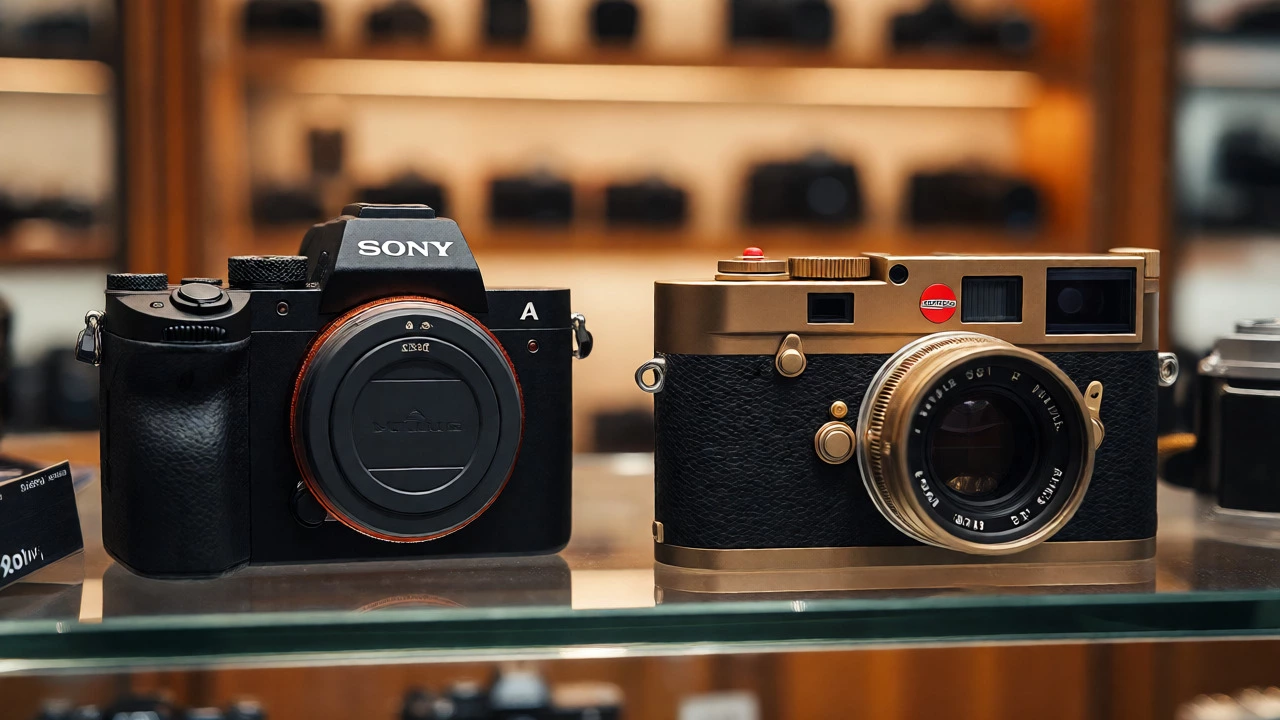
You walk into a camera shop in Delhi or browse online, and you see a Leica M11 sitting there for ₹6.5 lakhs. Then you look next to it at a Sony A7IV that does everything a pro needs for half that price. It feels like a rip-off, right? Why pay double-or triple-just for a red dot on the front? If you have ever stared at a Leica price tag and wondered if your eyes were deceiving you, you are not alone. The short answer is that Leica isn't just selling you a sensor and a lens; they are selling you a piece of mechanical art, a legacy, and a specific way of seeing the world. But let's break down exactly where that money goes, because it’s not just marketing fluff.
It’s Not About Mass Production
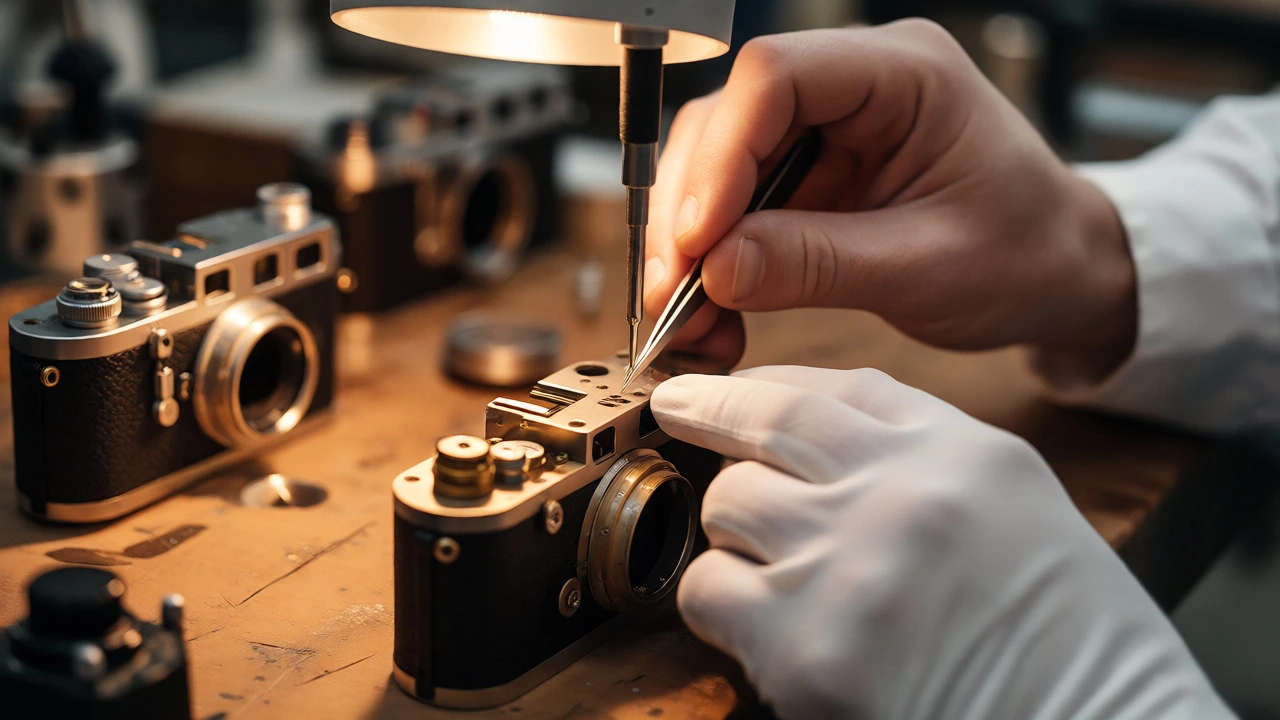
Here is the biggest difference between Leica and everyone else: scale. Canon, Nikon, and Sony produce millions of units a year. They use automated assembly lines where robots do most of the heavy lifting. Leica? They make thousands. In their Wetzlar factory in Germany, humans assemble these cameras. I’m talking about actual people with screwdrivers and tweezers, fitting parts together by hand. This approach is slow. It limits how many cameras they can ship each month. When supply is low and demand from collectors and enthusiasts stays high, prices stay high. It’s basic economics, but applied to precision machinery.
Think of it like buying a bespoke suit versus one off the rack. The off-the-rack suit fits fine and looks good. The bespoke suit is cut specifically for your body, stitched by a master tailor who has done this for thirty years. You pay for the time, the skill, and the fact that no two suits are exactly alike. With Leica, every unit is tested, adjusted, and calibrated by a technician. If a shutter mechanism doesn’t click with the exact resistance they want, it gets fixed before it leaves the factory. That level of quality control costs money per unit when you aren't spreading it over a million other cameras.
The Lens Game Changes Everything
You cannot talk about Leica prices without talking about glass. The bodies are expensive, sure, but the lenses are where the real investment lies. A Leica Summilux-M 35mm f/1.4 ASPH can cost more than a used car. Why? Because they grind and polish those glass elements to tolerances that mass-market manufacturers simply don’t bother with. Most modern lenses use plastic aspherical elements because they are cheap to mold. Leica often uses ground glass aspherical elements. Grinding glass is hard. It takes longer. It produces waste. But it results in an image rendering that has a certain "three-dimensionality" or pop that digital processing struggles to replicate.
| Feature | Leica (Luxury Tier) | Mainstream (Sony/Canon/Nikon) |
|---|---|---|
| Assembly Method | Hand-assembled in Germany | Automated robotic assembly (mostly Asia) |
| Production Volume | Low (Thousands/year) | High (Millions/year) |
| Material Quality | Machined brass, magnesium alloy, leatherette | Polycarbonate blends, cast aluminum |
| Lens Construction | Ground glass aspherics, metal barrels | Molded plastic aspherics, mixed materials |
| Resale Value | Retains 80-90% value easily | Drops 40-50% within 2 years |
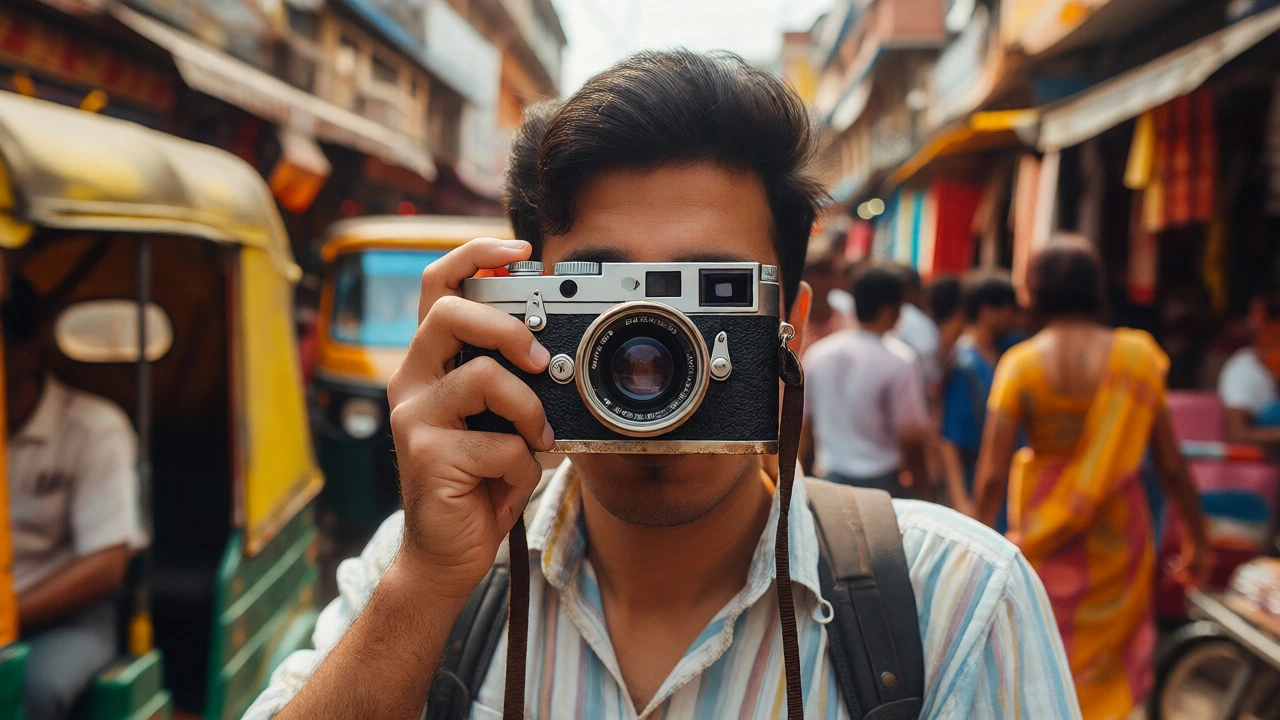
This isn't just snobbery. If you shoot street photography, the compact size and silent operation of a Leica rangefinder matter. You can get close to people without them feeling threatened by a giant black brick with a flashing light. That access is worth something to a photographer. And because the lenses are built to last decades, not just until the next model release, you aren't replacing them every three years. You buy a 50mm Summicron once, and it might outlive your first three camera bodies.
Brand Heritage Is a Tangible Asset
Leica didn't just invent the 35mm format; they defined what street photography looks like. Henri Cartier-Bresson, Robert Capa, Sebastião Salgado-these legends shot on Leicas. When you hold a Leica, you are holding a direct link to that history. The company markets this heritage heavily, but it’s not fake. It’s part of the product identity. For many buyers, owning a Leica is like owning a Rolex. It’s a status symbol, yes, but it’s also a badge of membership in a club of serious photographers who prioritize craft over specs.
In India, this status effect is amplified. Photography gear is often seen as a long-term asset. While a Canon R5 will lose value quickly as new models drop, a Leica M series tends to hold its price incredibly well. I’ve seen M10s sell for nearly what they cost new, even after five years of use. So, while the upfront cost is painful, the total cost of ownership might be lower than you think if you plan to resell. It’s rare for electronics to behave like stocks, but Leica pulls it off.
Do You Actually Need One?
Let’s be honest: for 95% of photographers, a Leica is overkill. If you shoot weddings, sports, or corporate events, you need autofocus speed, burst rates, and dual card slots. Leica M cameras are manual focus only. They are slow. They require you to slow down and think before you press the shutter. If you rely on AI subject detection to nail focus, you will hate a Leica M. However, if you shoot portraits, landscapes, or artistic projects where the final print matters more than the workflow speed, the image quality and handling justify the cost.
Consider the Leica Q3. It’s a full-frame compact with a fixed 28mm lens. It costs around ₹4.5 lakhs. Can you get similar specs from Sony? Yes. But the Q3 offers a shooting experience that feels tactile and immediate. The dials click with satisfying precision. The menu system is minimal because there are fewer buttons to confuse you. It removes the friction between seeing a moment and capturing it. That psychological benefit is hard to quantify, but ask any Leica owner-they’ll tell you they take more photos because they enjoy the process more.
The Hidden Costs of Ownership
Buying the camera is just the entry ticket. Servicing a Leica can be pricey. If you drop it and crack the screen, repairs aren't always covered under standard warranties in the same way they are for Japanese brands. Spare parts are scarce because production volumes are low. You might wait weeks for a repair. Also, accessories are marked up. A simple strap can cost ₹15,000. A protective case another ₹10,000. These small add-ons pile up fast.
However, the durability offsets some of this. I know photographers using Leica M6 film cameras from the 1980s that still work perfectly. Modern digital Leicas are built with the same philosophy. They use brass top plates that develop a patina over time, showing wear and tear proudly rather than hiding it. It’s designed to age, not to be discarded. In a world of planned obsolescence, that’s a refreshing change.
Final Verdict: Worth the Hype?
So, why is Leica so expensive? Because they refuse to compete on volume. They choose craftsmanship over efficiency, heritage over hype, and longevity over disposability. If you view a camera purely as a tool to capture pixels, Leica is bad value. You can get better specs for less money elsewhere. But if you view a camera as an instrument-an extension of your eye that you interact with daily-the price makes sense. You’re paying for the joy of use, the build quality, and the potential for resale value. If you have the budget and the patience for manual focus, give it a try. Rent one for a weekend. Shoot all day. If you find yourself smiling every time you lift it to your eye, then the price tag isn't just a number-it’s an investment in your creative happiness.
Is Leica better than Sony for professional work?
For most professional genres like sports, wildlife, and journalism, Sony is better due to superior autofocus and burst speeds. Leica excels in portrait, street, and landscape photography where image quality and discreetness are prioritized over speed.
Do Leica cameras hold their value in India?
Yes, Leica cameras retain value significantly better than mainstream brands. Due to limited production and high demand among collectors, models like the M series often sell for 80-90% of their original retail price even after several years of use.
Why are Leica lenses so much more expensive than Sigma or Tamron?
Leica lenses use higher-grade optical glass, including ground aspherical elements, and feature all-metal construction with tighter manufacturing tolerances. Third-party lenses use molded plastic elements and automated assembly to reduce costs, which affects both durability and optical character.
Is the Leica Q3 worth buying in 2026?
The Leica Q3 is worth it if you want a high-quality, pocketable full-frame camera with excellent video capabilities and don't mind a fixed 28mm lens. It offers superb image quality and build, but lacks the flexibility of interchangeable lens systems.
Can I use Leica lenses on other camera brands?
M-mount Leica lenses can be adapted to mirrorless cameras like Sony E-mount or Canon RF via adapters, though autofocus is usually lost or limited. L-mount Leica lenses are compatible with Panasonic and Sigma L-mount cameras, offering full electronic communication.