Can I Bring a Drone from the USA to India? Complete Guide for 2026
 Jul, 7 2026
Drone Import & Flight Cost Estimator
Trip Details
Results & Compliance Check
Enter your trip details to see estimated costs, legal requirements, and zone restrictions.
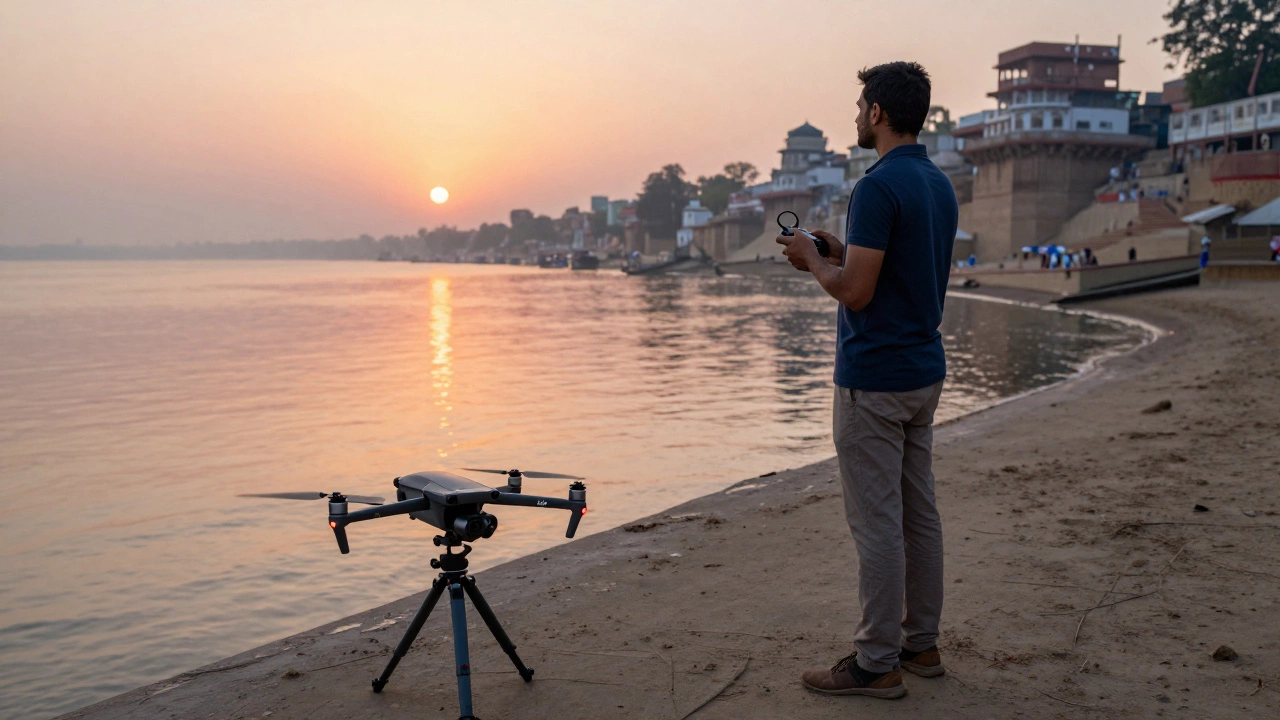
Imagine standing on the banks of the Ganges at sunrise, your DJI Mavic 3 is a high-end consumer drone popular among photographers for its camera quality and flight stability ready to capture the moment. You packed it carefully in your carry-on, cleared US customs without issue, and now you’re landing in Delhi. But before you can launch that drone, there’s a wall of bureaucracy waiting for you. The short answer to "Can I bring a drone from the USA to India?" is yes-but only if you follow strict protocols set by the Directorate General of Civil Aviation (DGCA). Miss one step, and your expensive gadget could be confiscated, or worse, you could face legal trouble.
India has tightened its drone regulations significantly since 2021 with the introduction of the Drone Rules 2021 are regulations governing the manufacture, import, ownership, operation, and disposal of drones in India. These rules were designed to boost the domestic drone industry while ensuring national security. For travelers bringing personal equipment, this means you cannot simply walk through immigration with a drone in your bag. You need permits, registrations, and specific declarations. This guide breaks down exactly what you need to do, from buying your ticket to landing your first shot in Varanasi.
Understanding the Legal Framework: DGCA and Digital Sky
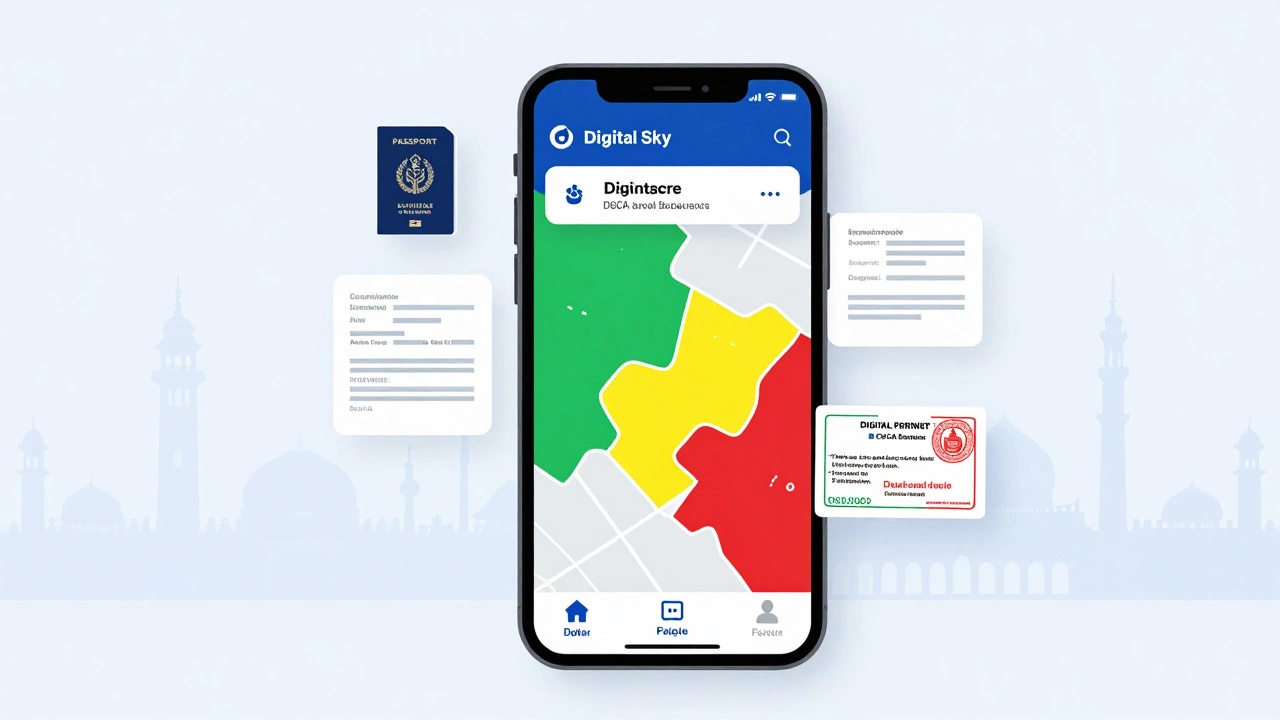
The core authority you’ll deal with is the Directorate General of Civil Aviation (DGCA) is the regulatory body for civil aviation in India, responsible for issuing drone permits and licenses. They manage everything through an online portal called Digital Sky is the official government platform for drone registration, permit applications, and air traffic management in India. If you haven’t heard of Digital Sky, stop reading this and go create an account immediately. It’s free, but it requires an Aadhaar card or passport verification, so start early.
Under the current rules, any drone brought into India must be registered. There is no "tourist exemption" that lets you fly without paperwork. Even if you plan to use the drone for just one day, you are legally required to register it as a Temporary Permit holder. The process involves uploading details about the drone’s make, model, serial number, and weight category. Micro drones (under 250 grams) have slightly relaxed rules, but they still require registration if used for commercial purposes or near sensitive areas. Since most photography drones like the DJI Air 3 or Mavic series weigh more than 250 grams, you fall into the Small Drone category, which mandates stricter compliance.
Step-by-Step Process to Import Your Drone
Bringing a drone from the USA isn’t just about packing it; it’s about preparing documentation weeks in advance. Here is the practical workflow:
- Create a Digital Sky Account: Use your passport details. You’ll need to verify your identity. As a foreign national, you will likely need a local sponsor or partner organization in India to facilitate certain permit types, especially for commercial shoots. For purely recreational use, individual registration is possible but scrutinized heavily.
- Register the Drone: Upload the drone’s Unique Identification Number (UIN). If you bought the drone in the USA, it won’t have an Indian UIN yet. You must apply for a temporary UIN or ensure the manufacturer provides the necessary export documentation that links the device to your profile. Note: Drones manufactured outside India often face hurdles here because the system prefers domestically assembled units.
- Apply for a No Objection Certificate (NOC): Before you even book your flight, identify where you want to fly. If it’s within 5 km of an airport, military installation, or border area, you need explicit permission from the relevant authorities (Airports Authority of India, Ministry of Defence, etc.). This can take days or weeks.
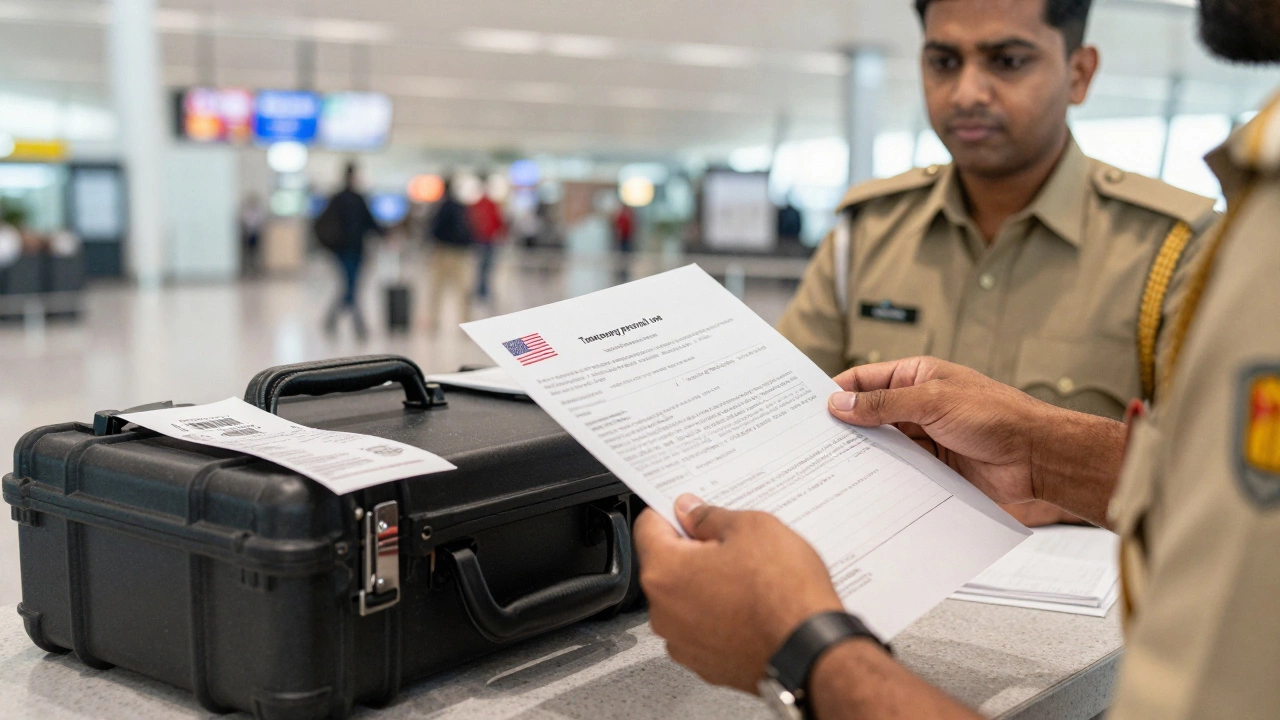
- Declare at Customs: When arriving in India, you must declare the drone on your customs form. Failure to declare is considered smuggling. Show them your Digital Sky registration proof and purchase invoice. Be prepared for questions.
- Pay Duties: If the drone is deemed for personal use and not re-exported, you may have to pay customs duty. However, if you are taking it back to the USA, you can apply for a Carnet or temporary admission clearance to avoid paying duties. This is crucial-paying full import duty on a $2,000 drone is a financial hit you want to avoid.
Customs Clearance and Duty Issues
This is where most travelers get stuck. Indian customs officers are trained to look for undeclared electronics. A drone looks like a toy, but it’s classified as sophisticated electronic equipment. When you land at Indira Gandhi International Airport (DEL) or Chhatrapati Shivaji Maharaj International Airport (BOM), head straight to the Red Channel (Goods to Declare).
You should carry three documents printed out:
- The original purchase receipt from the USA showing the price and date.
- A copy of your Digital Sky registration application status.
- A letter stating the drone is for temporary personal use and will be exported upon departure.
If you fail to declare it, the drone will be seized. Recovering it later involves heavy fines and legal notices. On the flip side, if you declare it properly, the officer might stamp your passport or the document as "Temporary Admission." Keep this stamp safe. You’ll need it when you leave India to prove you didn’t sell the drone locally.
Flying Restrictions: Where Can You Actually Fly?
Getting the drone into the country is half the battle. Flying it is the other half. India has vast "No-Fly Zones." Under the Drone Rules 2021, the airspace is divided into Green, Yellow, and Red zones.
| Zone Color | Description | Permission Required? |
|---|---|---|
| Green Zone | Open areas far from airports, borders, and sensitive sites. Usually rural or designated parks. | No prior approval needed for micro/small drones under 2 kg, but registration is mandatory. |
| Yellow Zone | Areas near airports, military bases, or within city limits. Requires dynamic approval via Digital Sky. | Yes, real-time approval via Digital Sky app before each flight. |
| Red Zone | Airport perimeters, international borders, nuclear facilities, and heritage sites like the Taj Mahal. | Strictly prohibited unless special permission from Ministry of Home Affairs/Defence is granted. |
Most tourist hotspots fall into Red or Yellow zones. For example, flying near the Taj Mahal is strictly banned due to security concerns around the monument and nearby air traffic. In contrast, some beaches in Goa or open fields in Rajasthan might offer Green Zone opportunities, but you must verify the exact coordinates on the Digital Sky map before launching.
Insurance and Liability
Did you know that third-party insurance is mandatory for all drones operating in India? Your US travel insurance policy almost certainly does not cover drone liability in India. If your drone crashes and damages property or injures someone, you are personally liable. The DGCA requires proof of insurance coverage of at least ₹5 lakh (approx. $6,000 USD) for small drones. You can buy this from Indian insurers like New India Assurance or ICICI Lombard, but the process takes time. Factor this into your pre-trip planning. Without valid insurance, your permit application on Digital Sky will be rejected.
What Happens If You Break the Rules?
The penalties are severe. Unauthorized drone flights can lead to:
- Confiscation of the drone and controller.
- Fines ranging from ₹2 lakhs to ₹10 lakhs ($2,400 - $12,000 USD).
- Criminal charges under the Bharatiya Nyaya Sanhita (BNS) if the flight compromises national security.
- Deportation or entry bans for foreign nationals involved in serious violations.
In recent years, police forces across India have been equipped with drone detection jammers. If you fly illegally in a restricted zone, your drone will likely be forced to land or captured mid-air. Don’t risk it. The beauty of India is worth capturing, but not at the cost of your freedom or finances.
Alternatives: Renting vs. Bringing Your Own
If the paperwork sounds overwhelming, consider renting. India has a growing market for local drone rentals. Companies in cities like Mumbai, Delhi, and Bangalore offer daily rentals of DJI Mavic and Mini series drones. The benefit? The drone is already registered in India, insured, and comes with a pilot who knows the local laws. You can hire a licensed drone pilot to shoot for you, which removes the liability from your shoulders entirely. For many photographers, paying $50-$100 a day for a rental + pilot is cheaper and less stressful than navigating the DGCA system.
Final Checklist Before You Fly
Before you lift off anywhere in India, run through this mental checklist:
- Is my drone registered on Digital Sky?
- Do I have valid third-party insurance?
- Am I in a Green Zone, or did I get real-time approval for a Yellow Zone?
- Is the weather clear? (Flying in rain or high winds is illegal and dangerous.)
- Am I maintaining visual line-of-sight?
- Have I checked for bird activity? (Disturbing wildlife is a separate offense.)
Bringing a drone from the USA to India is possible, but it demands respect for the law. Treat the regulations as part of the adventure, not a hurdle. With proper planning, you can capture stunning aerial footage of India’s diverse landscapes without legal headaches.
Can I fly a drone in India without registering it?
No. Under the Drone Rules 2021, all drones must be registered on the Digital Sky portal before operation. There are no exemptions for tourists or personal use. Flying an unregistered drone can result in confiscation and heavy fines.
Do I need a pilot license to fly a drone in India?
For micro drones (under 250g) used recreationally, a formal license is not always mandatory, but you must complete basic training modules available on Digital Sky. For small drones (250g - 2kg) and any commercial work, a Remote Pilot License (RPL) issued by DGCA is required. Foreigners typically need a local sponsor to obtain this.
Which drones are allowed in India?
Only drones that comply with Indian safety standards are allowed. Most popular consumer drones like DJI Mini 3 Pro, Air 3, and Mavic 3 are technically allowed if registered correctly. However, importing new drones for sale is restricted to promote local manufacturing. Personal imports for temporary use are permitted with declaration.
How much does it cost to register a drone in India?
The registration fee on Digital Sky is nominal, usually around ₹100-₹500 ($1.50-$6 USD) depending on the drone category. However, the hidden costs include third-party insurance (approx. ₹5,000-$70 USD per year) and potential consultant fees if you hire help to navigate the permit process.
Can I bring a DJI Mini 3 Pro to India?
Yes, the DJI Mini 3 Pro weighs under 250 grams, making it a "Micro Drone." While it still requires registration on Digital Sky, the process is simpler compared to heavier drones. You do not need a remote pilot license for recreational use, but you must stay away from restricted zones and maintain visual line-of-sight.