Matte vs. Glossy Prints: The Best Finish for Event Photography in India
 May, 29 2026
Event Print Finish Recommender
Select the characteristics of your event photos to get a personalized print finish recommendation.
Why it works
Things to consider
Pro Tip for Photographers:
Imagine this: You’ve just finished shooting a massive wedding in Jaipur. The lighting was tricky, the colors were vibrant, and you captured every emotion perfectly. Now, it’s time to deliver the photos. Do you send them as high-resolution digital files, or do you offer printed albums? If you choose print, which finish wins-the sleek shine of glossy or the soft touch of matte?
In the world of event photography, especially within the bustling market of India, this isn’t just a technical question. It’s about how your clients perceive their memories. A wrong choice can lead to glare on screens, fingerprints ruining the look, or even fading over time. Getting the finish right ensures your work looks professional and lasts for decades.
The Science Behind the Shine
To make the right call, we need to look at what actually happens when ink meets paper. The difference between matte and glossy isn't just aesthetic; it's structural.
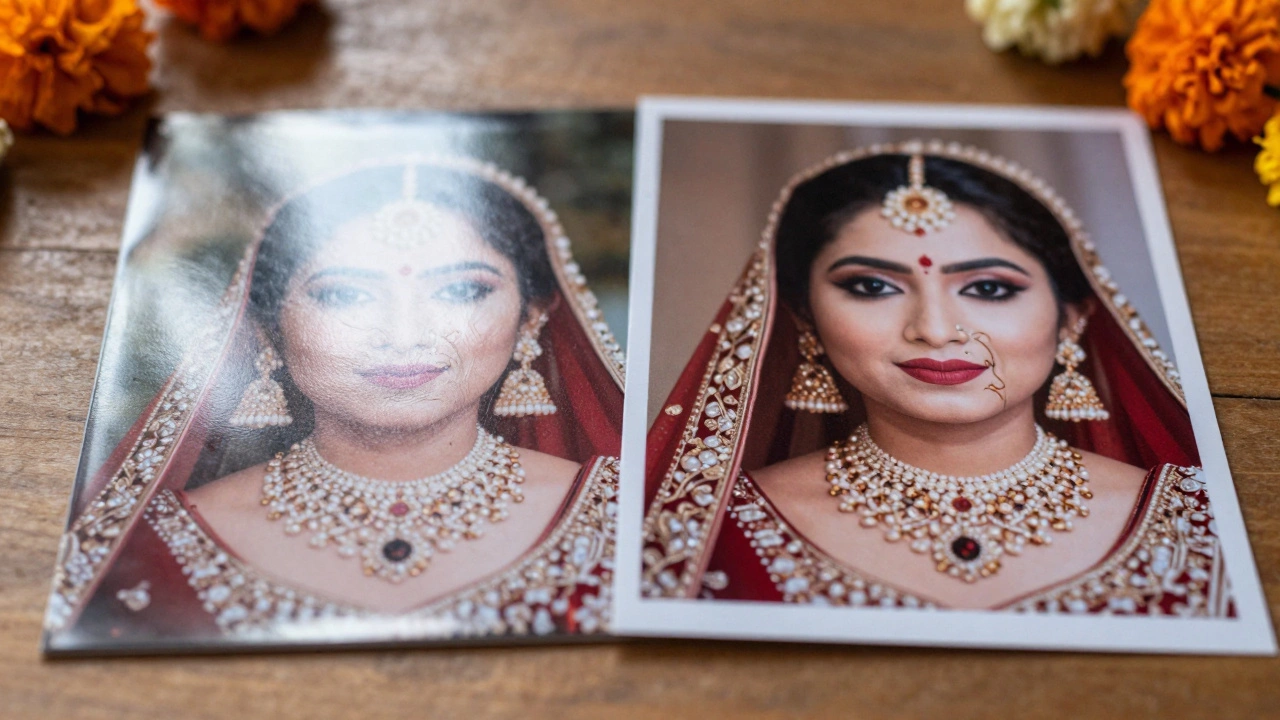
Glossy paper has a smooth, reflective coating. This layer sits on top of the fibers, allowing ink to sit closer to the surface. The result? Vibrant colors, deep blacks, and high contrast. When light hits a glossy print, it reflects directly back to your eye, making the image pop. This is why food photography and product shots often use glossy finishes-everything looks crisp and appetizing.
Matte paper, on the other hand, has a rougher texture. The coating absorbs more light rather than reflecting it. This diffusion creates a softer look with less contrast. Colors might appear slightly muted compared to glossy, but the image feels more organic and tactile. There is no reflection, meaning you can view the photo from any angle without seeing your own face staring back at you.
Why Indian Events Demand Specific Finishes
Event photography in India is unique. We aren't just talking about corporate seminars; we are talking about multi-day weddings with thousands of guests, bright neon lights, heavy jewelry, and intricate fabrics like silk and brocade. These elements change how we should approach printing.
Consider the lighting conditions. Many Indian venues, especially older havelis or outdoor mandaps, have mixed lighting. Flash photography is common. Glossy prints amplify the highlights from flash, sometimes creating harsh reflections that distract from the subject. Matte prints diffuse these highlights, giving a more balanced exposure in the final physical copy.
Then there is the factor of handling. In India, photo albums are not just stored in drawers; they are handled. Grandparents hold them, children flip through them, and friends gather around to admire them. Glossy surfaces are magnets for fingerprints. One oily thumbprint can ruin the look of a pristine portrait. Matte surfaces hide smudges much better, keeping the album looking clean even after months of use.
Glossy Prints: When to Choose Them
Glossy isn't bad. In fact, for certain types of event coverage, it is superior. Here is when you should recommend glossy to your clients:
- Vibrant Color Palettes: If the event featured bright sarees, colorful stage decorations, or vivid floral arrangements, glossy paper will reproduce those hues accurately. The saturation levels remain high.
- Detail-Oriented Shots: For close-ups of jewelry, mehndi designs, or cake textures, the sharpness of glossy paper captures fine details better than the softer matte finish.
- Modern Corporate Events: Tech conferences and product launches often prefer the sleek, modern look of glossy prints. They convey energy and precision.
However, be aware of the "glare factor." If the client plans to display these photos under glass frames in a living room with strong sunlight, glossy prints can become unreadable due to reflections. Suggesting UV-protective glass or switching to semi-gloss (luster) can mitigate this.
Matte Prints: The Classic Choice
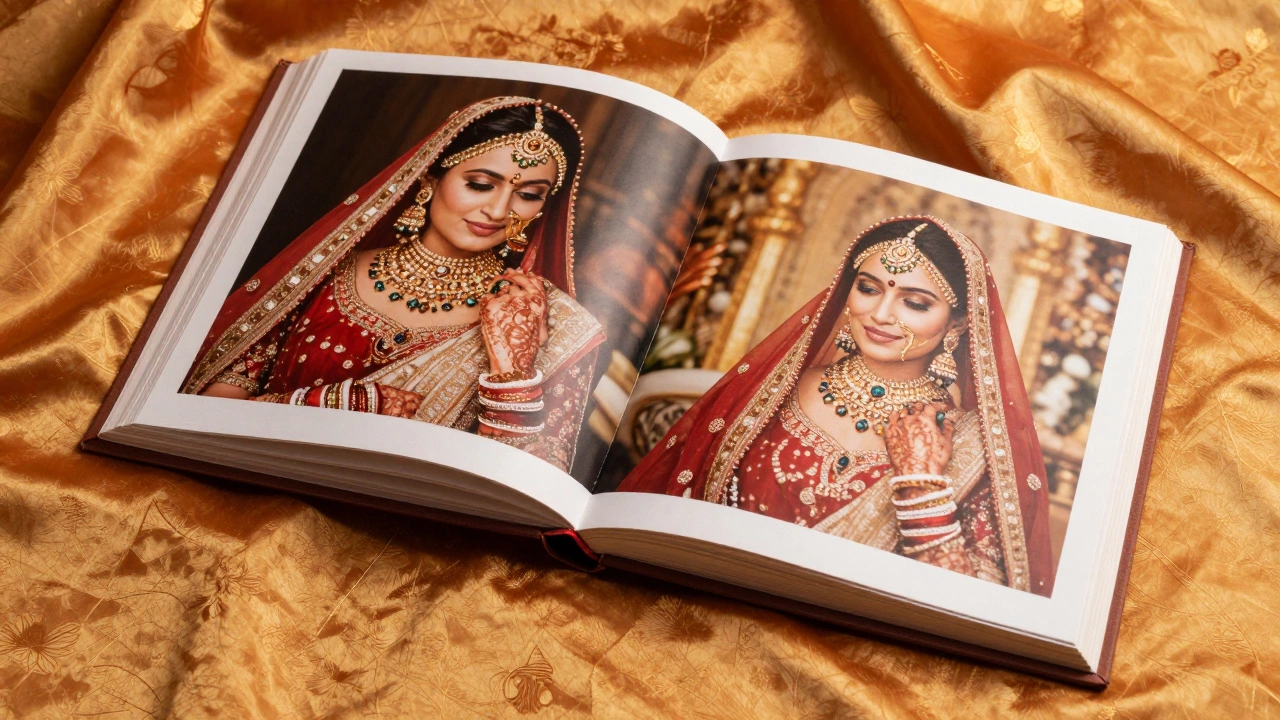
Matte has been the go-to for traditional wedding albums for years, and for good reason. It offers a timeless elegance that suits the emotional weight of Indian ceremonies.
- Skin Tones: Indian skin tones vary widely. Matte paper tends to render skin tones more naturally, avoiding the artificial "plastic" look that glossy can sometimes give to portraits.
- Black and White Photography: If you shoot artistic black and white candid shots, matte is almost always the better choice. It adds depth and grain structure that enhances the artistic feel.
- Album Longevity: Since matte hides fingerprints and scratches better, an album printed on matte paper will look newer for longer. This is crucial for heirloom pieces meant to last generations.
One downside? Matte prints can look dull if the original images weren't edited well. Because the paper doesn't boost contrast, you need to ensure your post-processing brings out enough definition before sending to the lab.
The Middle Ground: Luster and Pearl Finishes
If you find yourself stuck between the extremes, consider Luster paper (also known as pearl finish). This is a hybrid option that combines the best of both worlds. It has a subtle sheen-not as shiny as glossy, but not as flat as matte.
Luster paper is excellent for event photographers because it handles both vibrant colors and skin tones well. It resists fingerprints better than glossy and provides more contrast than matte. For Indian weddings, where you have both colorful decor and intimate portraits, luster is often the safest recommendation. It’s versatile and forgiving.
| Feature | Glossy | Matte | Luster/Pearl |
|---|---|---|---|
| Color Vibrancy | High | Moderate | High-Moderate |
| Glare/Reflection | High | None | Low |
| Fingerprint Resistance | Poor | Good | Good |
| Skin Tone Rendering | Can look artificial | Natural | Balanced |
| Best For | Product shots, vibrant decor | Portraits, B&W, heirlooms | All-purpose events |
Archival Quality: Beyond the Surface
Whether you choose matte or glossy, the underlying paper quality matters more than the finish. In India, humidity and heat can degrade cheap papers quickly. Look for archival-grade paper. This means the paper is acid-free and lignin-free, preventing yellowing over time.
Ask your printing lab about the ink type. Dye-based inks are cheaper but fade faster. Pigment-based inks are more expensive but offer superior longevity, often lasting 50+ years without significant fading. For high-end wedding clients who expect their albums to last a lifetime, pigment ink on archival paper is non-negotiable, regardless of the finish.
Client Psychology and Presentation
Your clients don't just buy photos; they buy emotions. How you present the finish options can influence their decision. Instead of asking "Do you want matte or glossy?", try showing them samples. Hold up a glossy print of a bride's face next to a matte one. Let them feel the texture. Let them see how the light interacts with each.
Many Indian families prefer matte for the main album because it feels more premium and substantial. They might opt for glossy for smaller snapshots or social media-style prints. Offering a mix can satisfy different preferences within the same family.
Practical Tips for Photographers
Here are some actionable steps to ensure your prints meet expectations:
- Calibrate Your Monitor: What you see on screen may not match the print. Use a color calibration tool to ensure accurate representation.
- Test Prints: Before committing to a full album, print a few test shots in both finishes. Check for color shifts and contrast issues.
- Communicate Clearly: Explain the pros and cons to your clients. Help them understand that matte won't look as "bright" as their phone screen, but it will look more natural in person.
- Consider Framing: If the client plans to frame photos, advise them on glass types. Anti-reflective glass works wonders with glossy prints.
Final Thoughts on Choosing the Right Finish
There is no single "best" finish. The right choice depends on the content of the photos, the client's usage habits, and the environment where the photos will be displayed. For vibrant, detail-heavy shots, glossy shines. For emotional, portrait-driven stories, matte endures. And for a balanced approach, luster offers versatility.
As an event photographer in India, your role extends beyond capturing moments. You are curating how those moments are remembered. By understanding the nuances of print finishes, you add value to your service and ensure your clients cherish their memories for years to come.
Is matte or glossy better for wedding albums in India?
For most Indian wedding albums, matte or luster finishes are preferred. Matte hides fingerprints and gives a classic, elegant look suitable for heirlooms. Luster offers a balance of vibrancy and durability. Glossy is less common for main albums due to glare and fingerprint issues.
Do glossy prints fade faster than matte?
The finish itself does not determine fading speed. Fading depends on the ink type and paper quality. Pigment inks on archival paper last longest, regardless of whether the finish is matte or glossy. However, glossy prints exposed to direct sunlight may show UV damage sooner due to higher reflectivity.
Which finish is best for black and white event photos?
Matte is generally considered the best finish for black and white photography. It enhances the tonal range and adds a subtle texture that complements the artistic nature of monochrome images. Glossy can make B&W photos look too stark or plastic-like.
How do I prevent fingerprints on glossy prints?
You cannot completely prevent fingerprints on glossy prints, but you can minimize their impact by using anti-static sleeves in albums or framing the prints behind glass. Educate clients to handle prints by the edges only.
What is luster paper and why is it popular?
Luster paper is a hybrid finish between matte and glossy. It has a slight sheen that boosts color vibrancy without causing excessive glare. It is popular because it resists fingerprints better than glossy while offering more contrast than matte, making it ideal for diverse event photography.