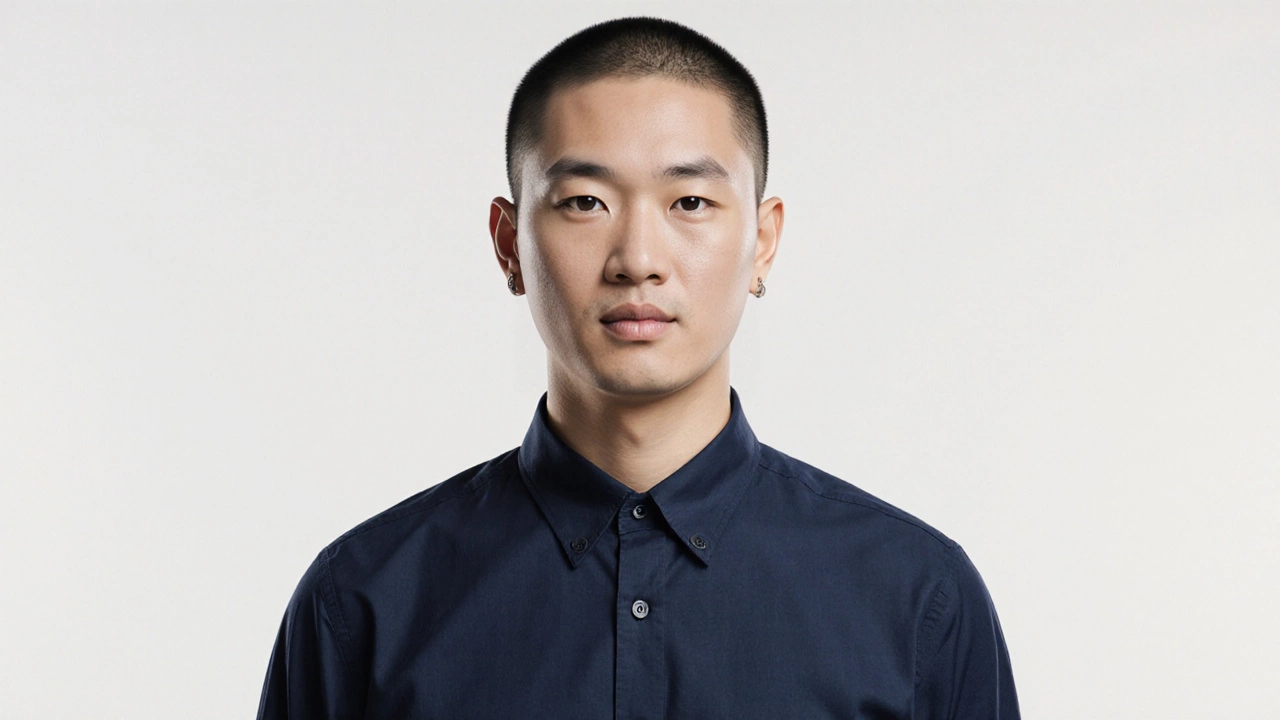
Passport Photo Clothing: What to Wear and What to Avoid
When you need a passport photo, a standardized image used for official identification in travel and government documents. Also known as biometric photo, it’s not just any picture—it’s a legal document requirement that must follow strict rules set by governments worldwide. One of the most common reasons these photos get rejected? The passport photo clothing you’re wearing. It’s not about fashion. It’s about clarity, contrast, and compliance. A wrong shirt, a scarf, or even the wrong shade of white can mean your application gets delayed—or worse, sent back.
What you wear directly affects how facial recognition systems read your face. If your clothing blends into the background, hides your neck, or casts shadows on your face, the system flags it. The rules are simple: solid color, no patterns, no high collars, no head coverings unless for religious reasons (and even then, your full face must be visible). Your clothing should contrast with the white or off-white background. That means dark shirts work best for light backgrounds, and light shirts for dark ones—but since most countries require white backgrounds, stick to dark, solid colors like navy, black, or deep green. Avoid white, cream, or light gray shirts—they disappear into the background. Glasses? Fine, but no glare. Hats? Only if required by religion. Jewelry? Keep it minimal. Earrings are okay, but big hoops or dangling necklaces? Skip them.
These aren’t just suggestions. They’re enforced by government agencies, and the same rules apply whether you’re applying for a U.S. passport, a UK visa, or an Indian e-passport. Many people think they can tweak a regular selfie and call it good. But passport offices use automated systems that scan for exact measurements, lighting, and clothing contrast. A photo that looks fine on your phone might fail instantly when processed. That’s why so many people end up going back to the photo studio—again—after wasting time and money.
What you wear in your passport photo matters more than you think. It’s not about looking your best. It’s about being recognizable, consistent, and compliant. And if you’ve ever had a photo rejected, you know how frustrating that delay can be—especially if you’re planning a trip. The good news? Avoiding rejection is easy once you know what to look for. Below, you’ll find real examples and fixes from people who’ve been there, plus tools and tips that actually work in 2025. No fluff. Just what you need to get it right the first time.