How Much Does a Small Factory Cost in India?
Setting up a small factory in India costs between ₹1.7 crore and ₹3.65 crore, depending on location, machinery, and permits. Learn the real breakdown of land, labor, equipment, and hidden costs.
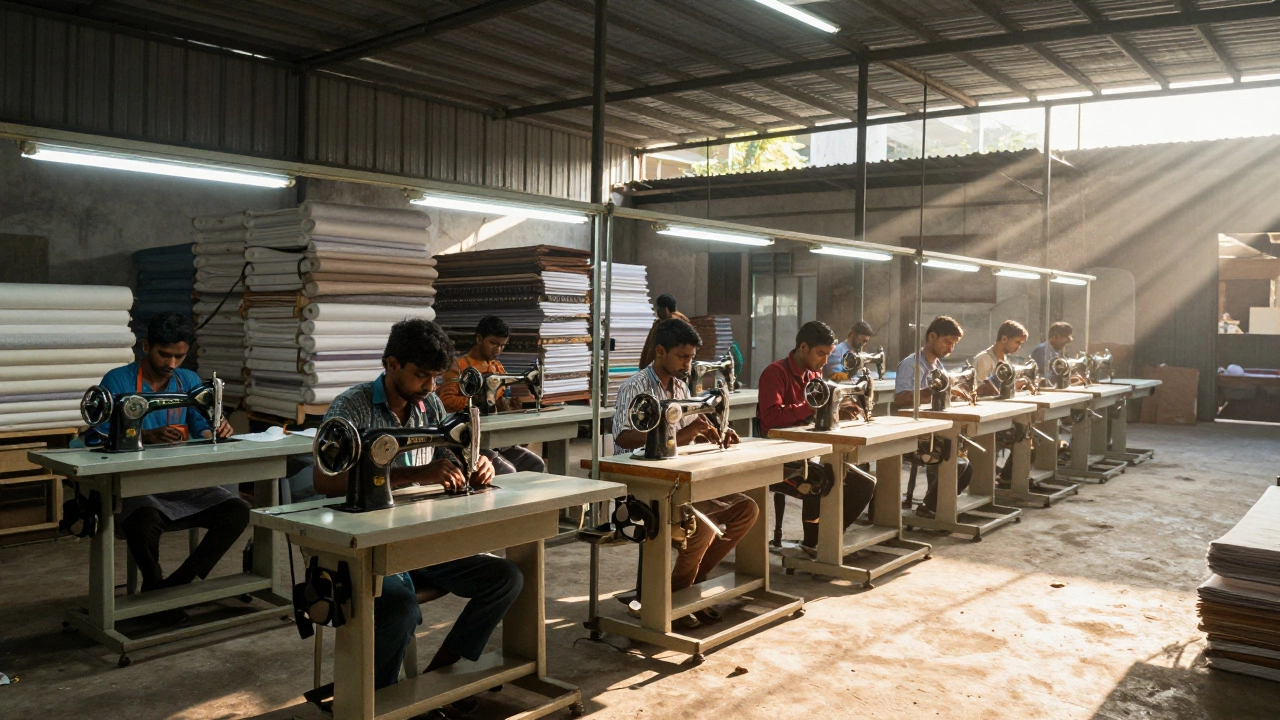
Starting a small factory, a small-scale manufacturing unit producing goods locally, often with fewer than 50 workers and limited automation. Also known as micro-manufacturing unit, it’s one of the most common ways Indians build businesses that create jobs and serve local demand. The cost isn’t just about machines—it’s about permits, power, space, labor, and hidden fees that catch people off guard. Many assume a factory means big investment, but in India, you can start small with under ₹10 lakhs if you know where to cut corners—and where not to.
Key factors driving cost include location, where land prices and utility access vary wildly—from rural clusters in Tamil Nadu to industrial zones near Pune, equipment, whether you buy new Chinese imports or used local machinery, and labor, wages that differ by state, skill level, and union rules. A tiny textile unit in Ludhiana might cost ₹8 lakhs for machines and rent, while a food processing setup in Kerala could hit ₹15 lakhs due to stricter hygiene rules. Don’t forget registration fees under Udyam, GST, fire safety clearances, and pollution control—these add 10–20% on top.
What most beginners miss? Power backup. A single phase connection won’t cut it for motors. You’ll need a diesel generator or solar setup, which adds ₹1–3 lakhs. Water supply, drainage, and worker housing are often afterthoughts—but they’re mandatory. Some states offer subsidies for SC/ST entrepreneurs or women-led units, cutting costs by 25–40%. And while big factories use automated lines, small ones thrive on skilled hands—so training your team matters more than buying the fanciest machine.
You’ll find real examples below: how a small pickle factory in Andhra Pradesh kept costs under ₹6 lakhs, why a metal fabrication unit in Gujarat spent double on permits, and how one entrepreneur saved ₹4 lakhs by leasing space instead of buying. These aren’t theory—they’re real stories from people who did it. Whether you’re thinking of making candles, packaging snacks, or assembling electronics, the path is the same: start small, know the rules, and avoid the traps that drain your budget before you even turn on the first machine.
Setting up a small factory in India costs between ₹1.7 crore and ₹3.65 crore, depending on location, machinery, and permits. Learn the real breakdown of land, labor, equipment, and hidden costs.