What Is a Beginner Photographer Called? Titles, Roles, and Career Paths in India
 Jul, 17 2026
Photography Career Path & Salary Estimator
Select your current or target role to see estimated earnings, required skills, and career trajectory in the Indian market.
Intern
Observation & Basic Tasks
Assistant
Creative & Technical Support
Second Shooter
Independent Coverage
Freelancer
Stock / Editorial
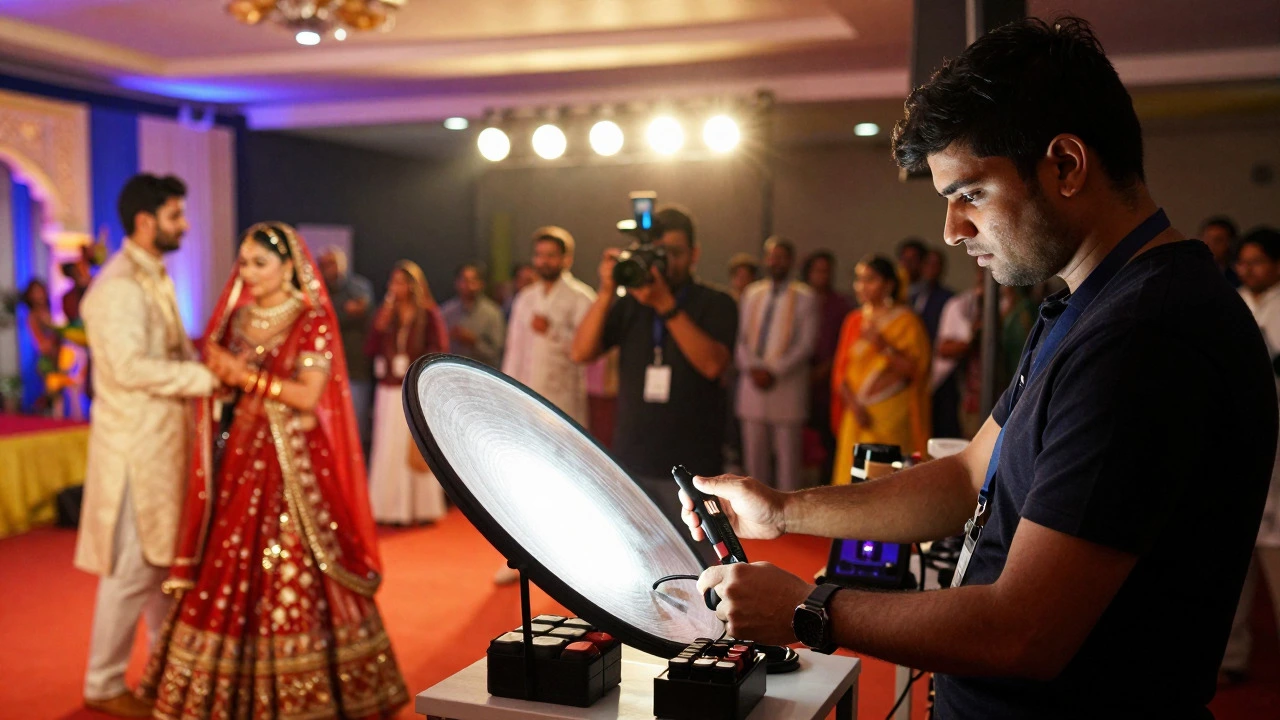
Ever walked into a wedding hall in Mumbai or a corporate event in Bangalore and noticed the person carrying extra lenses, adjusting lights, and following a senior shooter around? You might have wondered what to call them. Are they just helpers? Interns? Or is there a specific professional title for someone starting out in this visual industry?
The short answer is that there isn't one single word that fits every situation. However, in the professional world of photography, which encompasses everything from casual snapshots to high-end commercial shoots, the most common and respected term for a beginner working under supervision is an Assistant Photographer. This role serves as the primary entry point for those looking to break into the competitive market of visual storytelling and image capture services.
The Professional Title: Assistant Photographer
If you are handing over your camera bag to a mentor or joining a studio team, you are likely an assistant. This title carries weight because it implies active participation in the creative process, not just logistical support. In the context of event photography in India, where weddings and festivals involve hundreds of guests and complex lighting conditions, assistants are crucial.
An assistant’s job goes beyond holding reflectors. They manage gear, ensure backup batteries are charged, help with lighting setups, and often take candid shots from secondary angles. For example, during a traditional Indian wedding sangeet ceremony, while the lead photographer captures the main couple dancing, the assistant focuses on the reactions of the elders or the details of the decor. This dual coverage ensures no moment is missed.
- Primary Responsibility: Supporting the lead photographer during shoots.
- Key Skills Required: Knowledge of camera settings, lighting equipment, and client interaction.
- Typical Duration: 6 months to 2 years before moving to independent work.
Other Common Terms for Beginners
While "assistant" is the standard, you will hear other terms depending on the structure of the photography business. Understanding these distinctions helps you navigate job postings and studio hierarchies effectively.
| Title | Focus Area | Compensation Model | Learning Curve |
|---|---|---|---|
| Assistant Photographer | Creative & Technical Support | Salary or Per-Shoot Fee | High (Hands-on experience) |
| Photography Intern | Observation & Basic Tasks | Stipend or Unpaid | Medium (Structured learning) |
| Second Shooter | Independent Coverage | Per-Shoot Fee | Very High (Requires portfolio) |
| Freelance Contributor | Stock or Editorial Images | Royalty or Buyout | Variable (Self-directed) |
A Photography Intern typically works within a structured program, often associated with educational institutions or large media houses. Unlike an assistant who is expected to know the basics of exposure and composition, an intern is there to learn. They might spend their days editing raw files, organizing digital archives, or shadowing seniors without touching the camera initially.
On the other hand, a Second Shooter is a more advanced beginner role. This person is hired to cover the same event but operates independently. In Indian wedding photography, having a second shooter is standard practice to capture simultaneous events, such as the bride getting ready while the groom performs rituals elsewhere. This role requires a stronger portfolio and confidence, bridging the gap between assistant and lead photographer.
The Role of Education and Certification
In India, the path to becoming a recognized photographer often involves formal training. Many beginners start by enrolling in courses at institutes like the National Institute of Design or private academies in cities like Delhi and Pune. These programs provide foundational knowledge in optics, color theory, and post-processing software like Adobe Lightroom and Photoshop.
However, a degree alone does not make you a photographer. The industry values practical experience. A beginner with a certificate but no portfolio will struggle to find clients compared to someone with three months of assisting experience. Therefore, the title "student photographer" is temporary. Once you start charging for services, even if minimally, you transition into a professional capacity.

Navigating the Indian Event Photography Market
The landscape of event photography in India is unique due to the scale and cultural significance of events. Weddings can last several days, involving multiple ceremonies with distinct lighting challenges-from dimly lit indoor mandaps to bright outdoor garden parties. This environment demands resilience and adaptability from beginners.
For a beginner, breaking into this market usually starts with local community events, college fests, or small birthday parties. These lower-stakes environments allow you to practice posing subjects, managing crowds, and delivering edited photos within tight deadlines. As you build a reputation, you may be invited to assist on larger wedding packages, where the stakes and pay are significantly higher.
Networking plays a critical role. Attending photography meetups in cities like Hyderabad or Chennai can connect you with established photographers willing to take on assistants. Word-of-mouth referrals remain the strongest driver for hiring entry-level talent in this sector.
Essential Skills for Every Beginner
To move from being called a "helper" to a respected "assistant," you need to master specific technical and soft skills. Clients and lead photographers expect reliability and competence.
- Technical Proficiency: Understand aperture, shutter speed, and ISO intuitively. You should be able to adjust settings quickly without thinking.
- Lighting Knowledge: Learn how to use off-camera flashes, softboxes, and natural light modifiers. In Indian events, mixed lighting is common, requiring quick white balance adjustments.
- Post-Processing Workflow: Be efficient in editing tools. Speed matters when delivering hundreds of images after a long event.
- Client Communication: Practice directing subjects gently. Confidence helps put nervous families at ease during portraits.
- Gear Management: Keep equipment clean, organized, and backed up. Losing a memory card is a career-ending mistake for a beginner.
Building Your Portfolio as a Beginner
Your portfolio is your proof of skill. Even if you are just starting, document every shoot. Include a mix of genres-portraits, events, and street photography-to show versatility. Platforms like Instagram and Behance are essential for visibility. Tagging locations and using relevant hashtags can help potential mentors discover your work.
Collaborate with models, makeup artists, and stylists for test shoots. These collaborations not only expand your network but also provide high-quality images for your portfolio without the pressure of paying clients. Remember, consistency is key. Posting regularly keeps you engaged and visible in the algorithm-driven social media landscape.
Financial Expectations and Growth
Starting out, financial returns may be modest. Assistants in major metropolitan areas might earn between ₹10,000 to ₹25,000 per month, depending on the number of shoots and the reputation of the studio. Interns may receive smaller stipends or none at all. However, this phase is an investment in your future earning potential.
As you gain experience and transition to second shooter roles, your income can double. Independent photographers with a strong niche, such as pre-wedding or documentary style, can command premium rates. The key is to continuously upgrade your skills and equipment as your career progresses.
Common Pitfalls to Avoid
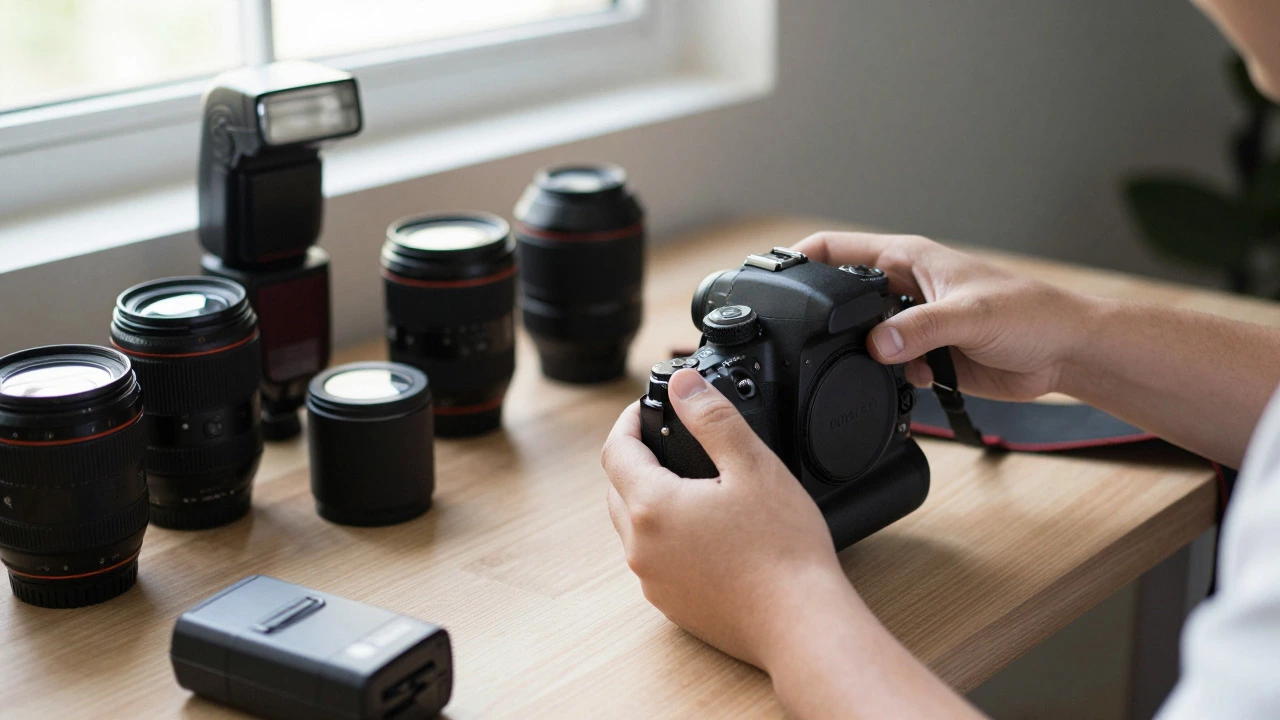
Newcomers often make mistakes that hinder their progress. One common error is focusing too much on expensive gear rather than mastering the fundamentals. A basic DSLR or mirrorless camera in skilled hands produces better results than a flagship model used incorrectly.
Another pitfall is neglecting contract basics. Always agree on deliverables, timelines, and payment terms upfront. Ambiguity leads to disputes and damaged reputations. Additionally, avoid comparing your early work to seasoned professionals. Growth takes time, and every expert was once a beginner struggling with focus and exposure.
Conclusion: Embracing the Journey
Becoming a photographer is a journey of continuous learning. Whether you are called an assistant, intern, or second shooter, each title represents a step toward mastery. By embracing these roles, seeking mentorship, and practicing diligently, you can build a successful career in the vibrant field of photography. Stay curious, keep shooting, and let your passion guide your path.
Is "junior photographer" a valid title?
Yes, "junior photographer" is sometimes used interchangeably with assistant photographer, though it is less common in professional contracts. It generally implies a similar level of responsibility and experience.
Do I need a degree to become an assistant photographer?
No, a formal degree is not mandatory. Practical experience, a strong portfolio, and technical skills are more valued by employers in the photography industry.
How long does it take to become a lead photographer?
It typically takes 2 to 5 years of consistent work, including assisting and second shooting, to develop the skills and client base necessary to lead projects independently.
What equipment should a beginner buy first?
Start with a reliable entry-level DSLR or mirrorless camera and a versatile kit lens. Add external flash units and sturdy tripods as you advance and understand your specific needs.
Can I freelance while working as an assistant?
Yes, many assistants take on small freelance gigs to supplement income and build their portfolio. Ensure there are no non-compete clauses in your employment contract.