What Is a Pre-Wedding Photoshoot? A Complete Guide for Couples
 Sep, 22 2026
Pre-Wedding Shoot Planner
Not sure which shoot style fits your relationship? Answer three quick questions to get a personalized recommendation and planning tips.
You’ve got the ring. You’ve picked the venue. But before you’re standing at the altar trying to look composed while your aunt cries in the third row, there’s a crucial step most couples skip or stress over: the pre-wedding photoshoot. It’s not just a fancy Instagram opportunity; it’s a strategic session designed to capture the raw, unfiltered chemistry between two people who are about to make their partnership official.
Think of it as a dress rehearsal for your camera presence. Most people freeze up when a lens points at them. They stiffen their shoulders, fake smiles, and forget how to stand naturally. A pre-wedding shoot fixes this. It builds muscle memory for being photographed, so on your actual wedding day, you aren’t learning how to hold hands for a photo while simultaneously trying not to trip over your train. If you are wondering what exactly goes into this process, why it matters more than ever in 2026, and how to pull it off without feeling like an awkward stock photo model, keep reading.
Defining the Pre-Wedding Shoot vs. Engagement Session
People often use these terms interchangeably, but they serve different purposes. An engagement session is typically a shorter, casual event focused solely on announcing the marriage. It’s often used for save-the-date cards and social media announcements. The vibe is celebratory and public-facing.
A pre-wedding photoshoot, however, is broader. It can include the engagement session but also encompasses lifestyle portraits, creative concepts, and sometimes even bridal gown trials. In many cultures, particularly across South Asia and parts of Europe, this is a major production involving multiple outfits, locations, and days. For Western couples, it’s increasingly becoming a hybrid: part announcement, part artistic portfolio that doubles as wedding decor.
The key difference lies in intent. Engagement shots say "We are getting married." Pre-wedding shoots say "This is who we are together." The latter gives you a richer narrative archive to draw from when designing your wedding website, thank-you cards, or gallery walls later in life.
Why You Should Actually Do One (Beyond the Likes)
It’s easy to dismiss this as vanity. But consider the logistics. Your wedding day will be chaotic. There will be rain delays, late caterers, and relatives who need twenty minutes to tell you a story you’ve heard ten times. You won’t have time for long, intimate portraits with your partner alone. You’ll be rushed through group shots and formal family photos.
A dedicated session solves this. It guarantees you get high-quality, relaxed images of just the two of you. No one else is in the frame. You can laugh, argue playfully, or just sit in silence. These moments create the emotional core of your wedding album. Plus, photographers love them. Why? Because they allow the photographer to understand your dynamic. If you know you’re terrible at posing, they can figure out which angles work best for you before the big day. This trust-building exercise pays dividends when you’re exhausted and happy on the wedding day itself.
Choosing the Right Style and Location
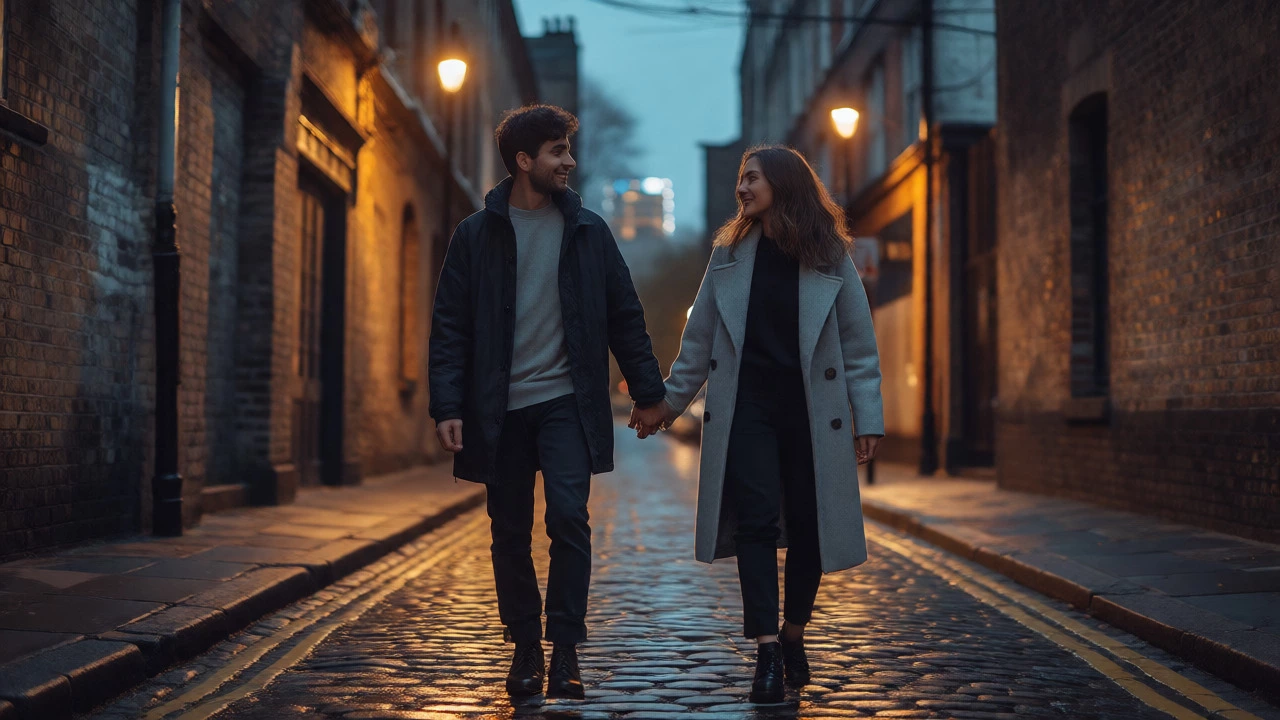
Your location sets the tone. Are you urban explorers? Go to a gritty industrial district in Birmingham or London. Love nature? A quiet forest path or a coastal cliff edge works wonders. Avoid tourist traps unless you go at dawn. Crowds kill intimacy. If you’re shooting in a city, scout spots that offer varied backgrounds-brick walls, glass buildings, green parks-so you don’t run out of visual interest after twenty minutes.
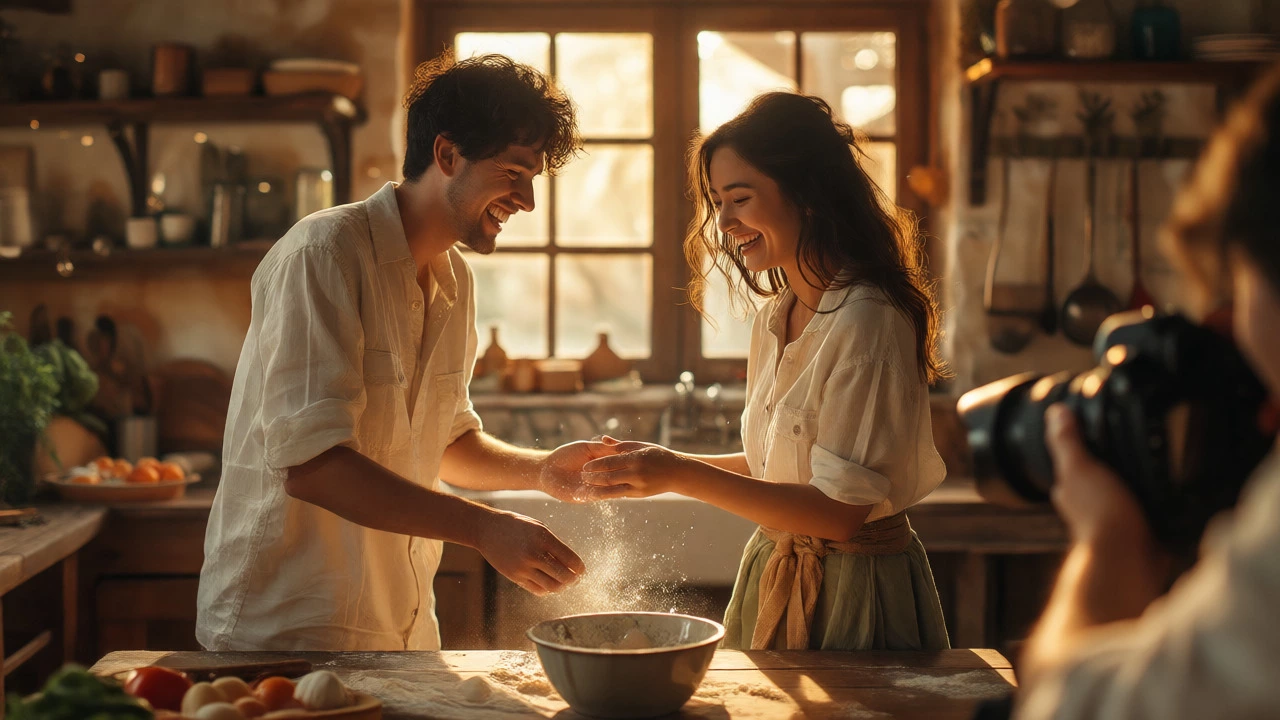
Style should reflect your relationship, not Pinterest trends. If you hate hiking, don’t book a mountain trek shoot because someone said it looks epic. You’ll be miserable, sweating, and complaining. Instead, choose activities you actually enjoy. Cook together in a rustic kitchen. Play pool in a dimly lit bar. Walk your dog. Authenticity beats aesthetics every time. When you’re doing something familiar, your body language relaxes, and your genuine personality shines through.
| Style | Best For | Effort Level | Time of Day |
|---|---|---|---|
| Classic Studio | Couples who want control and no weather risks | Low | Anytime |
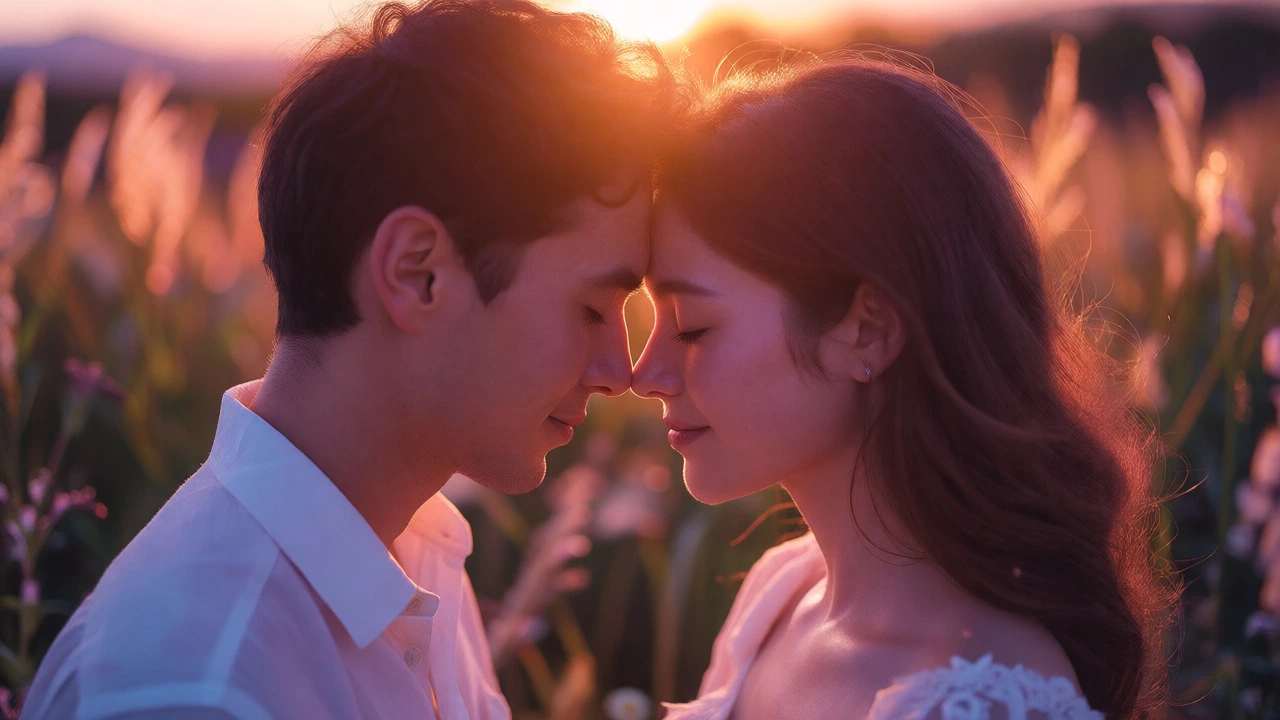
| Golden Hour Outdoor | Romantic, soft lighting and natural vibes | Medium | Sunset |
| Urban Street | Edgy, modern couples who like candid movement | High | Late Afternoon |
| Lifestyle/Home | Intimate, personal stories and comfort | Low | Morning/Day |
Wardrobe Mistakes That Ruin Photos
This is where most couples fail. They treat the shoot like a fashion show rather than a photo session. Here’s the rule: coordinate, don’t match. You do not need identical white shirts and jeans. You need complementary colors. Stick to earth tones, pastels, or monochromatic schemes. Avoid neon colors, large logos, and busy patterns. Small checks or stripes can cause moiré effects on camera sensors, creating weird wavy lines in your photos.
Comfort is non-negotiable. If your shoes hurt, you’ll walk differently. If your shirt is too tight, you’ll fidget. Bring layers. A jacket adds texture and depth to an image. Change outfits if you want variety, but limit it to two or three looks maximum. More changes mean less time shooting and more time fixing hair and makeup. Remember, the clothes are props. The focus is on you two.
How to Pose Without Looking Like a Mannequin
Stop trying to pose. Seriously. Static poses look dated. Instead, give yourselves actions. Walk hand-in-hand. Whisper a joke. Fix each other’s collar. Lean against a wall and look away, then turn back to each other. Movement creates flow. It captures the connection rather than the position.
Trust your photographer. If they say "look at me," do it. If they say "ignore the camera," ignore it. Many couples struggle because they think they need to perform happiness. Just interact with each other. Touch foreheads. Hold hands loosely. Laugh at inside jokes. The best photos happen in the seconds between instructions, when you let your guard down. If you feel silly, laugh about it. That laughter is gold.
Budgeting and Booking Timeline
In the UK, prices vary wildly. A basic half-day session might cost £300-£500. Full-day productions with multiple locations and styling can range from £800 to £1,500+. Factor in travel costs if you’re going to a remote location. Also, ask about retouching. Some photographers charge extra for advanced editing.
Book your photographer 4-6 months before the shoot date. Good ones fill up fast, especially during spring and summer weekends. Schedule the shoot at least 2-3 months before your wedding. This gives you time to edit the photos, print them for save-the-dates, and use them for signage without rushing. Don’t leave it until the last minute. Stress ruins creativity.
FAQs About Pre-Wedding Photoshoots
Do I need professional hair and makeup for a pre-wedding shoot?
Not necessarily, but it helps significantly. Professional artists ensure your look holds up under studio lights or outdoor glare. If budget is tight, do your own makeup but bring touch-up kits. For men, a quick trim and styled hair make a huge difference. The goal is to look like a polished version of yourself, not a stranger.
Can we bring our pets to the photoshoot?
Absolutely! Pets are family members and add incredible warmth to photos. Just make sure they are comfortable around strangers and cameras. Bring treats and a leash. If your pet is anxious, consider hiring a handler or keeping the session short. Never force an animal to stay in a pose; catch them when they are calm or playful.
What if it rains on the day of the shoot?
Don’t panic. Rain can create beautiful, moody atmospheres. Umbrellas make great props. Puddles provide reflections. Most photographers have backup indoor locations or will reschedule if the weather is severe. Check their cancellation policy beforehand. Embrace the weather-it makes for unique, memorable images that stand out from sunny clichés.
How many photos should we expect to receive?
Typically, photographers deliver 50-100 edited images from a 2-hour session. They usually take hundreds of raw shots and select the best ones. Ask about turnaround time-most take 2-4 weeks. Ensure you get high-resolution files for printing, not just web-sized JPEGs.
Is it okay to drink alcohol during the shoot?
A little champagne can help loosen nerves, but moderation is key. Too much alcohol leads to slurred speech, sloppy movements, and poor coordination. Save the heavy drinking for the reception. During the shoot, stay hydrated with water and maybe have one glass of wine or sparkling cider to relax.