What is the dinner called before you get married? Pre-Wedding Dinner Guide
 Jul, 14 2026
Rehearsal Dinner Budget Planner
Step-by-Step Cost Calculator
How many guests will attend?
Keep it intimate! Traditionally under 50 people.
It’s 7:00 PM on a Saturday. You’ve just finished your final fitting for the big day. The dress is hanging in the closet, the suit is pressed, and tomorrow morning starts the countdown to "I do." But right now, you’re sitting at a table with family, friends, and maybe even that photographer who captured your Pre Wedding Photography session where you two looked relaxed and happy, setting the tone for the celebration to come.. The mood is light, the food is good, but there’s a nagging question in the back of your mind: What exactly is this event called? Is it a rehearsal dinner? An engagement party? Or something else entirely?
If you are planning a wedding, especially one that blends modern sensibilities with traditional roots, naming these events can feel like navigating a maze. The short answer is that the dinner held the night before the wedding is most commonly known as the **rehearsal dinner**. However, depending on your culture, religion, or personal preference, it might have a completely different name and purpose. Understanding what this event is-and isn’t-helps you plan it better, budget correctly, and avoid awkward moments where guests expect a formal ceremony but show up to a casual BBQ.
The Standard Answer: The Rehearsal Dinner
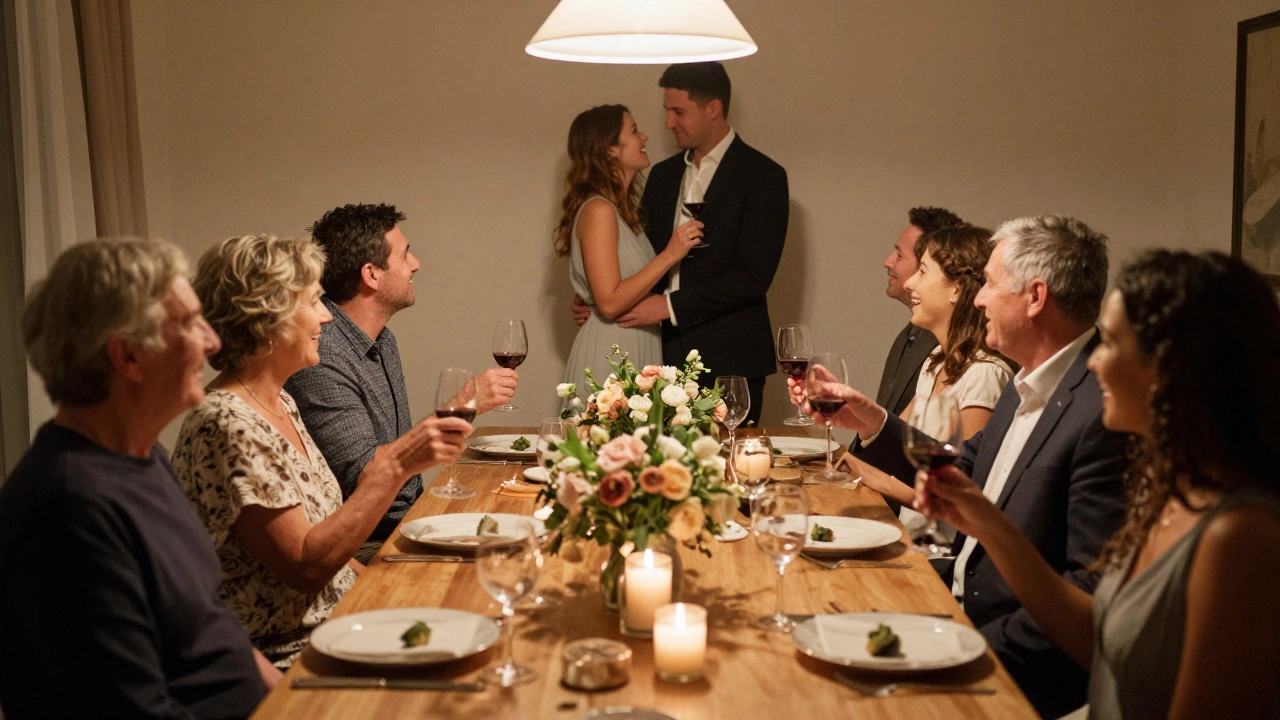
In Western wedding traditions, particularly in North America and Europe, the meal hosted the evening before the wedding is universally called the Rehearsal Dinner a celebratory meal hosted after the wedding ceremony rehearsal.. This isn’t just a random get-together; it has a specific function. Earlier in the day, usually around 4:00 or 5:00 PM, the wedding party (bridesmaids, groomsmen, parents, and sometimes readers or ushers) gathers to practice the processional, recessional, and any other logistical moves for the next day’s ceremony.
Once that dry run is over, everyone stays put for dinner. Traditionally, the groom’s parents host this event, though modern couples often pay for it themselves or split costs with both sets of parents. The guest list is intimate: immediate family, the wedding party, and their plus-ones. It’s not the time to invite the entire extended clan unless you want to spend a small fortune on catering.
Why does this matter for your wedding photography? Because the rehearsal dinner is often the last chance to capture candid, low-pressure shots of the couple with their inner circle before the chaos of the wedding day begins. Many photographers include a few hours of coverage here, capturing speeches, laughter, and the genuine relief of knowing the hard part is almost done.
Cultural Variations: When the Name Changes
While "rehearsal dinner" covers a lot of ground, it doesn’t cover everything. If you are coming from an Indian, Asian, or Middle Eastern background, the pre-wedding timeline looks very different. In many South Asian weddings, the main wedding ceremony happens over several days. The dinner the night before might be part of a larger sequence of events.
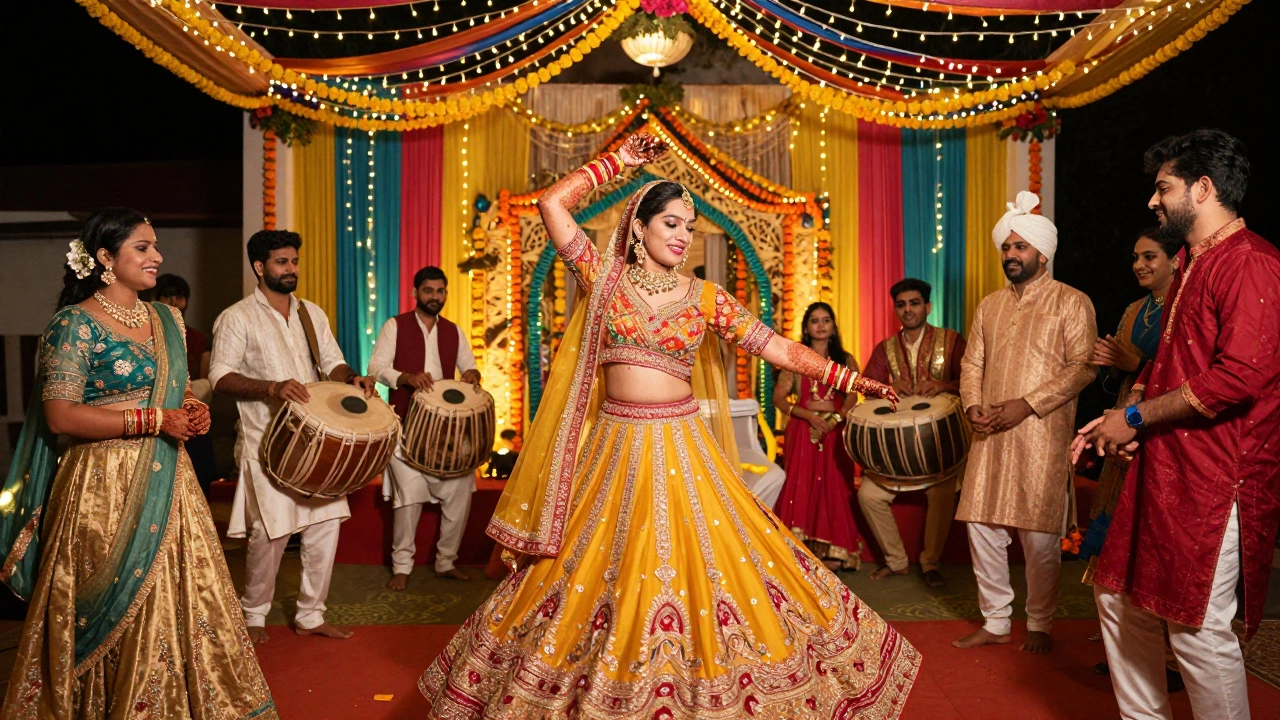
For example, in Hindu weddings, the night before the main ceremony is often marked by the Sangeet a musical celebration involving singing and dancing. or the Mehndi ceremony where henna is applied to the bride's hands.. These aren’t strictly "dinners" in the Western sense; they are parties with food attached. The Sangeet, in particular, has become so popular globally that many non-Indian couples adopt it as a fun, high-energy alternative to the staid rehearsal dinner. Here, the focus is on performance and dance, not practicing walking down the aisle.
In Jewish traditions, the Friday night before the wedding is Shabbat. The couple often hosts a Shabbat Dinner a traditional Sabbath meal celebrating the union. which serves a similar social function to the rehearsal dinner but carries deep religious significance. It’s a time for blessing the couple, not for running through logistics.
Knowing the cultural context helps you decide what to call your invitation. If you call it a "Rehearsal Dinner" but plan a Sangeet-style dance party, guests might show up in black-tie attire instead of comfortable clothes for dancing. Clarity is key.
Rehearsal Dinner vs. Engagement Party: Don't Mix Them Up
A common point of confusion is mixing up the rehearsal dinner with the engagement party. They happen at opposite ends of the wedding timeline.
- Engagement Party: Happens shortly after the proposal. It’s a broad announcement to friends and family that you’re getting married. The guest list is huge, and the vibe is celebratory and loose.
- Rehearsal Dinner: Happens the night before the wedding. The guest list is small (usually under 50 people). The vibe is grateful and reflective.
Some couples try to combine these, hosting a large engagement party that doubles as the rehearsal dinner. This is risky. Your out-of-town relatives who flew in for the wedding might miss the engagement party if it happened three months prior. Conversely, inviting 200 people to the night-before dinner creates a logistical nightmare for seating and billing. Stick to the traditional separation unless you have a massive venue and budget.
Planning the Perfect Pre-Wedding Meal
So, you’ve decided on a rehearsal dinner. Now what? Here is how to make it memorable without stressing yourself out.
1. Choose the Right Venue
You don’t need a ballroom. Some of the best rehearsal dinners happen in private dining rooms at favorite restaurants, backyard BBQs, or even picnic setups in local parks. The goal is comfort. If you’re doing a formal wedding, a slightly more dressed-up dinner makes sense. If your wedding is casual, lean into that. A taco bar or pizza station can be just as special as a five-course meal if the company is good.
2. Keep the Guest List Tight
This is the golden rule. Only invite people who are actually participating in the wedding ceremony or are immediate family. If you start inviting cousins, college friends, and coworkers, the bill explodes quickly. A good heuristic: If they weren’t walking down the aisle or standing near the altar, they probably shouldn’t be at the rehearsal dinner.
3. Toasts and Speeches
Unlike the reception, where speeches are scheduled, rehearsal dinner toasts are often spontaneous. However, it’s helpful to designate one or two people (like the best man or maid of honor) to prepare a short speech. Keep it under three minutes. The night before the wedding is about relaxation, not a marathon of storytelling.
4. Capture the Moments
This ties back to your Pre Wedding Photography strategy for documenting the journey.. While you likely already did your main photo shoot weeks ago, the rehearsal dinner offers unique content. Ask your photographer to stay for an hour. Capture the clinking glasses, the hugs between parents, and the candid smiles. These images often turn out to be some of the favorites because they are unposed and emotional.
Budgeting for the Night Before
How much should you spend? According to recent wedding industry reports, the average cost per person for a rehearsal dinner ranges from $50 to $150, depending on location and menu. For a group of 40 people, that’s $2,000 to $6,000. Compare this to the wedding reception, which might cost $100-$200 per person for 150 guests ($15,000-$30,000).
To save money:
- Skip alcohol-heavy open bars. Offer beer, wine, and one signature cocktail.
- Choose a lunch instead of dinner. A post-rehearsal brunch is cheaper and feels lighter.
- Use a restaurant that offers a set menu rather than à la carte ordering.
Common Mistakes to Avoid
Even seasoned planners slip up here. Here are three pitfalls to watch out for:
- Over-scheduling: Don’t plan the rehearsal dinner too close to bedtime. Guests need sleep. Start at 6:00 PM, end by 9:00 PM.
- Ignoring Dietary Restrictions: Since the guest list is small, you can easily accommodate vegan, gluten-free, or kosher needs. Make sure the venue knows in advance.
- Forgetting Gifts: It’s customary for the hosts to give small gifts to the wedding party members as a thank-you for their support. A bottle of wine, a personalized coaster, or a handwritten note goes a long way.
Conclusion: It’s About Connection
Whether you call it a rehearsal dinner, a Sangeet, or a Shabbat meal, the core purpose remains the same: to gather the people who matter most and celebrate the transition into marriage. It’s a bridge between the single life and the married life. By understanding the tradition behind the name, you can create an event that feels authentic to you and your partner, rather than just checking a box on a wedding planner’s checklist.
Who traditionally pays for the rehearsal dinner?
Traditionally, the groom's parents host and pay for the rehearsal dinner. However, modern etiquette allows for flexibility. Many couples pay for it themselves, or both sets of parents split the cost. It ultimately depends on your family dynamics and financial situation.
Is a rehearsal dinner mandatory?
No, it is not mandatory. If you are having a very small wedding or live far from your wedding party, you might skip it. However, it is highly recommended as a way to thank your wedding party and relax before the big day.
Can I hold the rehearsal dinner on a different day?
Yes. If the rehearsal happens on a Tuesday due to venue availability, you can still host the dinner that night. Alternatively, some couples host a "welcome dinner" the night before the rehearsal if most guests arrive early. Just communicate clearly on the invitations.
What is the difference between a welcome dinner and a rehearsal dinner?
A welcome dinner is typically held when guests first arrive, often a day or two before the wedding, and includes all out-of-town guests. A rehearsal dinner is specifically for the wedding party and immediate family after the ceremony practice. They serve different social functions.
Should I take photos during the rehearsal dinner?
Absolutely. While your main Pre Wedding Photography session captures posed portraits, the rehearsal dinner offers candid, emotional moments. Hiring your photographer for 1-2 extra hours ensures you have memories of speeches, toasts, and interactions with your closest loved ones.