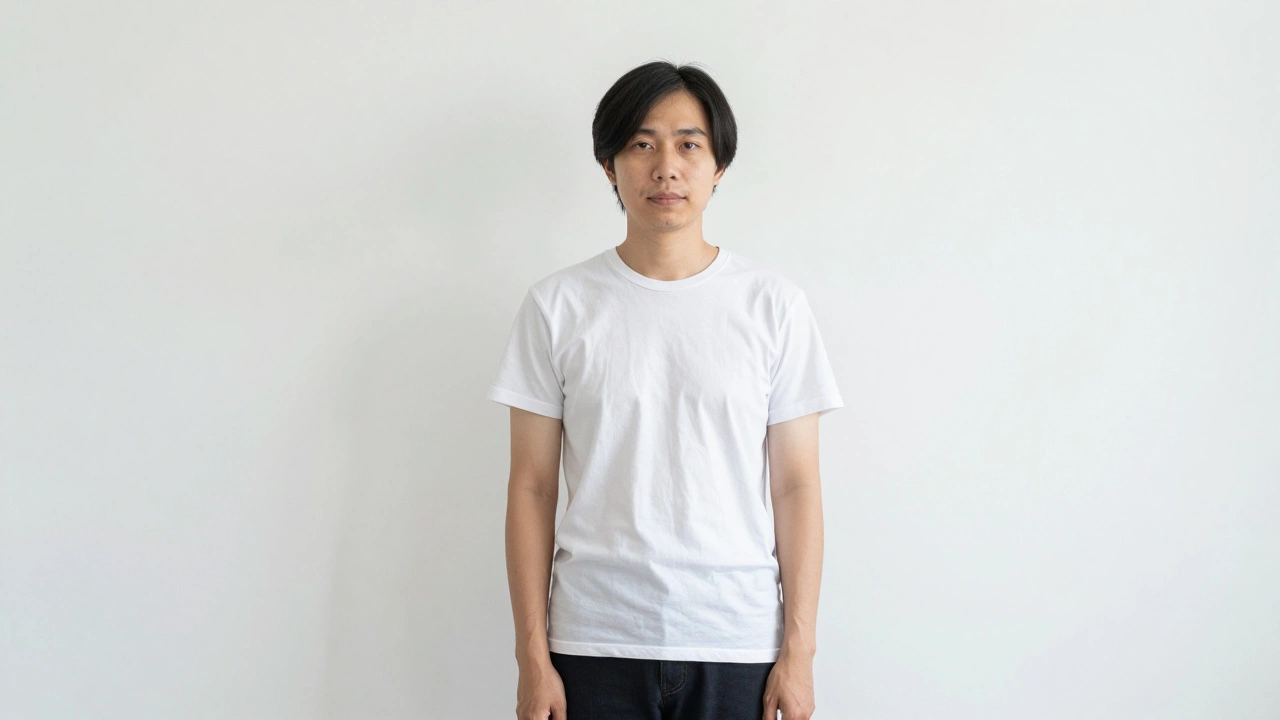
What Cannot Be in a Passport Photo? Rules You Can't Ignore
Learn exactly what’s not allowed in a passport photo-from hats and glasses to shadows and filters. Avoid common mistakes that cause rejections and ensure your photo passes on the first try.
When you need a passport photo background, the plain, light-colored backdrop required for official government ID photos. Also known as passport photo backdrop, it’s not just a white wall — it’s a strict rule enforced by the Indian government and global passport authorities. A wrong background is the #1 reason passport photos get rejected, even if your face, lighting, and pose are perfect. You can’t just take a selfie in front of your living room wall and expect it to work. The background must be uniform, light-colored, and free of shadows, patterns, or distractions. In India, the standard is a plain white or off-white background, no exceptions.
Many people think any light color will do — but that’s where things go wrong. A pale blue, beige, or even a slightly yellowish wall can trigger rejection. The rules are precise: the background must contrast sharply with your face and hair. Dark hair? White background. Light hair? Still white background. No shadows behind your head. No furniture, windows, or other people visible. Even a faint gray smudge from a dirty wall can cause your application to be delayed. This isn’t about style — it’s about machine readability. Passport offices use automated systems to verify photos, and those systems are trained to spot non-compliant backgrounds instantly.
Related to this are passport photo size, the exact dimensions required for Indian passport applications — 35mm x 45mm — and passport photo guidelines, the full set of rules covering expression, eyewear, head covering, and lighting. These all work together. A perfect background means nothing if your head is too small, your eyes are closed, or you’re wearing sunglasses. And if you’re using a photo editing app to change the background, you need to know which tools actually work without triggering fraud detection. Free apps like Photopea or Snapseed can help, but only if you follow the exact specs.
Indian passport applications don’t accept photos taken at home unless they meet every single technical requirement. Even professional studios sometimes mess it up — they use colored backdrops for portraits and forget to switch to white for passports. That’s why you’ll find so many posts about why passport photos get rejected. It’s not just about looking good — it’s about meeting a technical standard that leaves no room for creativity.
Below, you’ll find real guides from people who’ve been through the process — from fixing rejected photos to choosing the right studio in Mumbai, understanding why your online photo tool failed, and how to print your passport photo at home without losing quality. These aren’t theory pieces. They’re practical fixes based on actual rejections and successful submissions in India. No fluff. No guesswork. Just what works.
Learn exactly what’s not allowed in a passport photo-from hats and glasses to shadows and filters. Avoid common mistakes that cause rejections and ensure your photo passes on the first try.
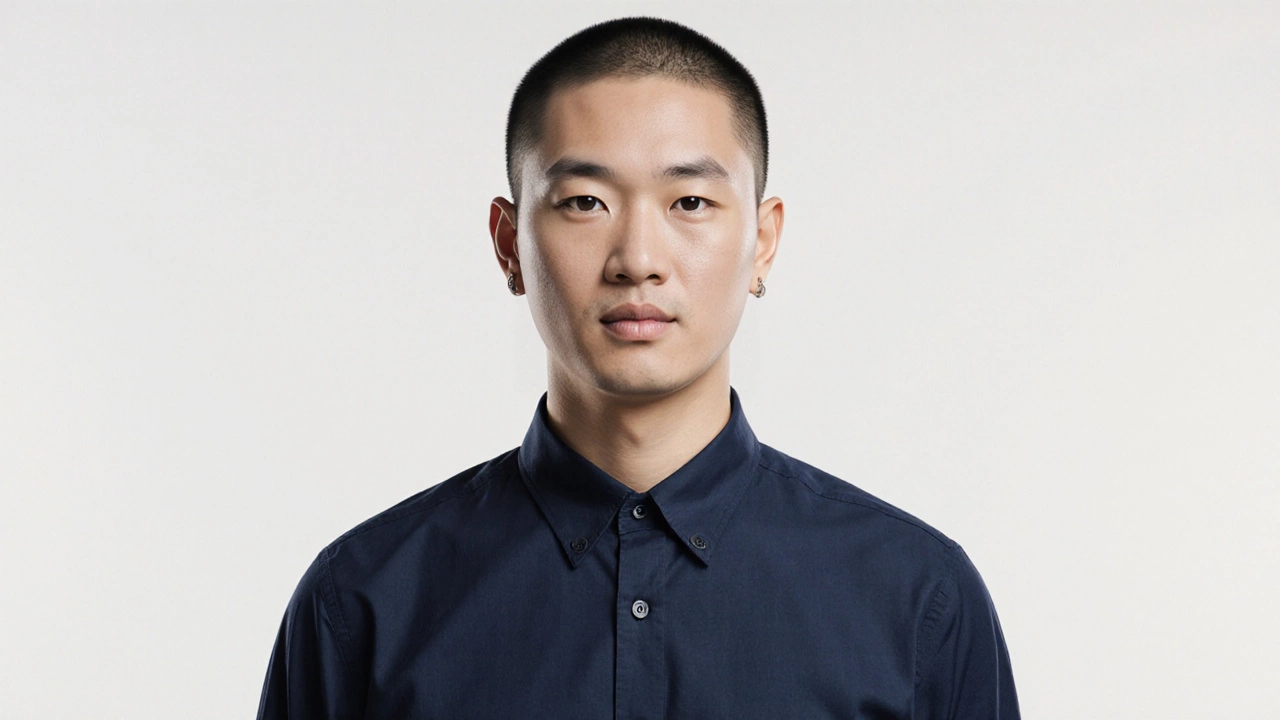
Learn the best colors to wear for a passport photo in 2025 to avoid rejection. Dark blue, black, and dark gray are safest. Avoid white, red, and patterns. Follow UK Home Office rules for online and studio photos.